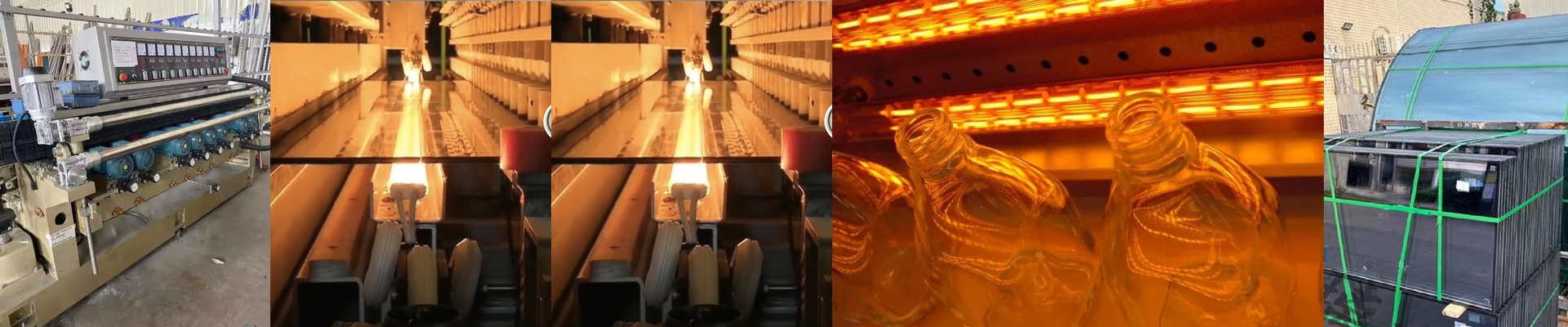
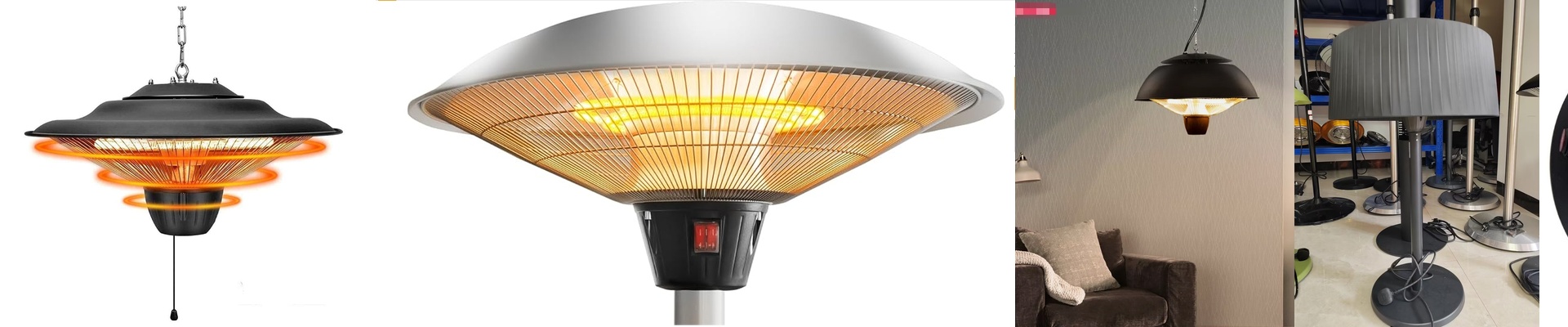
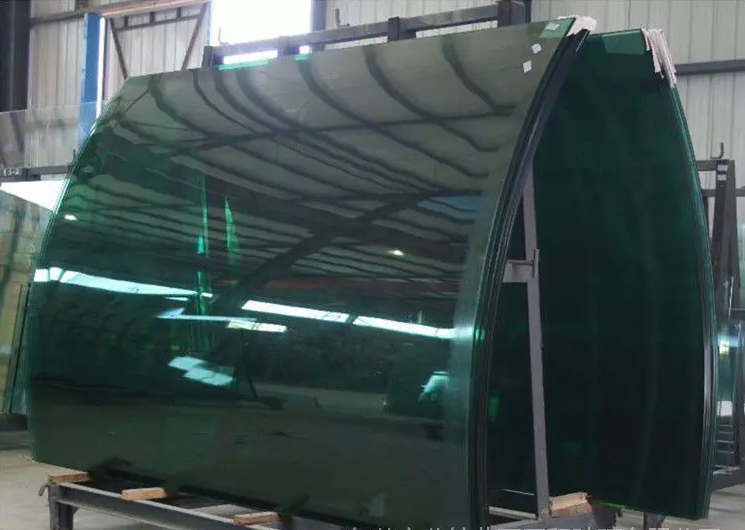
On the insulating glass line, the sealant cure window is always the bottleneck. With convection ovens, you’re heating air first and hoping the heat finds the silicone. The lag shows up as missed schedules and adhesion risk by the time the glass hits the packing station. We built an infrared curing module to put the energy straight into the sealant, not the factory air.
What matters, technically
The unit runs short-wave infrared emitters in a quartz envelope, tuned so the silicone sealant absorbs strongly. Peak emission is matched to the sealant chemistry, so the heat goes where it’s needed—not into the frame or belt. The thermal profile stays focused, keeping the glass surface temperature under control and limiting thermal stress while the sealant crosslinks. Power density is high enough for a fast ramp-up, but the duty cycle stays manageable because the system heats on demand, not continuously. The payoff is a shorter curing zone that still delivers consistent adhesion and enough green strength for immediate handling.
Why it works in production
The upside is simple. Faster curing shortens the IG assembly cycle, so you can run more units per shift without adding floor space. Energy use drops because infrared delivers heat directly, avoiding losses through blowers, ductwork, and big oven walls. You also get a tighter, more repeatable cure across the bead, which cuts rejects from adhesion failure and edge lift. The module drops in above the conveyor, so you keep your existing layout and still tighten takt time.
Here are the realities to keep in mind
Infrared is line-of-sight, so bead geometry and shielding matter. Shadowed beads and deep rebates will show cure variation unless you match the beam pattern to the profile. Expect a short setup window to dial in emitter height, power, and conveyor speed against your specific sealant and glass thickness. Once it’s set, the process is stable—but it won’t cover up a poor bead application. Match the optics to the part, and the output will follow.