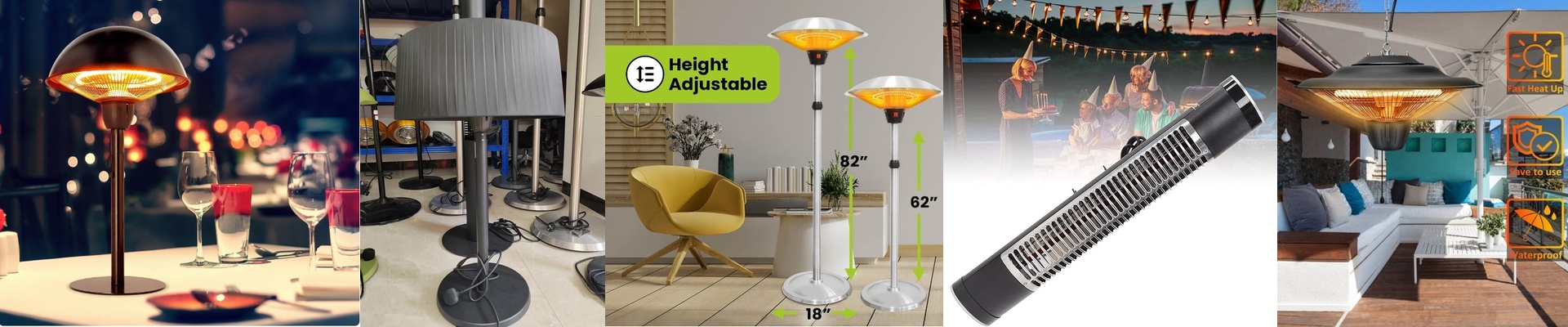
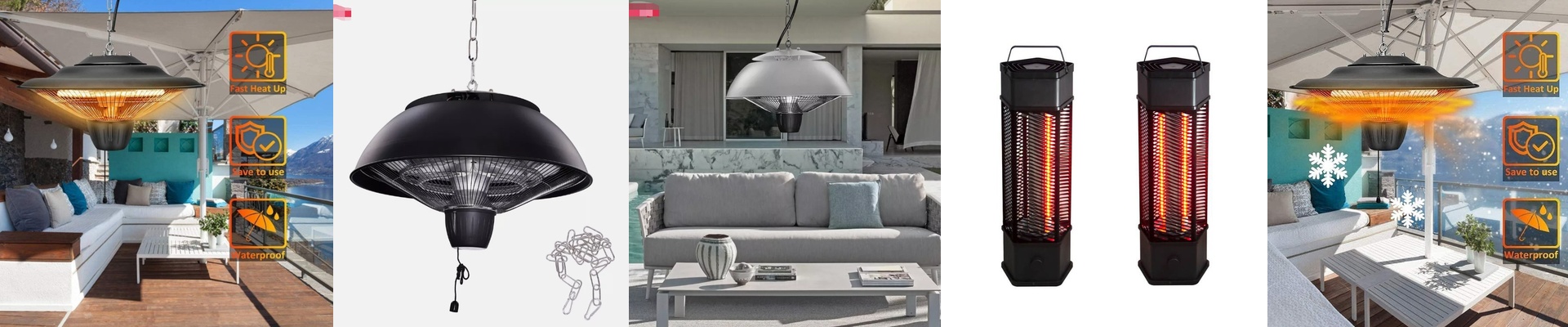
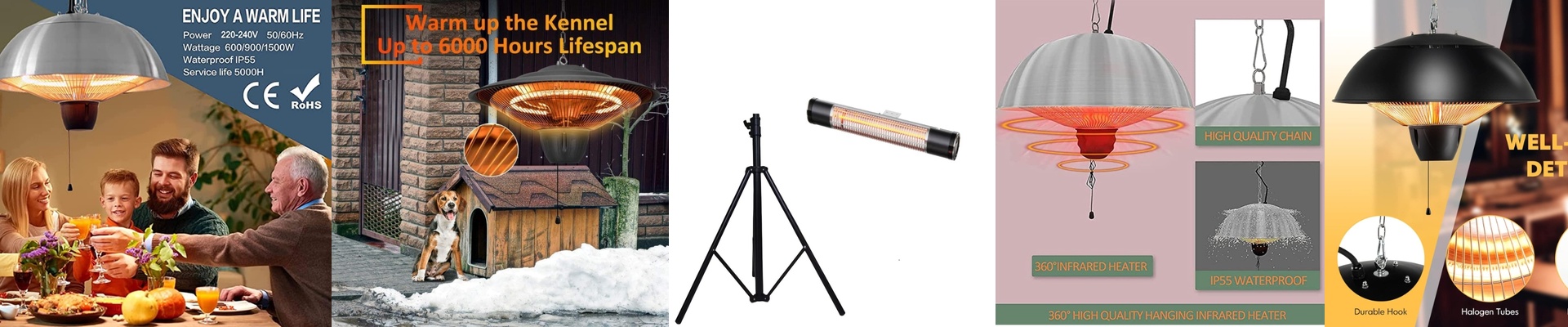
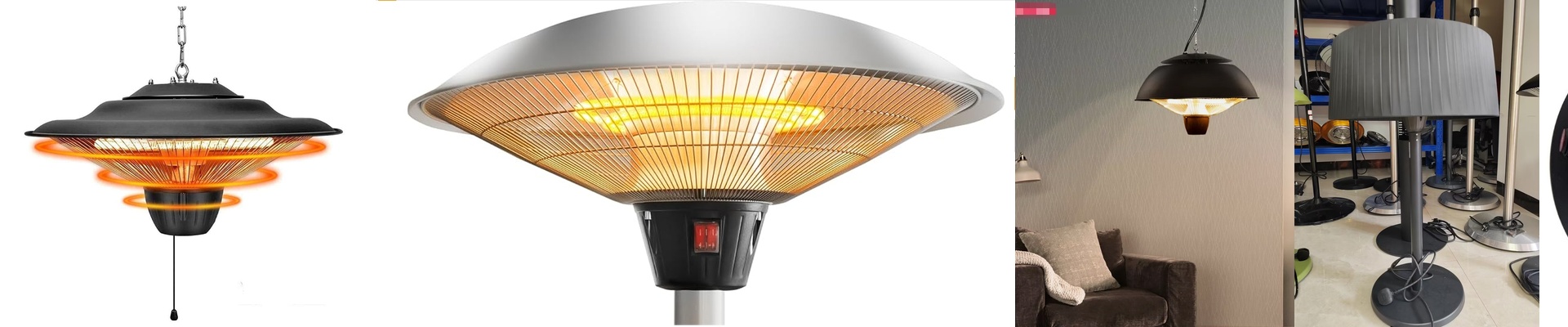
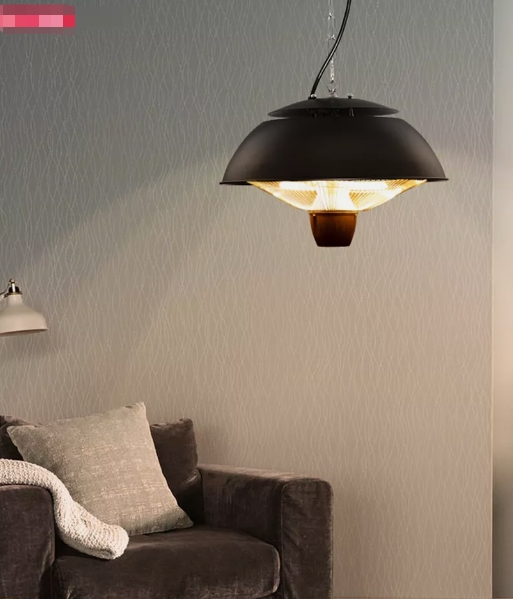
In a spa, comfort has to land the second the client lies down. If the air is cold, muscles tense up, breathing stays shallow, and the whole session loses its flow. A freestanding infrared heater is the straightforward fix—radiant warmth that supports the treatment, without getting in the way. What’s actually going on under the hood We lean on short-wave infrared lamps in a freestanding package because they heat people and surfaces directly, not the air. The payoff is fast, focused warmth that feels like sunlight on the skin. Most units run on 220–240V, pull 1.5–2.5kW, and hit full output in seconds. A quartz tube shields the element, and the reflector keeps the energy aimed where you need it. For safety, a stable base plus tip-over protection cuts power if the unit gets knocked. Why this approach fits spa work This is exactly the kind of heat that supports what you do. Radiant warmth hits the body at the surface, helping clients settle in quickly and stay comfortable through longer sessions. Because it works by line-of-sight, there’s no air blowing around—so oils, lotions, and the quiet in the room stay undisturbed. The heat comes up fast, too, so you can switch it on between clients and the space feels ready on schedule, without the air feeling overheated. The practical details that matter Position the heater so it has a clear “sightline” to the treatment area, and keep clearances open—typically at least 0.5m on the sides and above. For steady comfort and predictable run time, pair it with a thermostat or timer. In humid spaces, pick a unit with the right IP rating and keep the power connection dry. The lamp will run about 3,000–5,000 hours; when it starts to dim, a replacement lamp brings the output back.