On the line, glass doesn’t forgive uneven heat. A cold spot during tempering or bending sets up thermal stress that shows up as optical distortion, edge cracks, or a full fracture. You’re chasing consistent yield, but a lot of heaters fight you with hot bands and cold corners.
What matters, technically
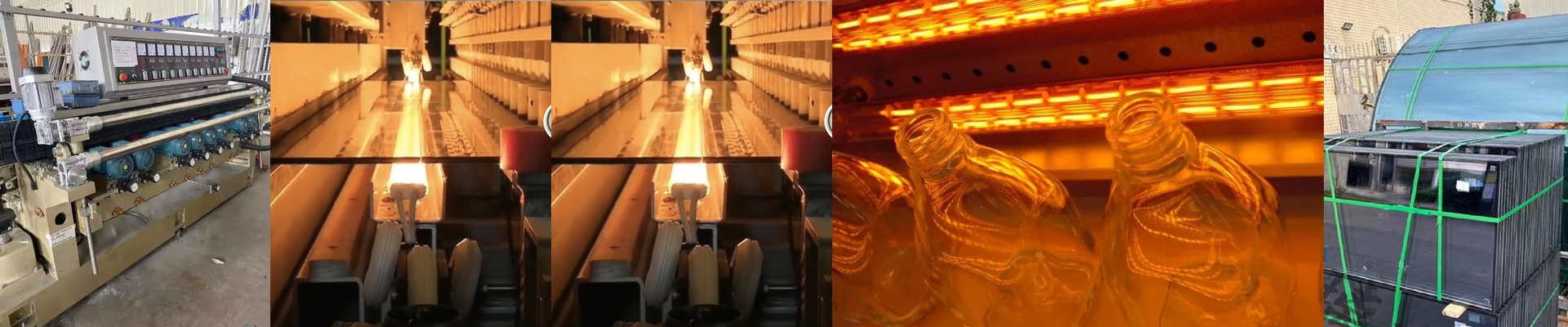
Quartz halogen emitter bulbs throw short-wave infrared with fast response and tight control. The quartz envelope takes thermal shock in stride and keeps output stable, cycle after cycle. Halogen regeneration protects the filament, so output holds steady over thousands of hours. The upshot is a predictable heat profile you can trust shift after shift. We shape the emitter geometry and filament layout to spread the thermal field evenly across the glass. That uniform heating cuts down hot spots and limits differential expansion. In practice, you see fewer rejects from warp, roll-in, and optical defects. Output stays consistent, and the response is quick enough to keep pace with high-throughput lines without waiting around for soak.
Why it fits the work we do
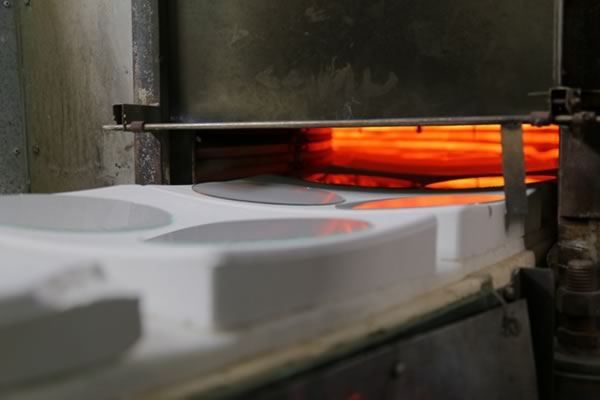
In glass processing—tempering, bending, coating drying, and lamination preheat—uniform temperature is the difference between first-pass yield and scrap. Quartz halogen emitters heat the surface fast while keeping the core and edges closer in temperature, which lowers the risk of breakage during quench and shaping. The fast ramp shortens cycle time without giving up control. Energy use drops because the emitter heats on demand and cools quickly, trimming idle losses. For EVA and SGP lamination, consistent surface temperature improves adhesion and cuts down bubbles. In insulating glass sealing, even heating helps maintain edge integrity and a consistent sealant cure.
The practical details
These bulbs run hot, and output depends on reflector alignment and clean quartz. Keep the housing free of dust and verify mounting so you don’t get localized shadowing. Match voltage and connector type to your equipment, and confirm clearances so you don’t overheat nearby components. Expect peak output in the short-wave band—ideal for surface heating—but plan for proper shielding and safe-distance practices. If your line needs stable, even heat to protect glass geometry and cut rejects, quartz halogen emitter bulbs are a practical, field-proven choice.