Introduction
Here’s the thing about most room heaters: they feel like they’re always warming up, but never quite getting there. We built this one differently. We leaned into a pretty smart idea—low thermal inertia. What that really means for you? It fires up almost instantly and shuts down the second you don’t need it. No lag, no waiting around. And if you’re running a smart home, that kind of responsiveness is exactly what you need to keep things comfortable without wasting a single watt.
The Speed Secret, Straight From the Specs
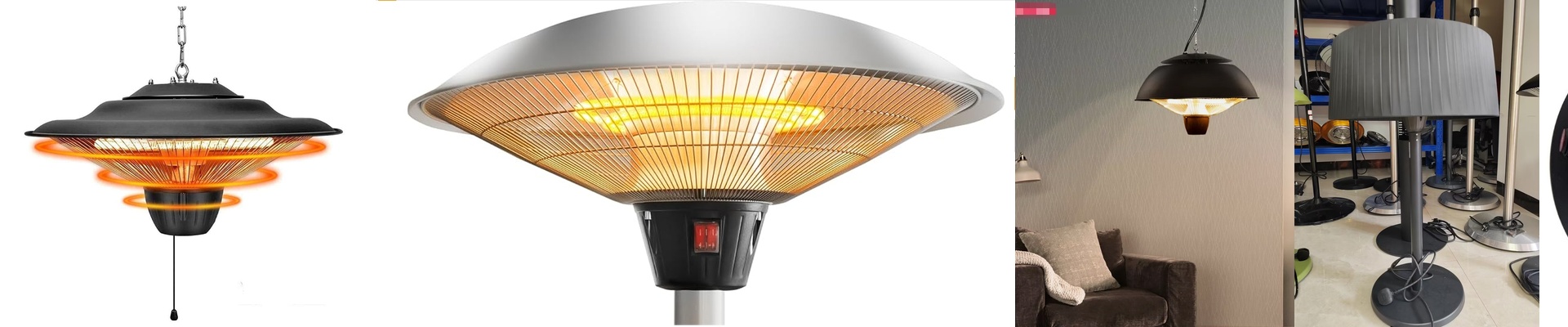
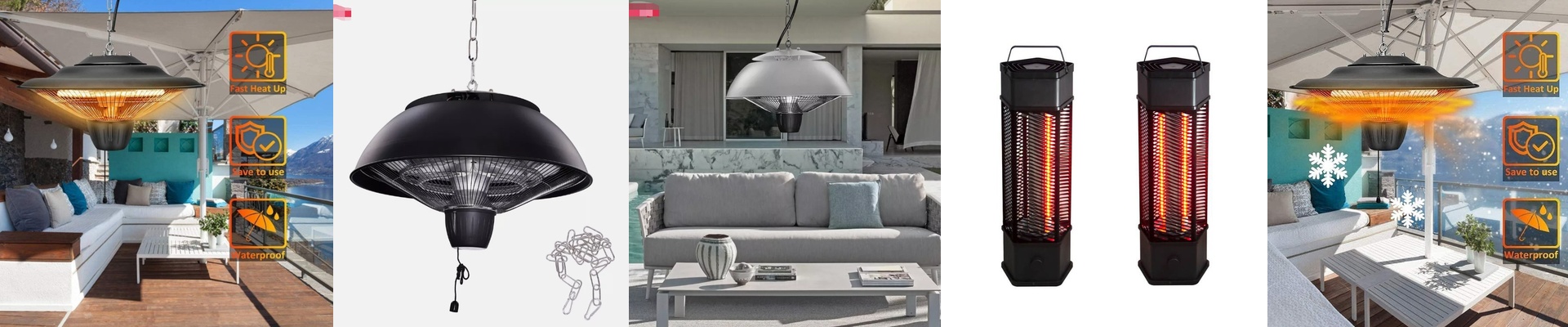
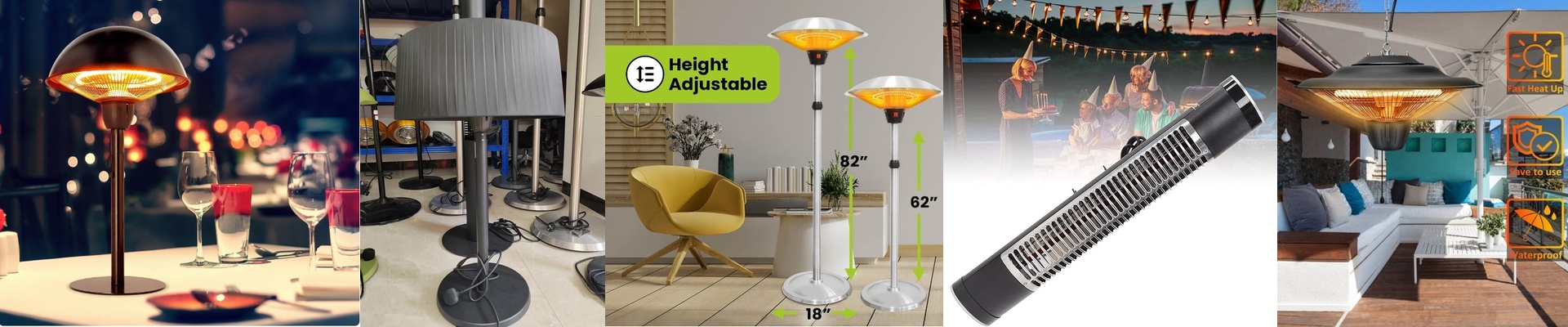
At the heart of this heater is a shortwave infrared tube, designed from the ground up to cycle on and off at lightning speed. It runs on standard household power, pulling just the right amount for heating a single room. And the design is intentionally slim—you can mount it on the wall and basically forget it’s there. That small footprint isn’t just about looks, either. It focuses the heat into a direct beam, so you’re warming the people and objects that need it, not just the empty air in the room.
The Design Behind the Instant Feel
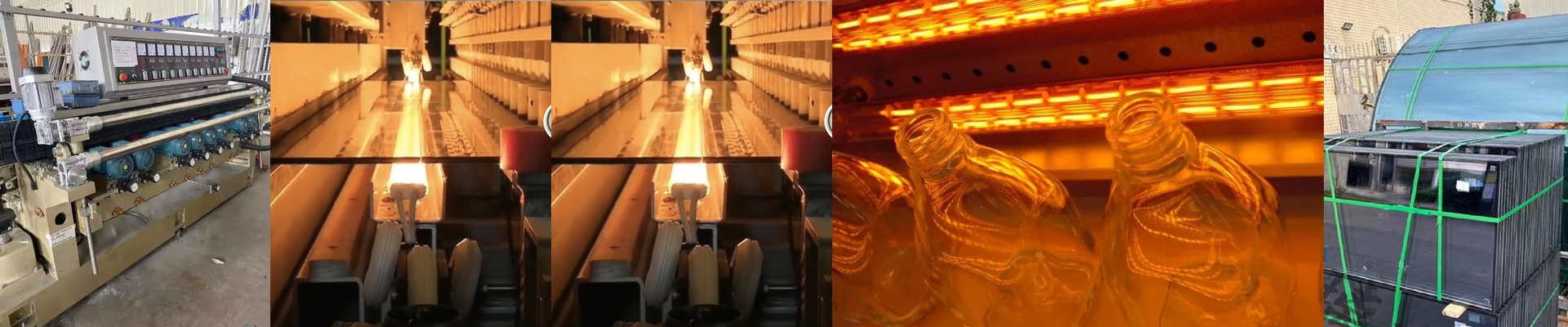
So how do you get that “light switch” response? We use a quartz envelope wrapped around a halogen filament. Together, they blast out high-intensity shortwave radiation that warms you directly—like standing in a sunbeam. You feel the warmth, not the air getting warm. Quartz is tough enough to handle the constant shock of rapid on/off cycling, which a regular filament just couldn’t survive. And we paired it with an R7s connector, which gives a rock-solid electrical connection that won’t falter, even when the heat is expanding and contracting. The payoff? It turns on instantly, shuts off instantly. No waiting, no leftover heat bleeding away.
Smart Savings, Built Into the Loop
In a smart home setup, this heater acts like a precision tool. Your control system can tell it to cycle on for just the right moment—only when someone’s in the room and the temperature dips below your set point. Traditional heaters can’t do that. Their slow response forces them to run continuously just to keep the room from feeling cold, and that’s a lot of wasted energy. Now, there is a small trade-off: because this is direct-radiant heat, it works best when you’re in the line of sight. Placement matters. But for targeted zone heating, the savings are real. You’re not wasting power heating the heater itself. You’re only drawing energy when that warmth is actually landing on you.