

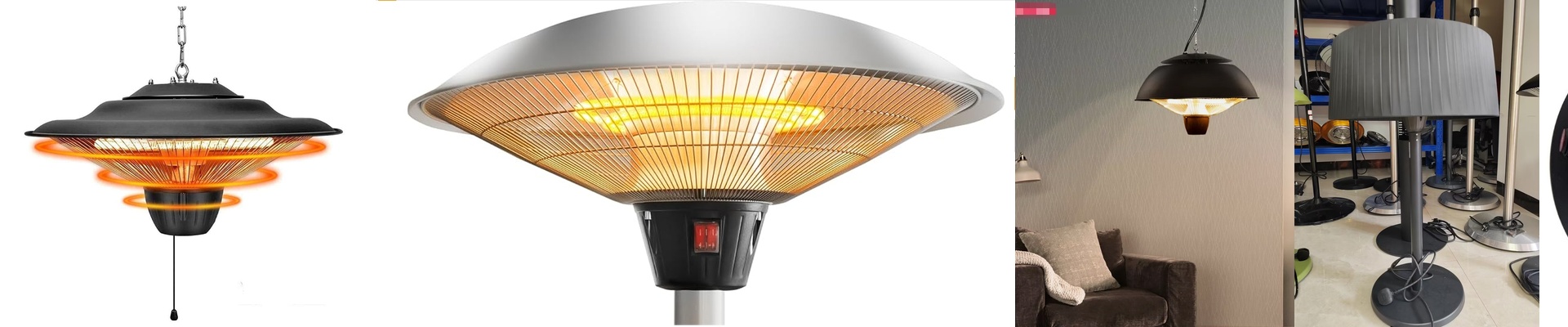


What actually makes a 1500W heater last?
If you’re putting a 1500W infrared heater in a gazebo or a bathroom, you can’t just look at the wattage and call it a day. Power is great, but it doesn’t mean anything if the unit dies the first time it rains or gets steamy. Most of these heaters fail for the same two reasons: leaky seals or the heating element just wearing out.
The deal with 1500W
When you’re sitting in a gazebo with a breeze blowing through, you need a lot of heat density to actually feel warm. That’s why we use short-wave infrared. It doesn’t waste time trying to heat the air—it hits you instantly. But here’s the catch. That kind of power puts a massive amount of stress on the quartz glass tube. If the seal isn’t perfect, oxygen sneaks in. Once that happens, the filament burns out. Fast. We’re talking weeks, not years.
Why we obsess over “Damp-Heat” tests
We put every batch of heaters through what we call damp-heat aging. It sounds fancy, but it’s basically just torture. We blast them with high humidity and swing the temperatures back and forth to mimic years of steam and rain. We’re looking for the ugly stuff: rusted electrical contacts or insulation that’s starting to give up. It’s better for the heater to fail in our lab than on your ceiling. We make sure the electricity stays stable even when the air is totally saturated with moisture.
A few things to keep in mind
A 1500W heater puts out some serious heat in a small area. It’s great for the outdoors, but you’ve got to be smart about where you mount it. If you’re tucking these into a tight gazebo ceiling, give them some breathing room. They’re built to handle the weather, but they still need a bit of airflow so the housing doesn’t overheat. Simple as that.