Basement Electric Heaters: The Warmth You Can Count On
You know that feeling when you step into your basement and it’s just… damp and chilly? We built these heaters to fix that. For spaces that need steady, dry warmth—no excuses—our units are made to handle the kind of conditions that make other heaters throw in the towel. They’re tough on the challenges of below-grade spaces, and they keep things simple. No over-the-top installation hassles. Just reliable heat, when you need it. If you’re the one responsible for keeping a basement comfortable, this means fewer late-night service calls and performance you can trust—even when the space is only used now and then.
Power, Voltage, and Specs—Kept Straightforward
We set these heaters up to work with standard voltage, so they fit right into most commercial and industrial electrical systems. The wattage is sized for basements, giving you a quick warm-up that sticks around. And because space is often tight down there, the footprint is compact. That makes it easy to plan for snug mechanical rooms or retrofit an existing spot without a major rework. The wiring stays simple, and you won’t need to beef up your panel just to make it happen.
Built Tough, Inside and Out
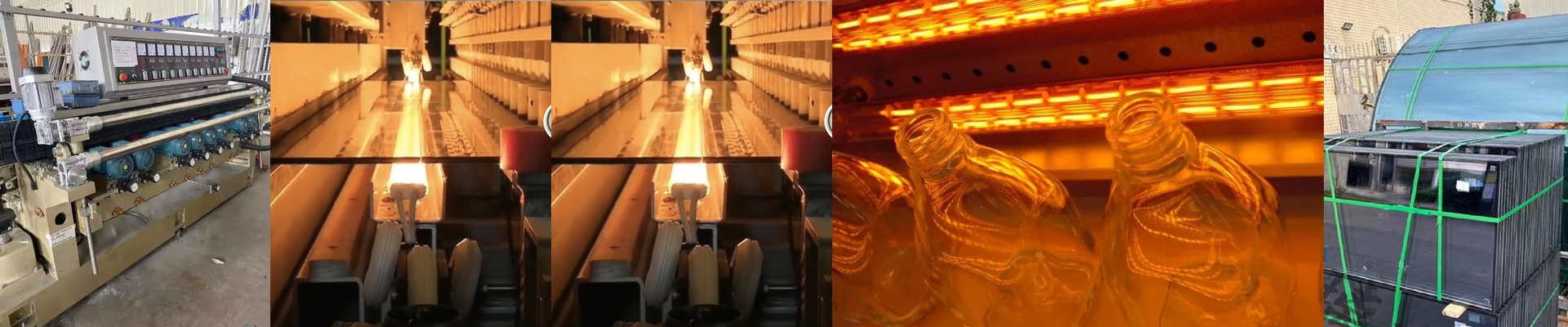
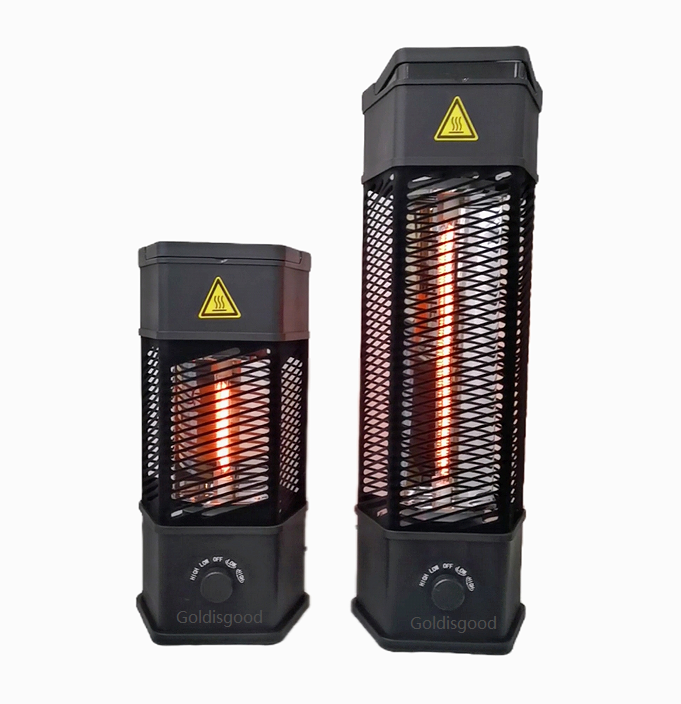
Here’s the part that matters in a damp basement: the heating element. We use a quartz-based core with a protective coating that fights off moisture and handles thermal stress. That coating helps prevent hot spots and keeps performance steady over time—exactly what you need when humidity is trying to wreck everything. The terminals are designed for quick, solid connections, so you can wire it up fast and feel confident it’ll stay put, even when things heat up and cool down again.
Real-World Performance, Without the Drama
In actual basement use, these heaters lay down even warmth with minimal fuss. They’re built for continuous duty, but heat density means you still need to keep airflow and clearance in check—just enough room to breathe, so the components stay in good shape. We also tightened up our supply chain to cut out the extra layers that drive costs up. That lets us pass the savings on to you, while keeping the same solid engineering at the core. So you get a price that makes sense, without giving up the performance you need.