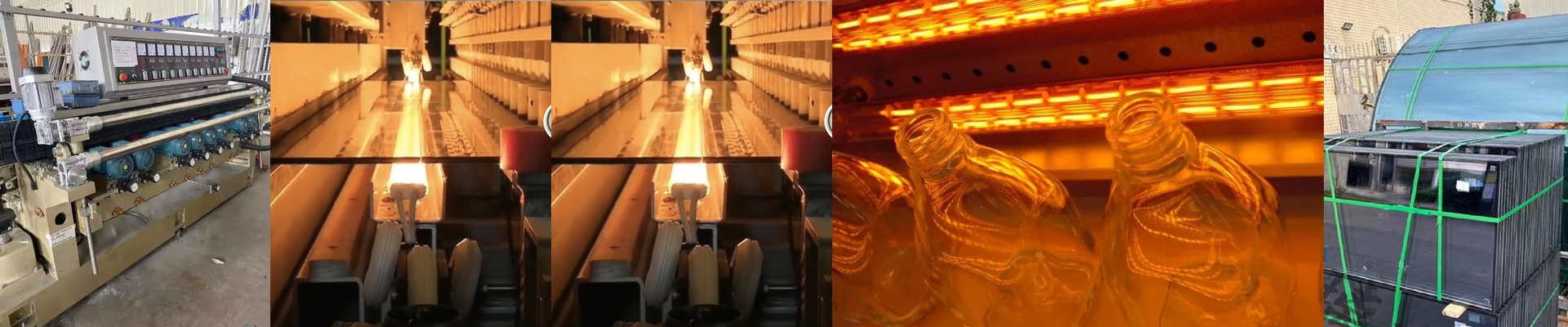
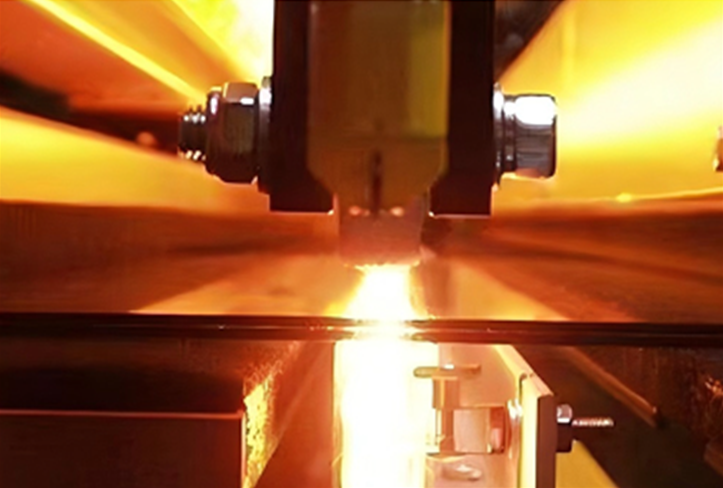
On the line, one hot spot or uneven heat across the glass will wreck a tempering or bending run in a heartbeat. When you need to kick off controlled breaking without thermal stress fractures, the thermal field has to be even. That’s the principle we built these infrared lamps around. What matters under the hood We run short-wave infrared with a quartz envelope—fast response, high power density. Ramp-up is quick because we don’t rely on convection. Emitter geometry and reflector layout are tuned to spread heat uniformly across the target zone, so temperature gradients that drive warping and optical distortion stay minimized. Output is matched to industrial duty cycles, with stable spectral characteristics for consistent absorption across float, coated, and laminated glass. The lamp drops into standard fixtures, and we size power density to the thickness and cycle time you’re running. Why it holds up in practice In glass processing, uniform heating keeps the sheet flat and stable during the breaking step, so you avoid edge cracking and surface marks. Fast response shortens dwell time, which helps you keep throughput up on tempering and bending lines without overheating adjacent zones. Energy use drops because heat goes straight into the glass, not the air. Cycle consistency improves because the thermal profile repeats, shot after shot. A few shop-floor details that make the difference Mounting alignment matters. Even a small gap or a reflector that’s off-target will create a hot spot. Check clearance to the glass, and keep emitter and reflector surfaces clean—coatings and dust change emissivity and throw uniformity off. With thick laminates or low-emissivity coatings, confirm wavelength and power match the absorption curve. And plan for thermal expansion of fixtures at high temperature so the heat pattern stays stable.
روی خط، یک نقطه داغ یا گرمای نامتوازن روی شیشه میتواند در یک چشم بههمزدن فرآیند سکوریت یا خمکاری را خراب کند. وقتی نیاز دارید شکستن کنترلشده بدون شکستهای ناشی از تنش حرارتی را شروع کنید، میدان حرارتی باید یکنواخت باشد. این اصلی است که این لامپهای مادون قرمز بر اساس آن ساخته شدهاند. چه چیزهایی زیرپوسته اهمیت دارد ما از مادون قرمز موج کوتاه با پوشش کوارتز استفاده میکنیم—پاسخ سریع و چگالی توان بالا. گرم شدن سریع است چون تکیهگاه ما همرفت نیست. هندسه انتشاردهنده و چیدمان بازتابنده طوری تنظیم شدهاند که حرارت را به طور یکنواخت روی ناحیه هدف پخش کنند، بنابراین گرادیانهای دما که عامل پیچخوردگی و اعوجاج نوری هستند، به حداقل میرسند. خروجی با سیکلهای کاری صنعتی مطابقت دارد و مشخصات طیفی پایداری دارد تا جذب یکنواخت روی شیشههای شناور، پوششدار و لمینیتشده تضمین شود. لامپ درون فیکسچرهای استاندارد قرار میگیرد و چگالی توان متناسب با ضخامت و زمان سیکل کاری که اجرا میکنید، تنظیم میشود. چرا در عمل عملکرد پایدار دارد در فرآوری شیشه، گرمادهی یکنواخت باعث میشود ورقه شیشه در مرحله شکستن صاف و پایدار بماند، بنابراین از ترکهای لبهای و نشانههای سطحی جلوگیری میشود. پاسخ سریع زمان ماندن را کاهش میدهد، که به حفظ نرخ تولید در خطوط سکوریت و خمکاری بدون گرمایش بیش از حد نواحی مجاور کمک میکند. مصرف انرژی کاهش مییابد زیرا حرارت مستقیماً وارد شیشه میشود، نه هوا. تکرارپذیری سیکل بهبود مییابد زیرا پروفیل حرارتی در هر بار تابش تکرار میشود. چند نکته در محیط کارگاه که تفاوت ایجاد میکند همترازی نصب اهمیت دارد. حتی شکاف کوچک یا بازتابندهای که از هدف خارج باشد، نقطه داغ ایجاد میکند. فاصله تا شیشه را بررسی کنید و سطوح انتشاردهنده و بازتابنده را تمیز نگه دارید—پوششها و گرد و غبار باعث تغییر ضریب تابش و یکنواختی پراکندگی میشوند. در مورد لمینیتهای ضخیم یا پوششهای کمتابش، مطمئن شوید طول موج و توان با منحنی جذب منطبق باشد. و برای انبساط حرارتی فیکسچرها در دماهای بالا برنامهریزی کنید تا الگوی حرارتی پایدار باقی بماند.