


Fixing Those Pesky Cold Spots in Your Glassware Kilns
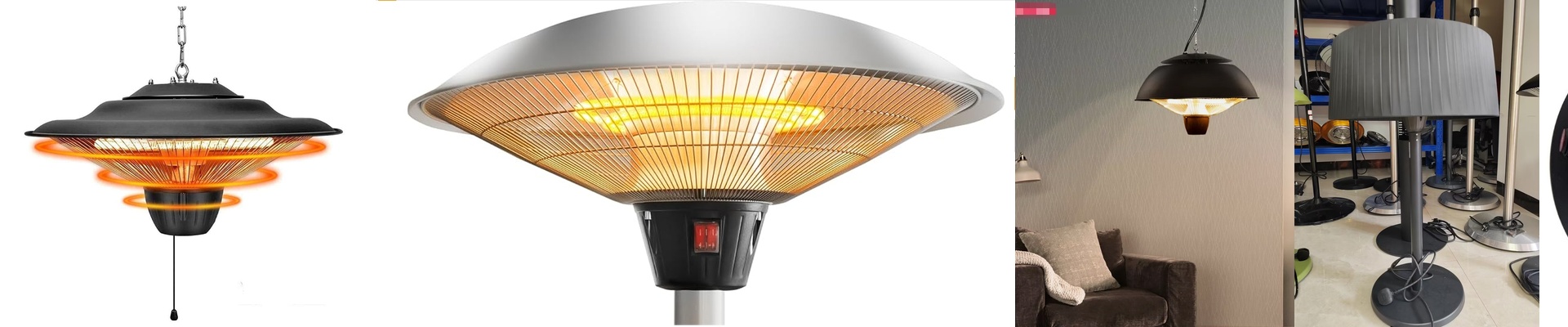
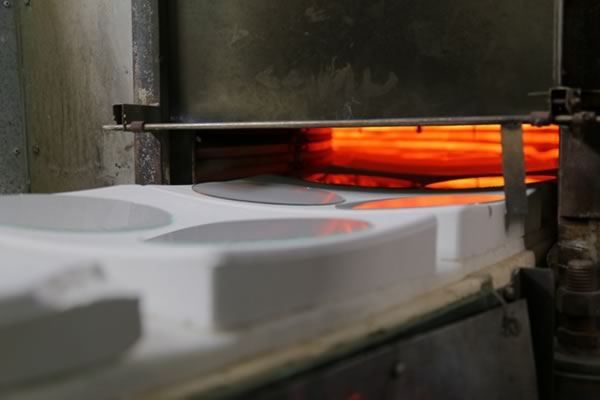
If you’ve spent any time with annealing kilns, you know the frustration of “dead zones.” You pull a piece out, and while most of it looks great, there’s a cold spot right in the center or tucked into a weird curve. It’s a nightmare. The problem is that standard convection heating just pushes air around. Air is lazy; it takes the path of least resistance and usually just flows right past the tight spots of a complex vessel. That’s where medium wave quartz heaters come in. Instead of relying on a breeze, they use radiant energy to punch right through the glass surface. Why medium wave? Think of it as the “Goldilocks” of heat. Short-wave lamps tend to blast the surface too hard, and long-wave heaters just don’t have enough kick. Medium wave hits that sweet spot. It aligns perfectly with how silica glass actually absorbs heat. This means the core of a thick-walled flask gets a deep, steady soak without the outer rim turning into a molten mess. It’s a much more balanced way to work. Getting the coverage right You can’t just throw one heater in there and call it a day. To really kill those dead zones, you need a strategy. We usually set these tubes up in overlapping arrays or curve them to fit the space. By angling the tubes, you can basically aim the heat into the “shadows” where the air usually fails. We use quartz because it can handle the heat shock and lets the IR radiation pass through without any fuss. When you wire them into a tight grid, the whole chamber finally feels uniform. The trade-offs (The “Real World” Stuff) Now, it’s not all magic. These high-wattage tubes pack a punch, which is awesome for getting your temps up fast, but your power supply will feel it. Just a heads-up: make sure your controllers can handle that initial surge when you flip the switch. Also, let’s be honest—quartz is fragile. One wrong move with a loading arm and snap. It’s a heartbreaking sound. To stop that from happening, don’t leave them exposed. Throw some protective cages around them or recess the mounts. It saves you from a lot of headaches during a busy production shift. Once you get the spacing right, your kiln stops being patchy. The glass stays happy, the stress fractures disappear, and you can actually trust your equipment.