Electric Blow Heaters: The Secret to Instant Warmth in Busy Places
We built these electric blow heaters with one mission in mind: getting you warm, right away. Think about the places where people gather and move—your favorite coffee shop, a busy train station. You need heat that kicks on instantly, stays steady, and fits into tight corners without turning your building into a construction site.
The Nitty-Gritty: Power, Voltage, and Size
Here’s the thing about these heaters—they’re compact. We’re talking about a unit that’s roughly 300mm long. That means you can slip it into low-clearance spots without having to rework the whole ceiling layout. We set them up to run on 400V, which packs more punch into a smaller space. More power in a smaller tube equals higher heat density. The payoff? A heater that warms up fast and delivers serious heat without taking up a ton of room.
What’s Inside: Halogen, Quartz, and a Simple Connection
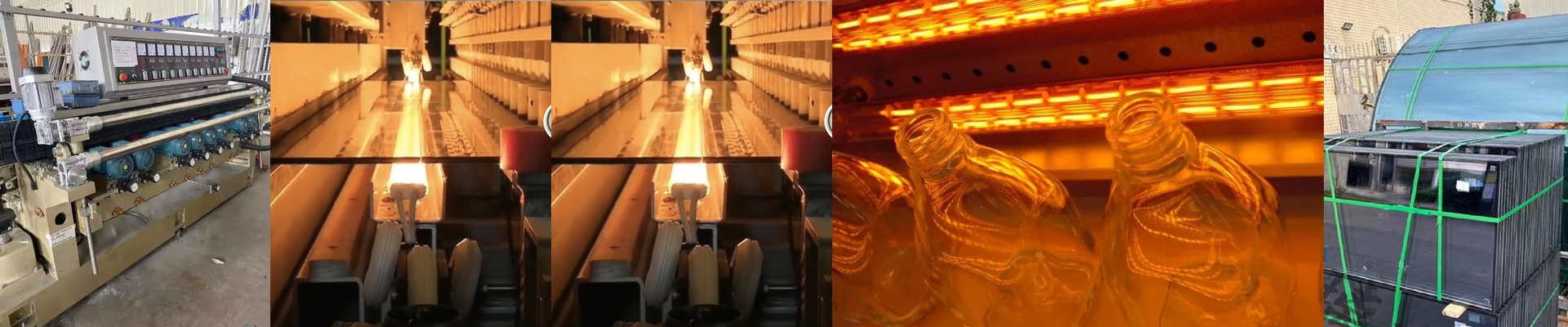
Inside, you’ve got a halogen element housed in a quartz tube. Quartz is tough—it handles those sudden temperature shifts like a champ and keeps everything stable, even when you’re flipping the switch on and off all day long. The halogen inside helps the filament last longer by putting the evaporated material back to work. So the heat output stays consistent over time. No fading. No surprises. And the R7s connector? It’s just a standard, straightforward fit. Wiring is clean and quick, and it drops right into many existing fixtures. Less time fumbling with connections, and fewer mistakes.
Why It Works in the Real World
When you’re outfitting a commercial space or a transit hub, you need heat you can set up fast and then forget about. These heaters give you that. High heat density in a small footprint means you can put the warmth exactly where you need it, without building out big ductwork or making major changes to the structure. The instant response is perfect for places that don’t need heat all the time—entryways, queue lines, seating areas. You get warmth the moment you need it, and you’re not paying to heat an empty room. Now, there’s one thing to keep in mind. Because the heat is concentrated, you want to manage the temperature around it. Plan for proper cooling and airflow so you don’t get heat buildup on nearby surfaces or equipment. A little planning makes all the difference.