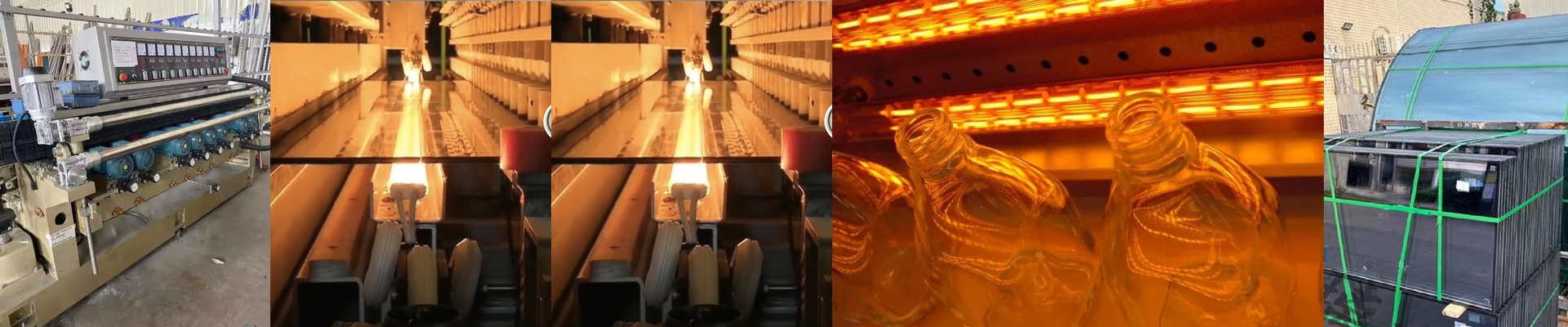
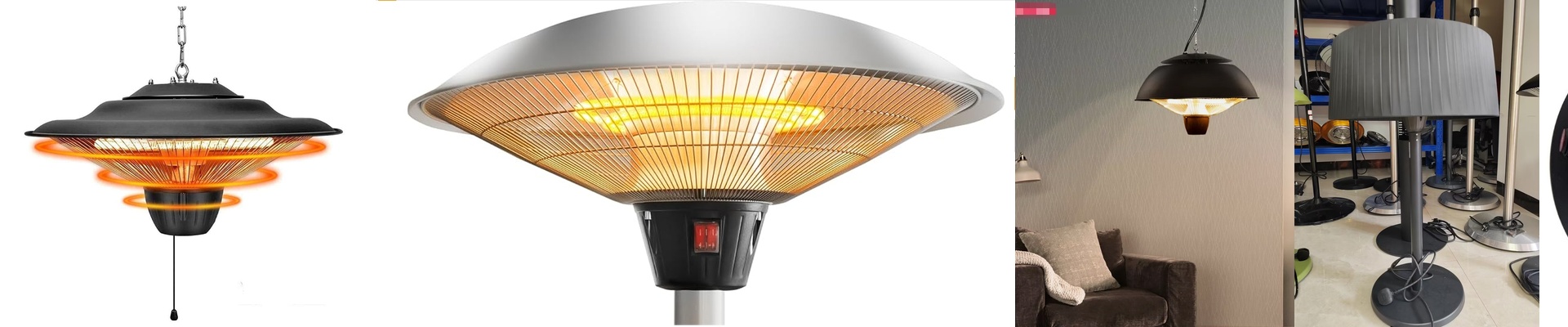
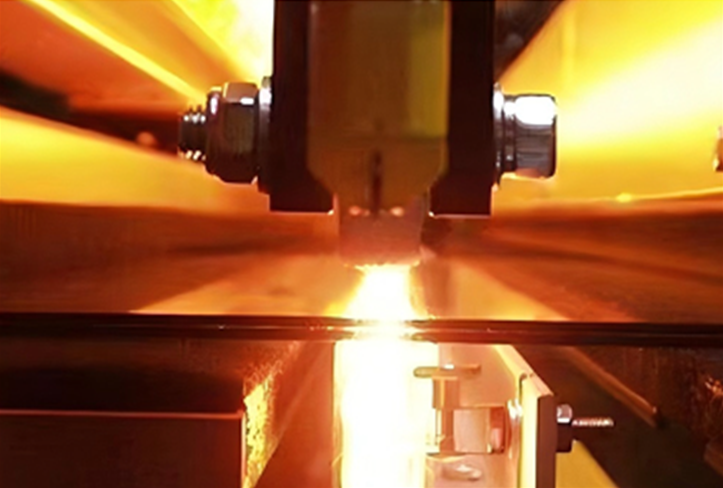
On the line, one hot spot or uneven heat across the glass will wreck a tempering or bending run in a heartbeat. When you need to kick off controlled breaking without thermal stress fractures, the thermal field has to be even. That’s the principle we built these infrared lamps around. What matters under the hood We run short-wave infrared with a quartz envelope—fast response, high power density. Ramp-up is quick because we don’t rely on convection. Emitter geometry and reflector layout are tuned to spread heat uniformly across the target zone, so temperature gradients that drive warping and optical distortion stay minimized. Output is matched to industrial duty cycles, with stable spectral characteristics for consistent absorption across float, coated, and laminated glass. The lamp drops into standard fixtures, and we size power density to the thickness and cycle time you’re running. Why it holds up in practice In glass processing, uniform heating keeps the sheet flat and stable during the breaking step, so you avoid edge cracking and surface marks. Fast response shortens dwell time, which helps you keep throughput up on tempering and bending lines without overheating adjacent zones. Energy use drops because heat goes straight into the glass, not the air. Cycle consistency improves because the thermal profile repeats, shot after shot. A few shop-floor details that make the difference Mounting alignment matters. Even a small gap or a reflector that’s off-target will create a hot spot. Check clearance to the glass, and keep emitter and reflector surfaces clean—coatings and dust change emissivity and throw uniformity off. With thick laminates or low-emissivity coatings, confirm wavelength and power match the absorption curve. And plan for thermal expansion of fixtures at high temperature so the heat pattern stays stable.