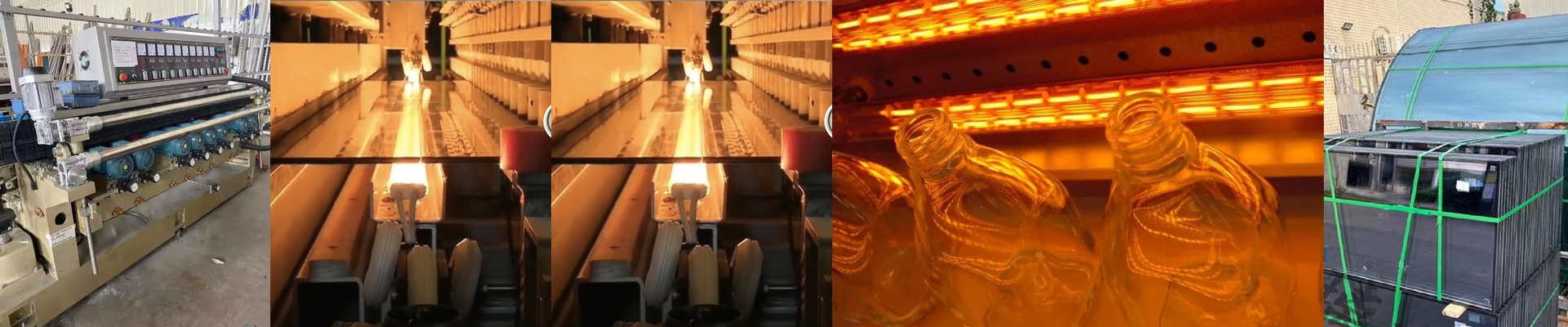
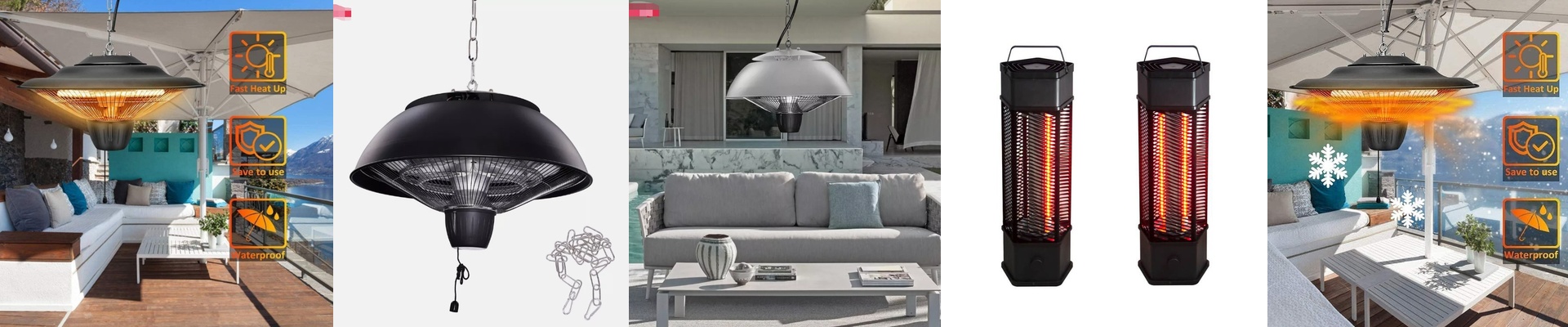
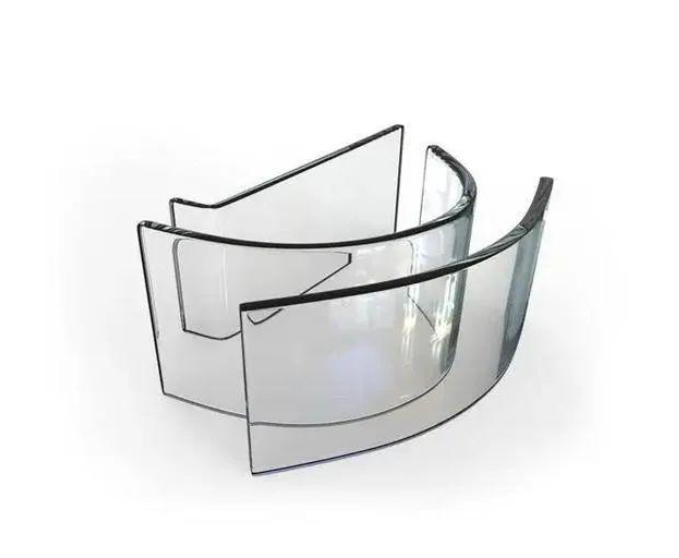
On the line, a dragging heat profile or uneven thermal field isn’t just inefficient—it shows up as optical distortion, edge stress, and laminated units that get scrapped. The Marver heating lamp puts control back where it belongs, giving you targeted radiant heat right where the glass needs it, without roasting the surrounding hardware. Here’s what we built it around: a short-wave infrared source in a quartz envelope, chosen for fast response and high power density. You get a quick ramp to setpoint and tight temperature stability across the marver surface. The heating zone is sized to match standard bending stations and retrofit footprints, with standard voltage options and industrial-grade terminals. The output is tuned to glass emissivity, so the energy goes into the glass, not the frame. In practice, that means repeatable soak profiles for tempering preheat and a consistent surface temperature for bending. In hot bending, the marver is the make-or-break for shape and edge quality. A stable, uniform thermal field cuts down roll-in stress and keeps the bend consistent from piece to piece. For tempering, a controlled preheat shortens the furnace cycle without risking thermal shock. And in EVA/SGP/PVB lamination and coating drying, the lamp cures faster and more evenly than convection alone. Dwell time drops, and gas draw comes down. The payoff is fewer rejects, higher throughput, and predictable energy draw per square meter. The lamp drops into most marver-based bending lines as a direct replacement module, but you have to hold alignment and mounting tolerances so the hot zone stays centered. Expect a short warm-up to reach steady-state output, and keep the quartz surface free of dust and condensates to maintain consistent output. Plan on proper shielding and thermal management around the lamp to protect nearby components.