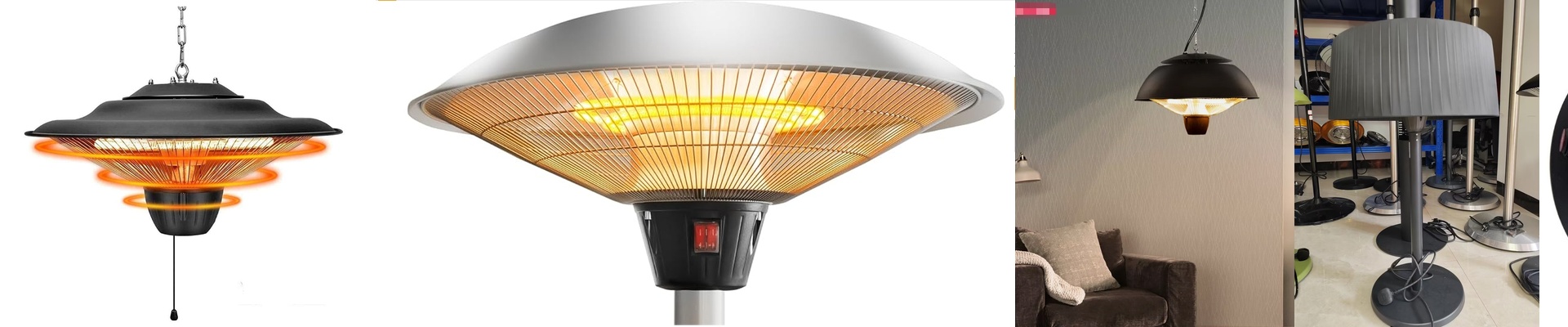
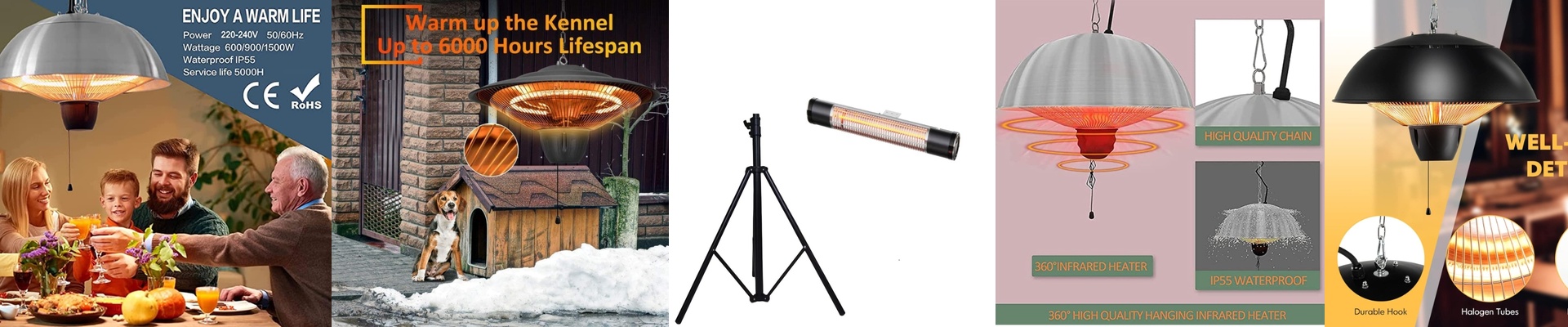
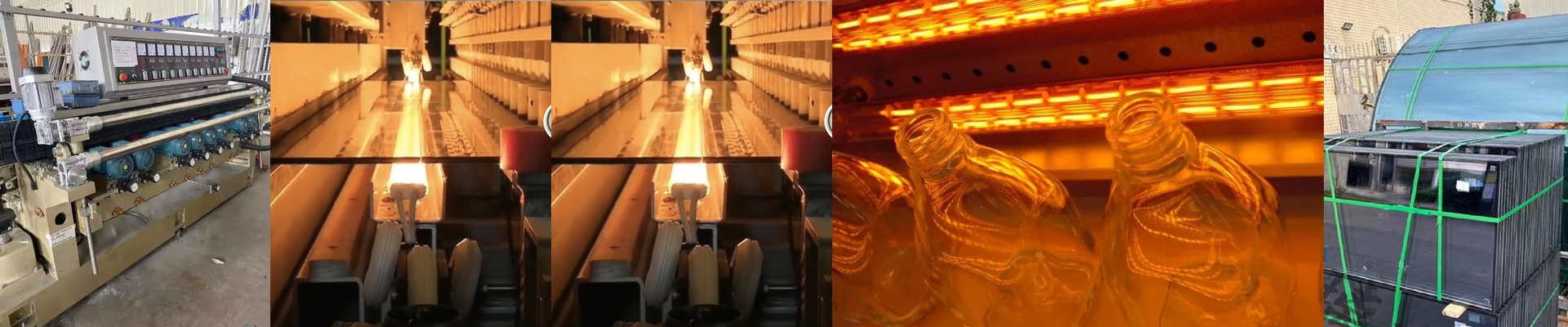
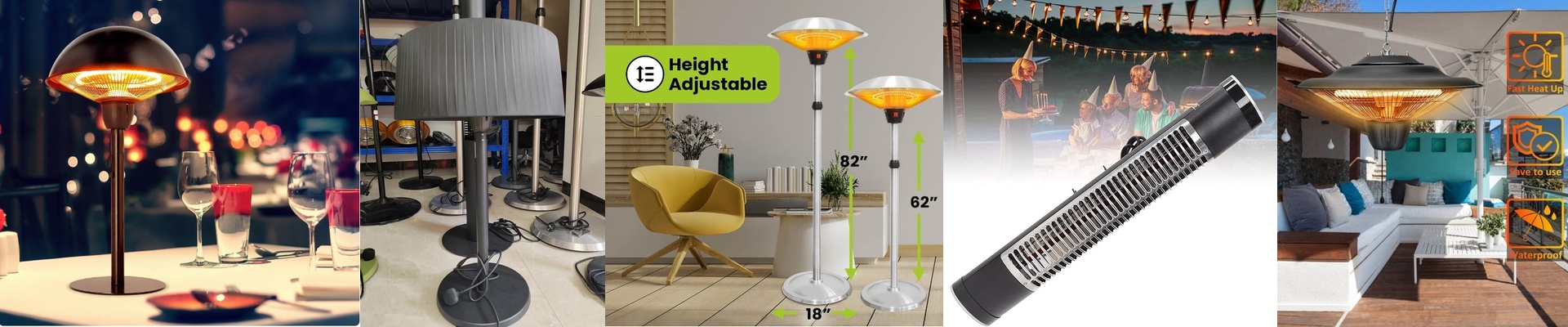
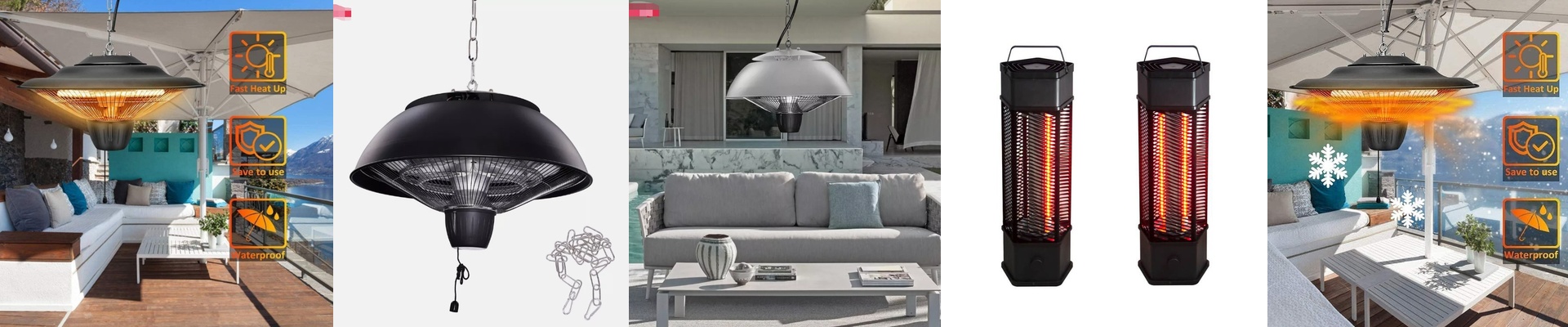
Out on the line, a blown glass piece sits waiting for the right heat. Hit it too cool, and the bend or seal won’t take. Push too hot, and thermal stress cracks the batch. The heater lamp on the blowpipe has to deliver repeatable, localized energy—fast. We run a short-wave infrared (NIR) quartz lamp that concentrates the output right where the glass needs it. Soak time drops, and cycle time settles down.
What matters under the hood
The lamp is built around a short-wave infrared quartz emitter, matched to the absorption of glass. You get fast surface heating with less wasted energy to convection. Standard configurations cover 230 V and 380 V, with power density tuned for blowpipe zones. Dimensions and mounting centers align with common tooling footprints. A ceramic holder and terminal block keep integration straightforward. Warm-up is quick, output stays stable over thousands of hours, and setpoints are repeatable—so your process window stays consistent.
Why it holds up in real work
In glass blowing, bending, and annealing, you need a uniform thermal field without hot spots. The focused NIR profile heats the blowpipe and the glass interface fast, so operators can hold shape accuracy and cut rework. In production, that means shorter heating windows, more parts per hour, and fewer scrapped units from micro-fractures. Energy use falls because the energy goes into the target, not the surrounding air.
What you need to keep straight
Installation is simple, but alignment is the make-or-break. Set the focal distance to the working plane, then confirm emissivity and reflector condition. Misalignment drives uneven heating and drifts the thermal profile. The lamp is designed as a drop-in for many OEM modules, but still double-check voltage, connector type, and clearance against your fixture. Treat the quartz like what it is—hot and fragile. Use proper shielding and thermal isolation, and plan maintenance around lamp life.