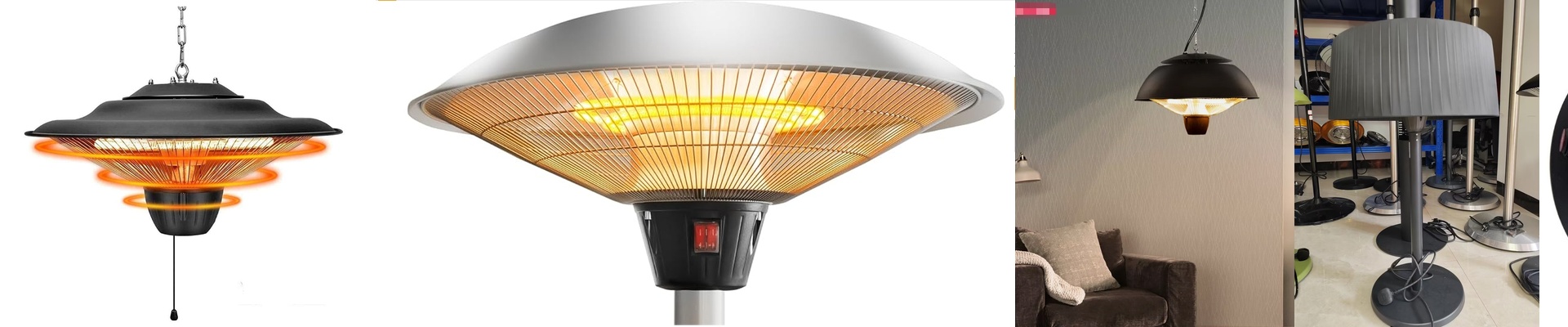
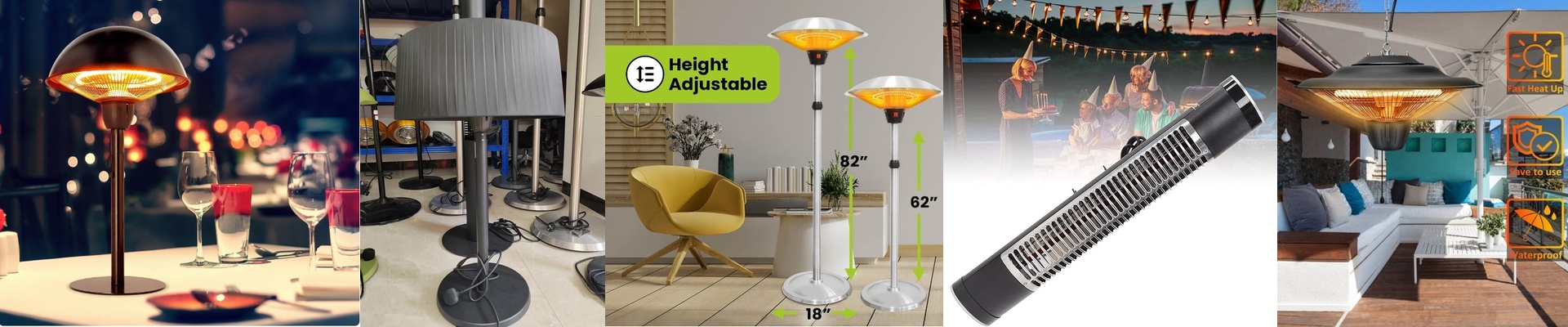
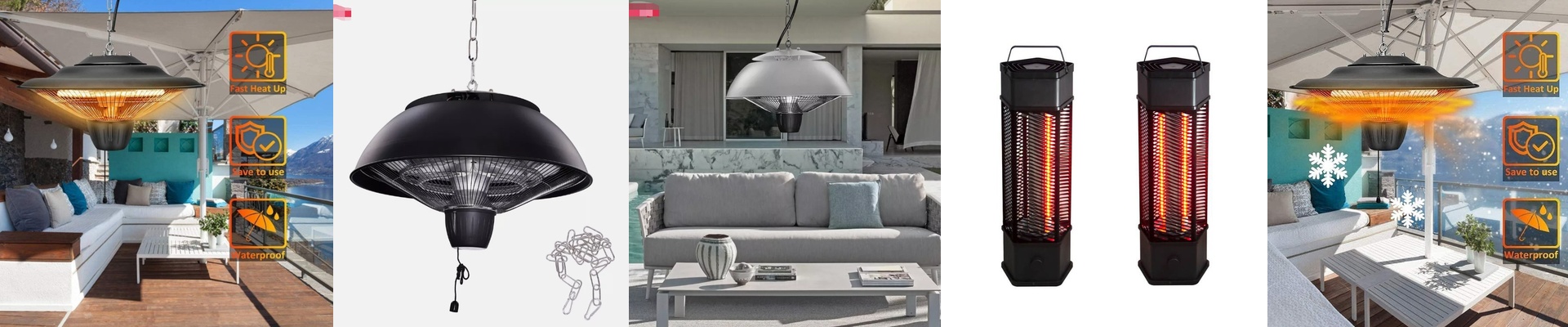
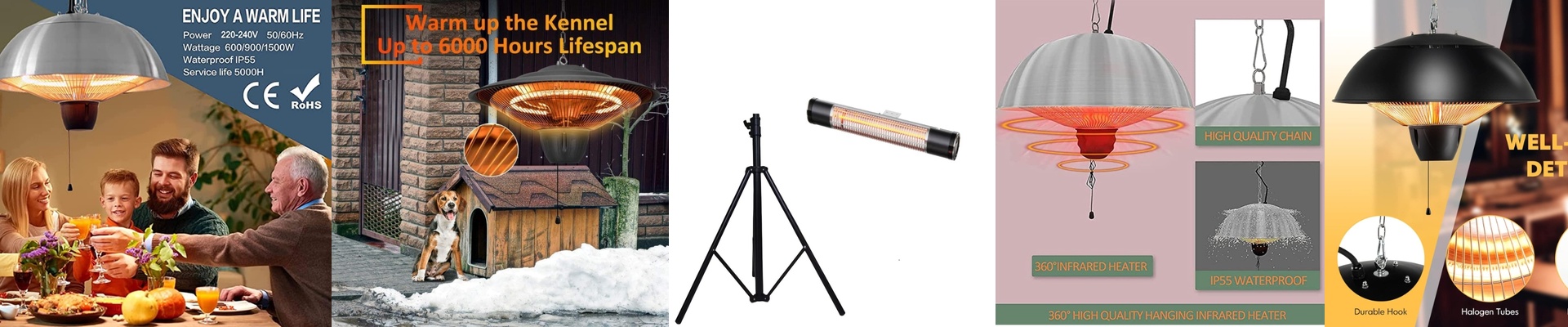
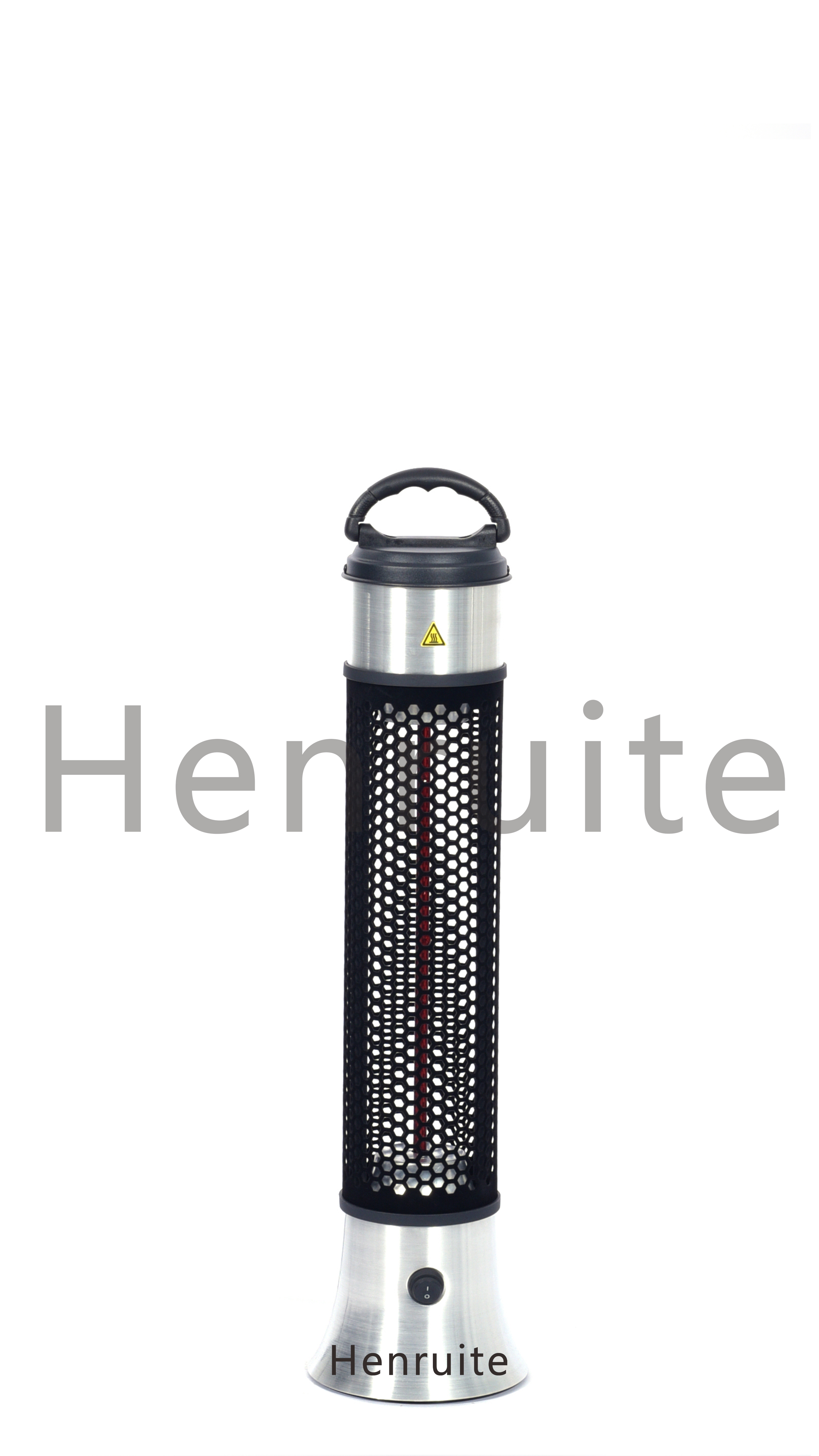
Outdoor seating in winter doesn’t tank because the food gets cold—it tanks because people get cold. The wind bites, chairs stay empty, service drags, and the whole evening turns into a waiting game. For open-air spots, winter heating isn’t just “a heater in the corner.” It has to deliver warmth that feels immediate, even, and repeatable, night after night.
What actually matters, technically
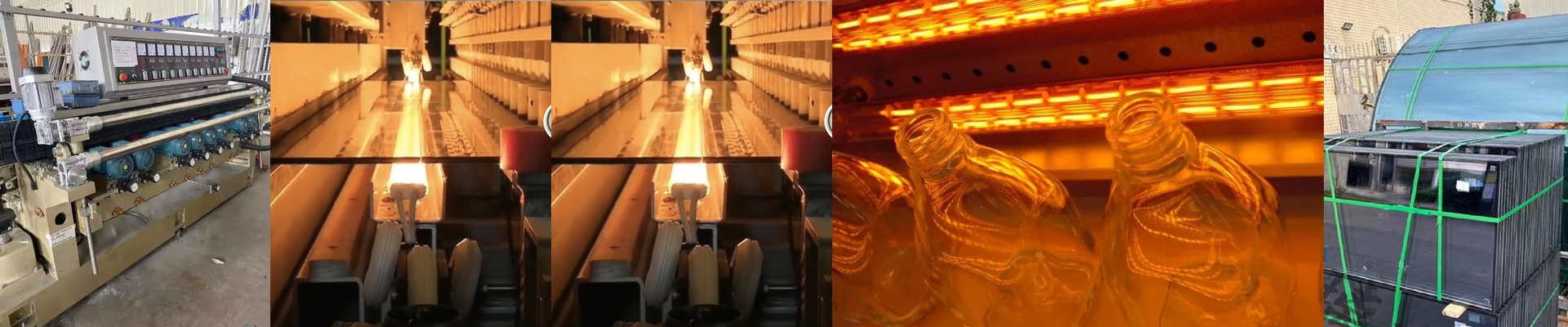
Infrared patio heaters throw radiant heat. They warm people and surfaces directly, instead of trying to heat all the air. We spec our commercial infrared heaters with a high-output carbon fiber element (or a quartz tube, depending on the model). That produces short-wave infrared warmth that travels outward in a focused pattern. You get heat the instant you switch the unit on—no long preheat, no dead time while you wait. These are built for real commercial duty: 120V or 240V options, serious mounting hardware for ceilings and walls, and a sealed design that can handle damp nights. The built-in thermostat keeps comfort steady, and the safety basics—tip-over protection and overheat protection—come standard.
Why this works in an open-air restaurant
In an open-air setup, the payoff shows up in seats filled and covers turned. Infrared warmth keeps tables comfortable even when the air is chilly, so guests sit longer, order more, and come back sooner. Because the heat is directional, you can aim it where it matters—along the perimeter, near entry points, and over the seating zones that drive revenue. That targeted comfort helps with turnover, too. Customers don’t linger just to stay warm, and staff can reset tables without waiting around for the space to cool down. The evening keeps moving, and winter becomes a season that supports revenue instead of fighting it.
The details that make it happen
Infrared is efficient for spot heating, but it performs best when you plan it. Place heaters so you avoid direct glare on tabletops, and make sure high-traffic zones are covered. In fully exposed areas, run units rated for outdoor use—check the IP rating—and protect connections from moisture. One practical reality: infrared heaters warm objects and people, so drafty walkways and wind-driven corners can still feel cooler. In those spots, pair heaters with wind shielding, and size coverage based on square footage and exposure.