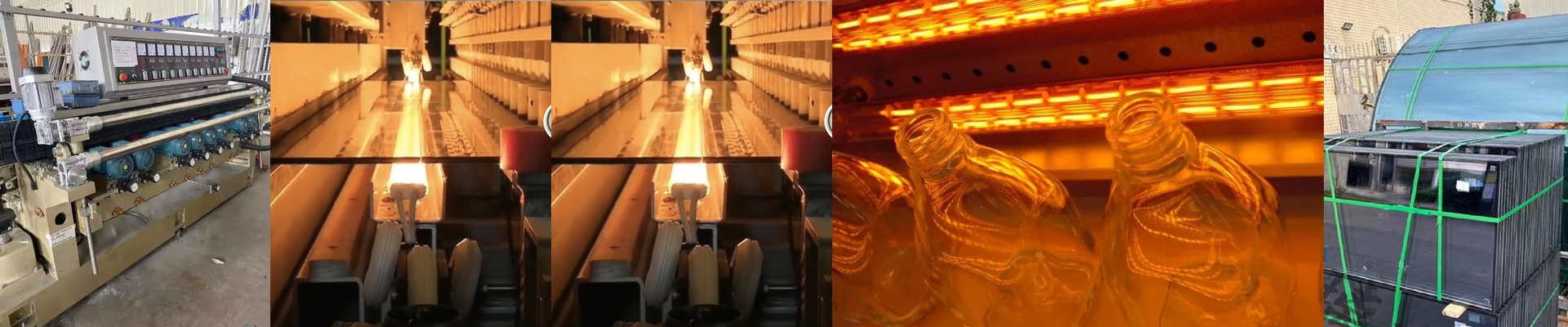
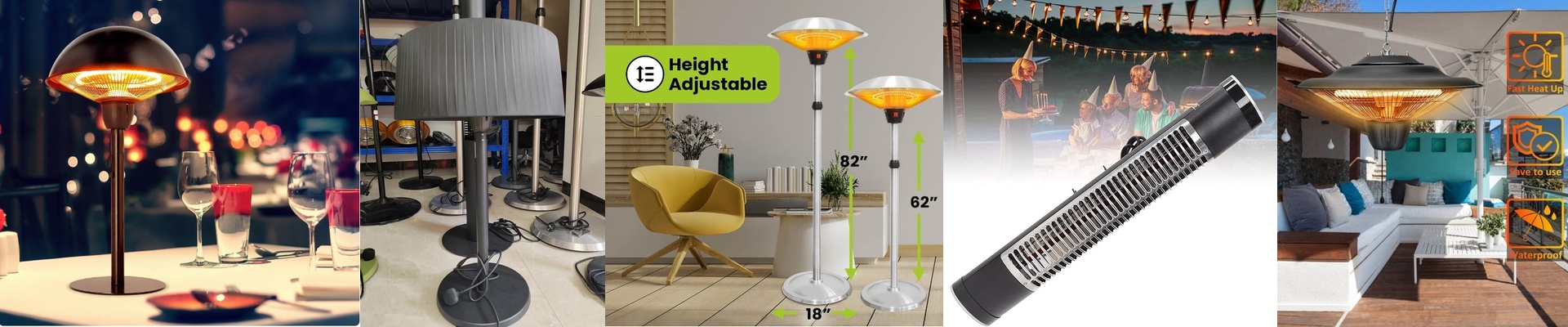
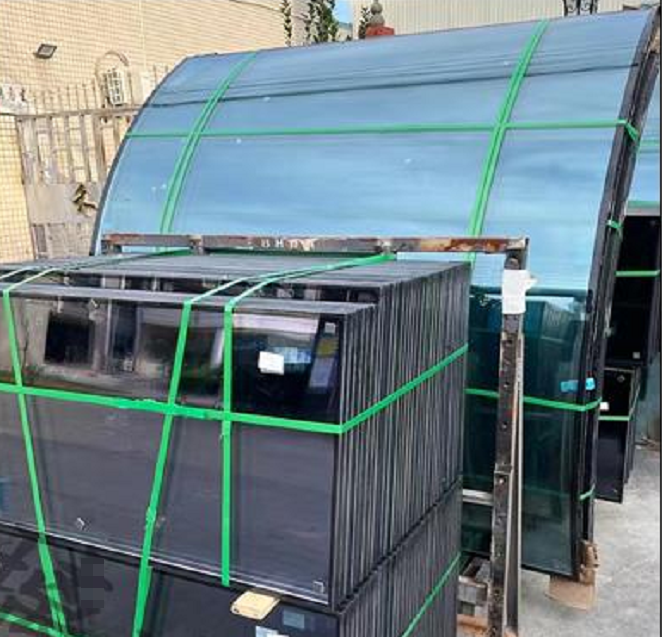
On the glass line, heat isn’t just heat. It’s cycle time, flatness, optical clarity, and scrap. When the heater starts drifting, you feel it fast: uneven temper, lamination that drags, and IG seals that don’t pass inspection. Electric infrared heaters are built to take that variability out of the equation. What matters, technically We build the heater around how glass actually behaves—delivering energy quickly and under control, without cranking up convection. Short-wave electric infrared with quartz tubes gives you fast ramp-up and immediate response when the setpoint changes, so the oven profile stays stable even when the glass size changes. Target the wavelength to match how coated and uncoated glass absorb, and you get better heating efficiency with less energy per cycle. The module is rated for industrial voltages and drops into standard machine footprints, with terminals and shielding that can handle high heat and high humidity. Why it works on the floor In tempering, uniform heating cuts thermal stress and edge wave, which lifts yield and optical quality. In lamination, fast, even heat shortens the dwell window and keeps PVB/SGP/EVA in the right flow range, so you see fewer voids and less rework. For insulating glass, consistent seal temperature keeps the primary and secondary seals setting the way they should. The payoff is fewer line stoppages, lower electricity use, and a heating module that can keep up with high-throughput schedules. A few things to keep straight Installation is straightforward, but the heater performs best when reflectors are aligned and the target distance matches the process. Keep the surface clean and check connections regularly—infrared performance depends on emissivity and spacing, and dust or misalignment will shift your temperature profile. Plan around machine clearances and cooling requirements, and make sure the controls are compatible with your PLC and temperature controllers.