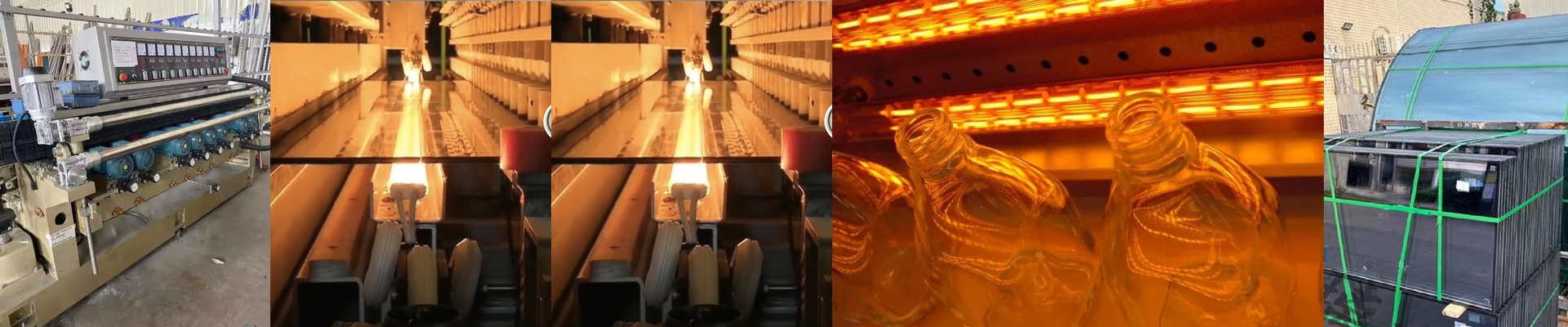
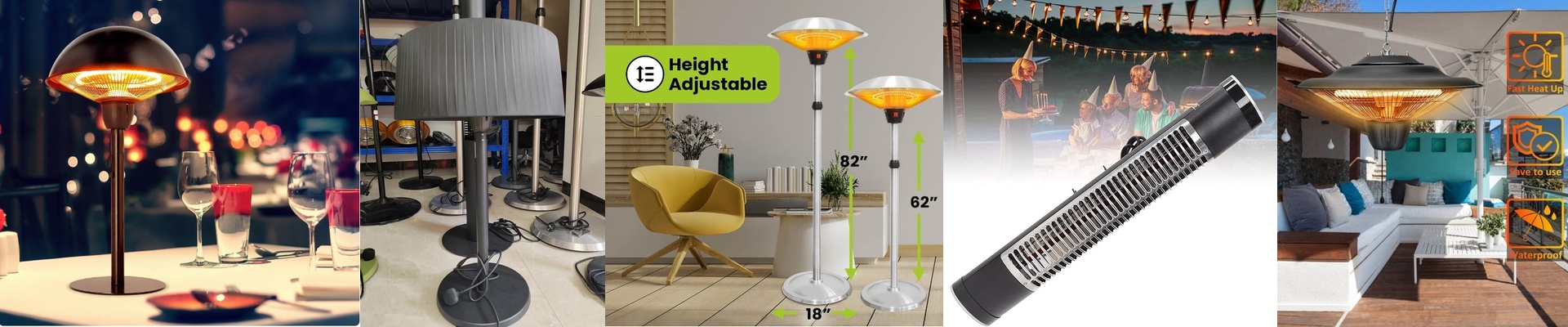
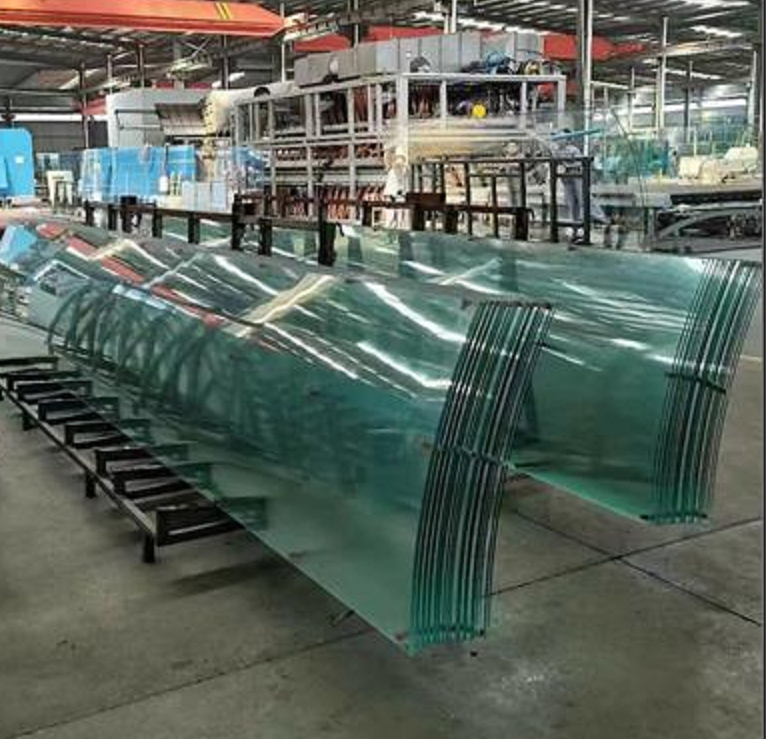
On the lamination line, the cutting heater is the pinch point. If the plies don’t hit temperature fast enough, the cut edge delaminates. If the heat isn’t even, you’re chasing thermal stress fractures after pressing. We built our laminated glass cutting heater to take that guesswork out of the equation. It hits rapid, uniform heat with short-wave infrared quartz elements, tuned to glass emissivity. Power is sized for high-throughput lines, and the response is quick—less warm-up, less idle loss. What matters, technically Short-wave infrared gets into the interlayer fast while keeping surface convection down, so the stack heats evenly top to bottom. These heaters run 380–480 V three-phase, with power matched to glass width and line speed, not some blanket rating. PID control with closed-loop feedback holds setpoint across the full width within tight tolerance. The payoff is consistent temperature distribution: fewer micro-cracks at the cut edge and repeatable lamination bond strength. In production, you feel it in seconds and kilowatt-hours. Faster ramp-up shortens the cutting-to-press window, so you push more glass without adding ovens. High electrical-to-thermal efficiency and lower standby losses cut the energy per square meter. You end up with fewer rejects from edge defects, stable quality across shifts, and a lower cost per piece. Installation is straightforward, but the heater has to fit the conveyor clearance and the machine footprint. Check mounting dimensions and lead routing before changeover, and confirm the supply circuit can handle the peak load. Expect a short tuning period after startup to lock in the best temperature profile for your specific interlayer and glass thickness.