

Picking the Right Infrared Heater for Your Bathroom
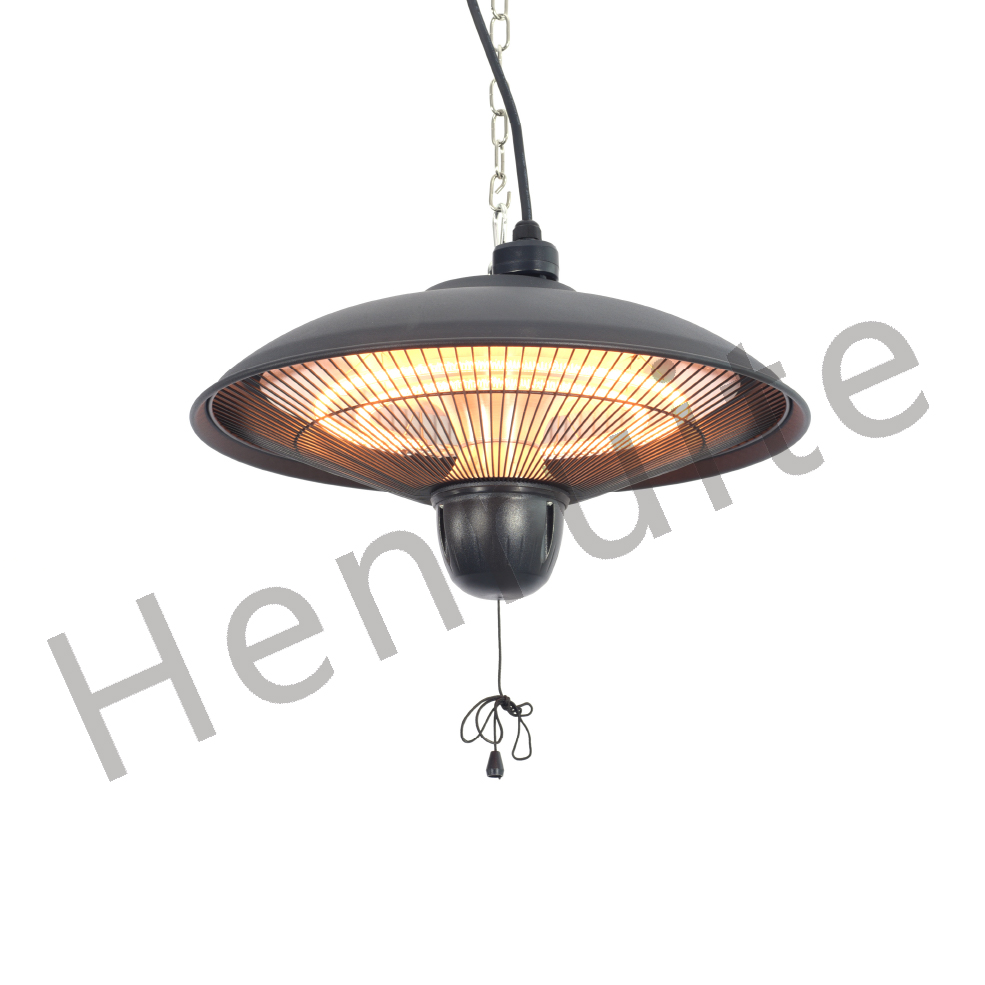
When you’re looking for a bathroom heater, your first instinct might be to just grab the one with the biggest number on the box. But here’s the thing: more power isn’t always better. It’s really about how much space you’re trying to warm up and how much steam you’re dealing with. Let’s talk numbers. If you’ve got a tiny powder room (under 4 square meters), a 400W to 600W shortwave lamp usually does the trick. It keeps things cozy without overdoing it. For a medium-sized bathroom (5-10 square meters), you’ll probably want something in the 800W to 1200W range. Now, if you’re dealing with a massive master bath or a big wet room over 12 square meters, you’ve got two choices: go with a heavy-hitter 1500W+ array, or just install a few smaller units. And a word of caution: don’t put a monster heater in a closet-sized bathroom. The thermostat will kick in and out constantly. It’s annoying, it wastes electricity, and it’ll wear out your equipment way faster than it should. Dealing with the steam Bathrooms are wet. That’s why these units use quartz glass and special seals to keep the moisture out. I always suggest shortwave infrared for these spaces. Unlike a standard heater that tries to warm up all the air in the room—which is basically impossible when you’ve got a cloud of steam stripping heat off your skin—shortwave goes straight for you. It hits your skin and the surfaces around you instantly. It’s that immediate “ahhh” feeling the second you step out of the shower. The “Hot Spot” Problem There is a bit of a trade-off here. High-wattage lamps create a very intense, tight beam of heat. If you mount a 1500W lamp too low, you’ll end up with scorched shoulders while your toes are still freezing. Not exactly the luxury experience you’re after. The secret is balancing the power with where you hang the unit. I’ve found it’s much better to use a couple of lower-wattage lamps spread out across the ceiling. You get a nice, even glow of warmth instead of one blindingly hot spot. Just make sure your wiring can handle the total load. Nobody wants to trip a breaker in the middle of a freezing January morning.