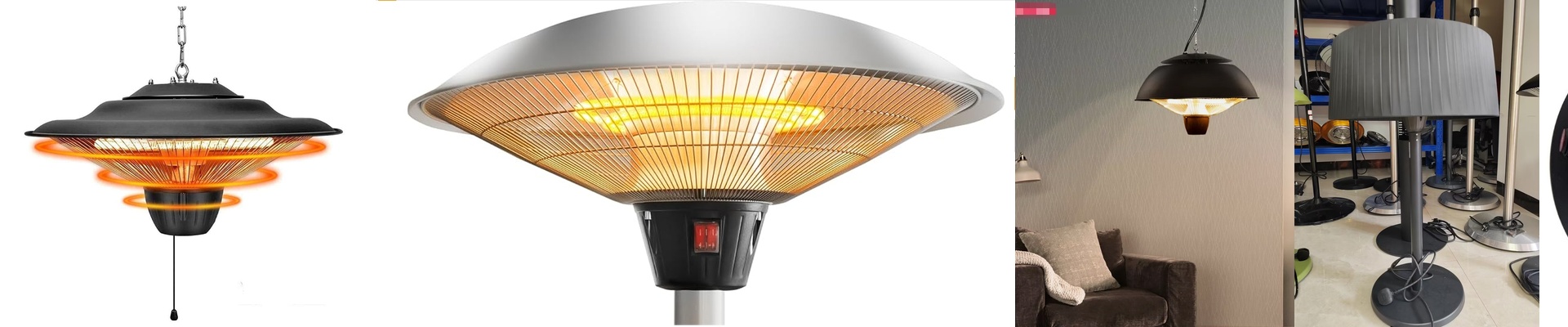




Keeping Your Bathroom Infrared Heaters from Becoming a Hazard
Let’s be honest: putting infrared lamps in a bathroom is basically like inviting a short circuit to dinner. You’ve got steam everywhere and water droplets landing on everything. If you just use a standard heating element, you’re asking for trouble. To actually make these things safe, you can’t just slap them in a plastic box. You have to think about how the electricity is actually isolated from the moisture. Dealing with the damp Water loves to conduct electricity, which is exactly what we don’t want here. We use high-grade quartz glass and specific ceramics to keep the heating filament far away from the chassis. But the real battle is at the seals. If moisture creeps into the terminals, it’s game over. That’s why we stick to IP-rated enclosures—usually IPX4 or better—to keep the spray and condensation out. We also pot the junction points with heat-resistant silicone. This stops “tracking,” which is basically when moisture creates a little bridge for electricity to travel where it shouldn’t. Safety nets and leakage You can’t just trust a housing to do all the heavy lifting. We build in a dedicated grounding path straight to the metal frame. Here’s why: if the insulation ever fails, we want the current to trip the RCD (the safety switch) immediately. It’s much better to have the power cut out than to have the outer shell of the heater become live. We test for leakage current constantly. If we see a spike over 0.75mA, we know a seal has failed somewhere and needs to be fixed. The trade-off There is a catch, though. Waterproofing makes things bulky. A fully sealed unit takes up more space than an open-air heater. Plus, all that sealing traps heat inside. You have to make sure your ventilation is up to the task, or the internal wiring might just burn out from the heat soak. To prevent that, we use silicone or PTFE cabling. They can handle the heat and the humidity without melting into a mess.