Getting Your Bathroom Heater Wattage Right
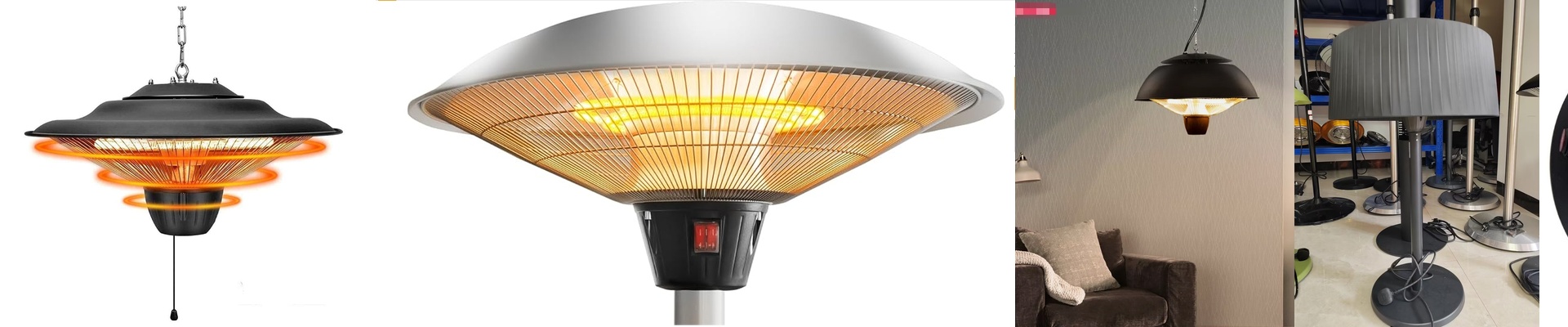
When you’re picking out infrared heaters for your bathroom, don’t just grab the one with the biggest number on the box. It’s not a “more is better” situation. Think of it as a balance. If you go too low, you’ll be standing there shivering while the heat vanishes into thin air. But if you go overboard? You’re basically just paying the electric company to turn your bathroom into a sauna.
Finding the Sweet Spot
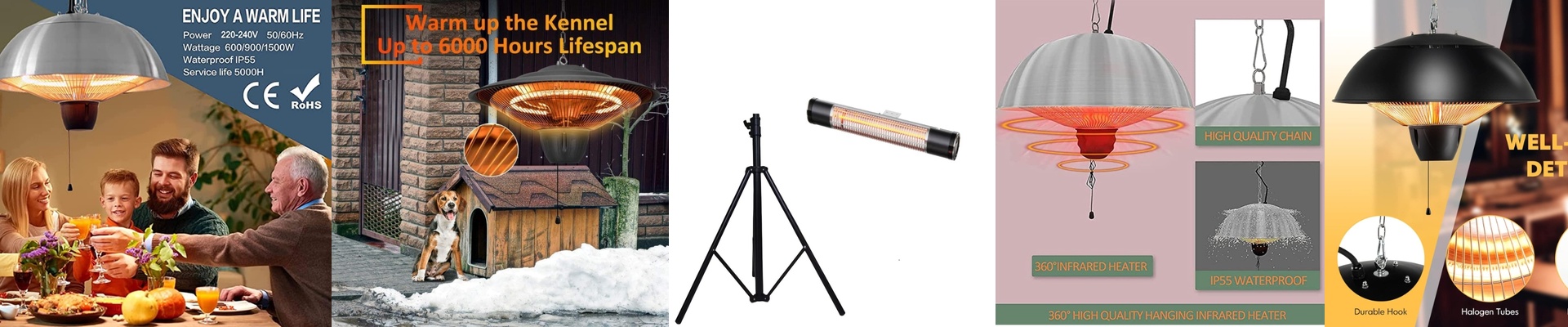
It really comes down to how much space you’re trying to warm up. If you’ve got a tiny powder room—you know, those little spaces under 4 square meters—a 250W to 400W lamp is usually plenty. Since the ceiling is usually low, that warmth hits you almost instantly. It feels great. For a mid-sized bathroom (around 5 to 10 square meters), you’ll want to bump that up to 600W or 800W. Now, if you’re dealing with a massive master bath or those fancy high ceilings, one lamp just won’t cut it. You’ll end up with “cold spots” where you’re warm in one corner and freezing in the other. The trick here is to spread a few 800W units across the ceiling to keep everything cozy.
Saving a Bit of Cash
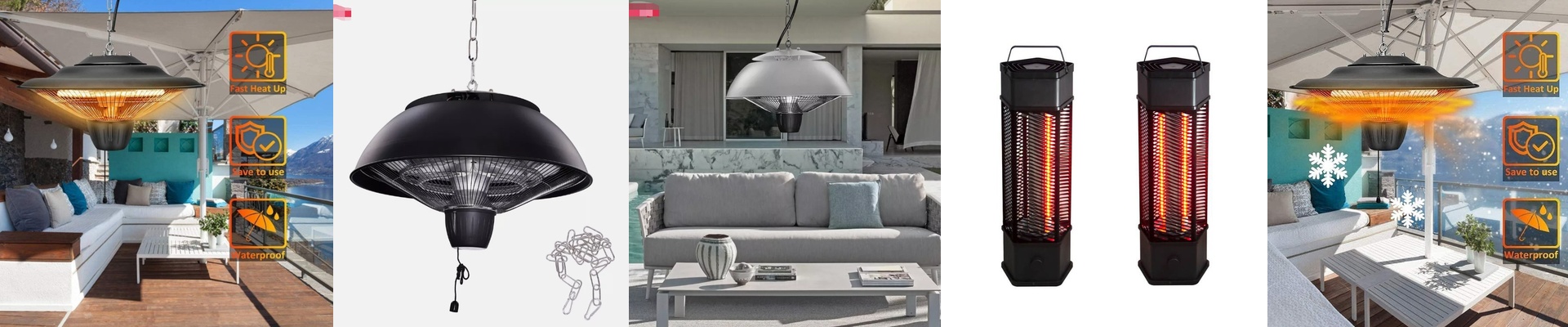
The cool thing about shortwave infrared is that it heats you, not the air. That’s why it’s so perfect for bathrooms. You aren’t fighting against the steam and humidity like you would with those old-school heaters. If you want to keep your power bill down, try adding a timer or a motion sensor. That way, the heat kicks in the second you walk in and shuts off the moment you leave. Simple.
A Few Things to Watch Out For
High wattage gives you that “instant warmth” feeling, but it does put more pressure on your home’s electrical system. If you’re planning to install several 800W units, it’s a good idea to double-check your circuit breaker first. You don’t want the lights going out right when you’re mid-shower. Also, keep an eye on the hardware. All that heat can be tough on the lamp housing. Just make sure your fixtures are actually rated for the wattage you’re using. Otherwise, you might notice the casing warping or changing color over time, which isn’t a great look.