
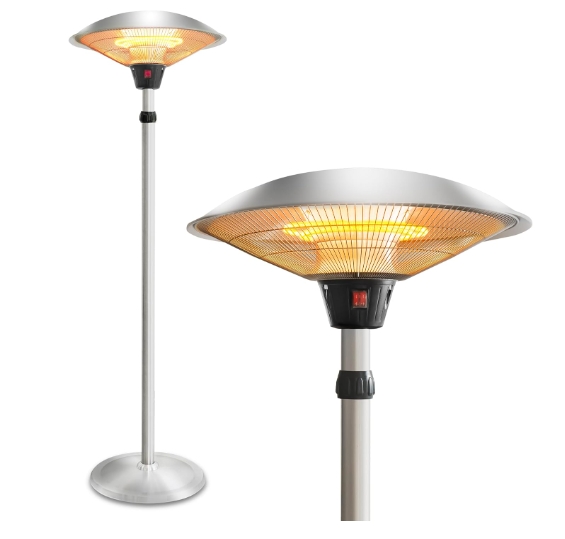
Let’s Talk About Ceiling Heaters (And Why They Don’t Just Explode)
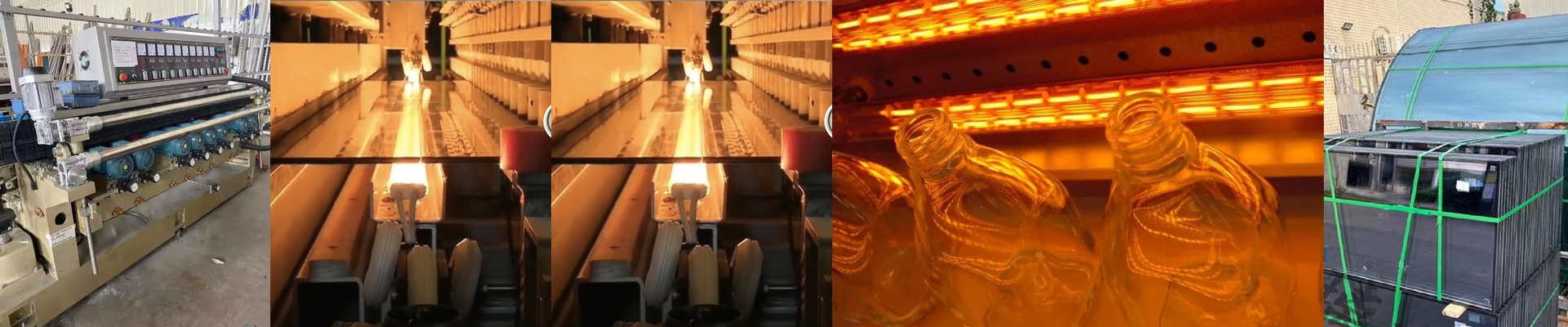
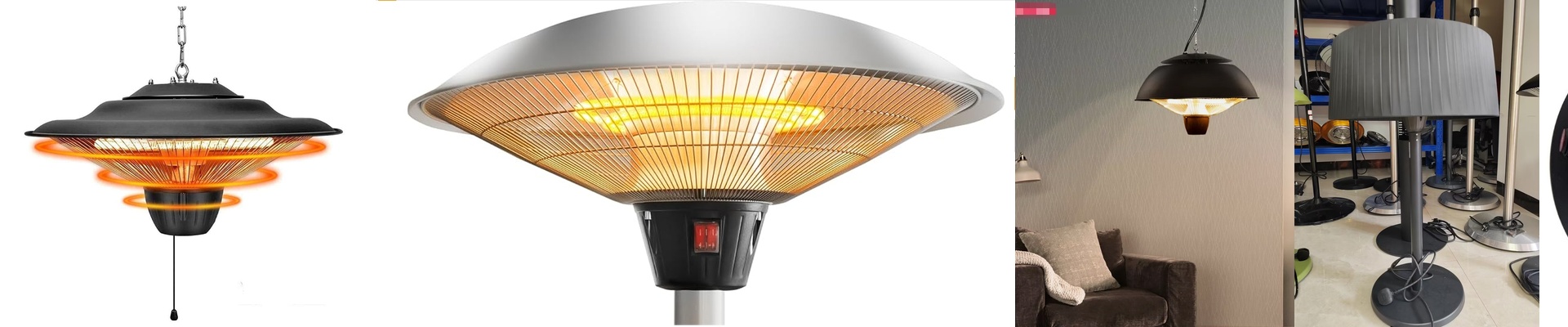
Putting a high-powered infrared heater in a bathroom is a bit of a gamble. You’ve got a massive amount of heat sitting right above a room full of steam and splashing water. The real worry here isn’t just a simple short circuit. It’s what happens when a drop of cold water hits a tube that’s glowing at several hundred degrees. That kind of temperature shock is brutal. The secret is in the quartz. If you used a regular quartz tube, it would probably crack the second it got hit with moisture. That’s why we use explosion-proof quartz. It’s built to take those sudden temperature swings without losing its cool. And if the worst happens and a tube does fail? The glass is treated so it doesn’t just shatter everywhere. It stays contained. No one wants glass shards raining down on them while they’re stepping out of the shower. Fitting power into a small space Since these units are recessed, we don’t have much room to work with. To get the room warm fast, we cram high-wattage filaments into short tubes. It’s efficient, but it creates a lot of heat inside the ceiling housing. Here is a pro tip: make sure there’s actual breathing room in your ceiling cavity. If the air can’t move, the internal wiring basically slow-cooks itself, and your heater won’t last nearly as long as it should. A quick word on maintenance Look, these lamps aren’t going to last forever. Eventually, the filaments will burn out. We made the connectors simple so you can just pop a new one in, but there’s a catch. Don’t touch the glass with your bare hands. Seriously. The oils from your skin leave invisible smudges on the quartz. Once the heater turns on, those smudges create “hot spots” that can crack the tube way earlier than necessary. Using explosion-proof glass is basically our safety net. It won’t stop the lamp from wearing out over time, but it keeps a mechanical failure from becoming a disaster in a wet bathroom.