Introduction
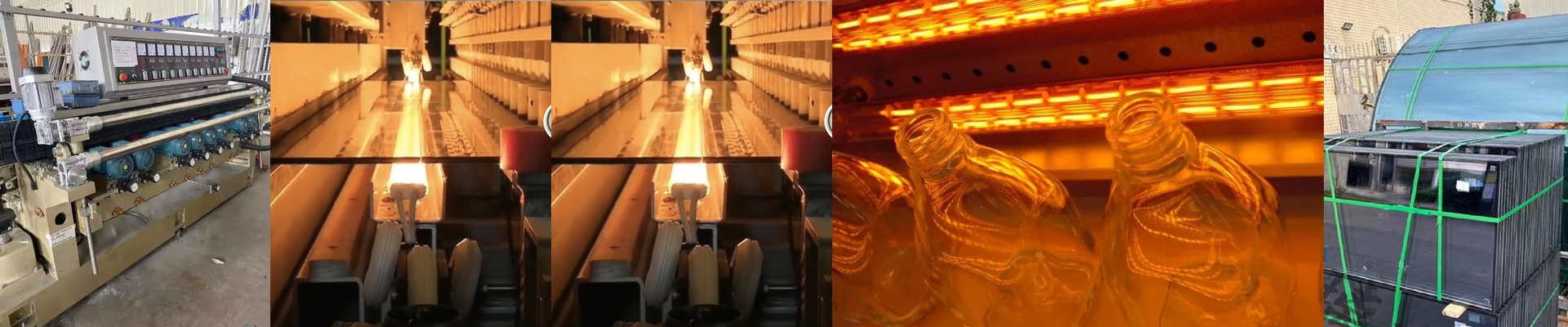
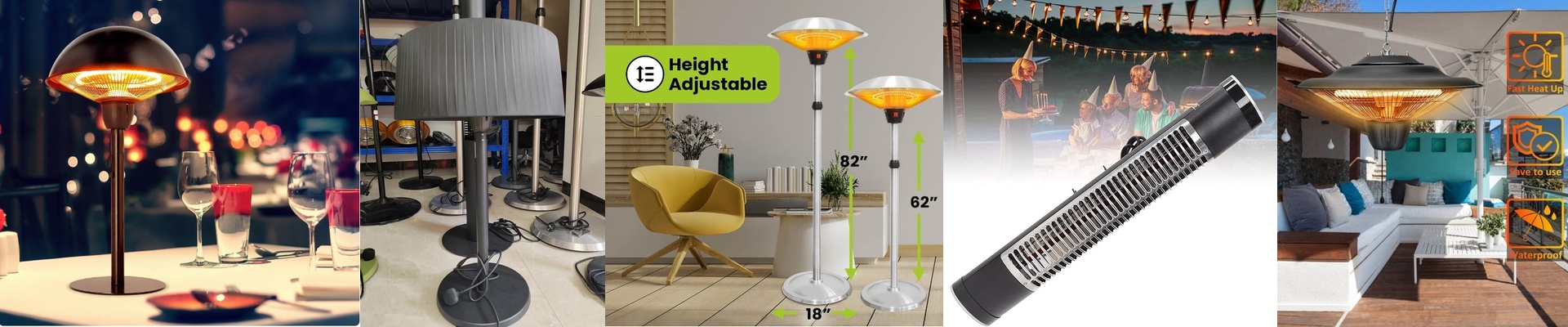
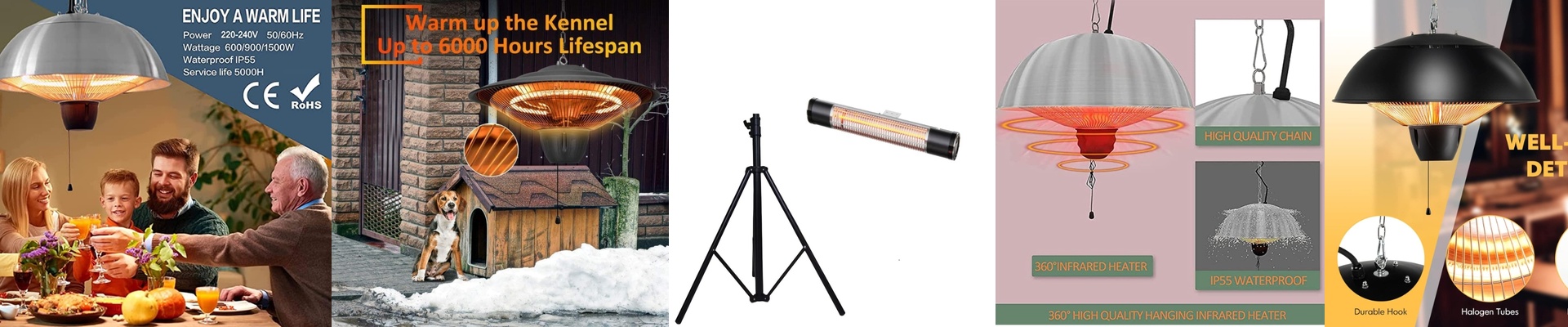
Ever tried firing decorative glaze onto glass bottles and just wanted that mirror-smooth finish? It’s a tough job. Old-school convection ovens make it even tougher. They heat the air, not the glaze itself, and you end up with uneven results. So, we built something different. We built infrared halogen heating lamps that go straight to the point. They deliver direct radiant heat, melting the glaze deep and evenly. The kind of melt that gives you that flawless, glass-like surface every single time.
The Power Behind the Heat
These lamps were designed for one thing: high-intensity, focused heat. That 400V electrical rating? It’s not just a number on a spec sheet. It packs serious wattage into a compact 300mm tube. This gives you the muscle to hit your target temperature fast. And you don’t have to rewire the whole plant just to make it work. Then there’s the 2500W output. It’s the sweet spot for a busy production line. Enough power to fuse the glaze in seconds, so your line keeps moving. No waiting around.
What’s Inside
The heart of it all is the halogen element, sitting snug inside a quartz tube. Quartz is brilliant for this. It lets the infrared energy pass through with almost no loss, so the heat lands right where you need it. And the halogen cycle keeps the filament stable. No more watching the output drop over time like you get with standard lamps. You get steady, reliable performance shift after shift. The R7s base is a simple, practical choice. It’s a standard, tough connector that locks the lamp in place. It gives you a solid electrical connection that can handle the constant vibration of a production line without breaking a sweat.
On the Line, Where It Counts
On the bottle decor line, these lamps give you heat you can control. And that control is what makes all the difference. It allows for “depth fusion”—the kind where the glaze fully melts and settles into that perfect, optical-quality surface. Plus, the footprint is small. They’re an easy, straightforward swap for older systems. But here’s the thing to keep in mind: that 2500W lamp puts out a lot of energy. So you need to make sure your machine’s cooling system is up to the task of handling the extra heat. For engineers who need a process they can count on—one that delivers a mirror finish, shift after shift—this is the way to spec out your heating stage.