
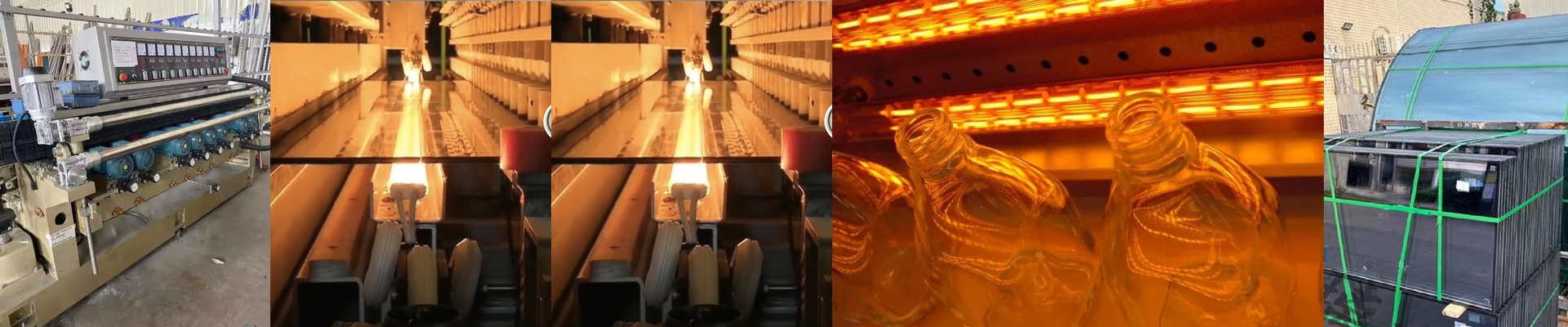
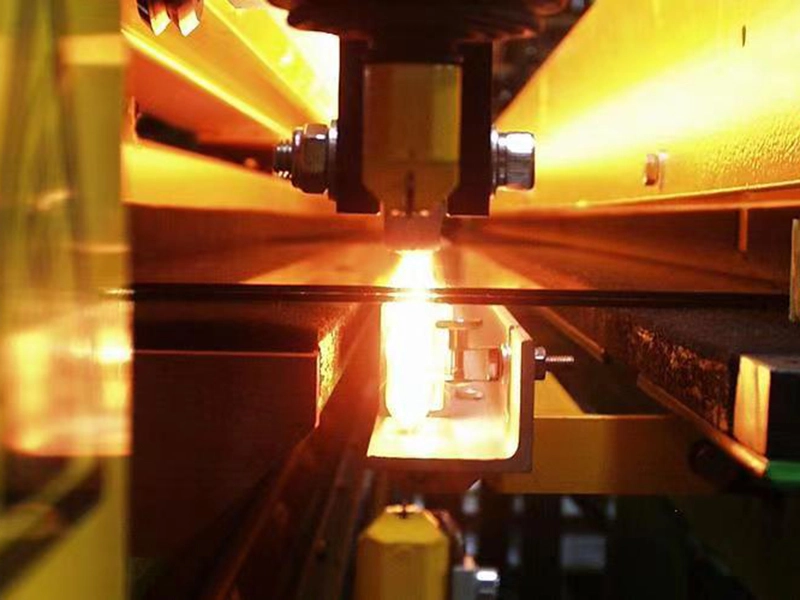
On the tempering line, heat isn’t just a setpoint. It’s the stress profile you’re trying to hit, the quench timing, and the scrap rate you get to live with. When the heating section drifts or the field is uneven, you pay for it in optical distortion, wavy edges, and the worst kind of failure—parts that pass inspection today and come back from the field tomorrow. We built our infrared heating modules to keep the profile stable, repeatable, and under control, because tempering is a job that runs on numbers you can trust. What matters technically We use short-wave infrared emitters with a quartz envelope, chosen for fast response and tight control. The heater face lays down a uniform thermal field, so you don’t get hot and cold bands across the glass surface—less thermal stress during the heating phase. Setpoint changes track quickly when you switch thicknesses or colors, which matters when the schedule keeps moving. The system is built for the plant: high-temperature wiring, solid terminations, and a modular layout that lets you swap out a single zone without shutting down the whole oven. Power density is matched to real tempering cycles, not to a showroom sheet, and we account for emissivity so heat transfers predictably from the emitter to the glass. Why it works on the line Tempering is all about speed and consistency. Infrared heats the surface directly, so warm-up time drops and the furnace stays in steady state. That translates to more glass per hour and fewer idle minutes waiting on temperature. A more even field cuts edge overheat and corner stress, which lowers breakage during quench and improves optical quality. You also use less energy because you’re not heating air and then paying for re-radiated losses—you’re delivering heat where it needs to go. The payoff is fewer rejects, less rework, and a line that behaves the same shift after shift. Here are the practical details Installation is straightforward on most tempering lines, but alignment is critical. The heater array has to be parallel to the glass path, and the focal distance needs to be set for the target thickness. Keep reflectors clean so the field stays uniform, and plan on routine maintenance for quartz surfaces that collect ambient dust. Have a spare emitter kit on hand—downtime is expensive. If your line runs a lot of low-emissivity coatings, talk upfront about power density and control tuning. The heat transfer behavior shifts, and the control loop needs to match it.