Stop Wasting Power on Your Glass Annealing
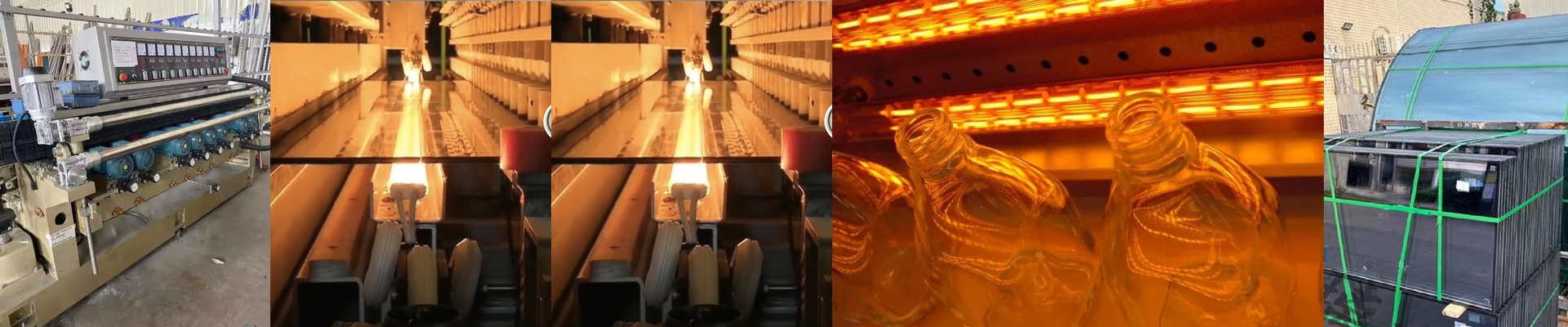
Let’s be honest: annealing is usually the biggest power hog in the entire production line. It’s frustrating to watch your electricity bill climb just to keep the air around your glass hot. That’s why we use medium wave infrared (MWIR) lamps. Instead of heating the whole room, these lamps target the glass itself. The heat actually sinks into the material rather than just floating away into the rafters.
Why Medium Wave?
It’s all about finding the sweet spot. Short wave penetrates deep, but long wave mostly hits the surface. Medium wave sits right in the middle. By tuning the wavelength, we can get the glass to its transformation temperature without those nasty internal stresses. You end up with a thermal gradient that’s actually uniform. No surprises, no weird tension in the glass.
The Gear and the Heat
Our MWIR lamps are built for raw power. We do this so you can keep your cycle times tight. When you crank up the power density, things heat up fast. And when things heat up fast, your conveyor can move quicker. It’s a win-win. You get more parts out the door without worrying about the quality dipping. We use quartz envelopes because they can handle the thermal shock without flinching. We also calibrate the elements to kill off any hot spots—because nobody wants a cracked workpiece. **One heads-up, though.**These arrays put out a massive amount of radiant heat. If you don’t get your housing ventilation and cooling fans right, you’ll cook your terminals and burn out your lamps way too soon. Don’t skip the cooling.
Cutting the Power Bill
If you’re still using old-school resistive heaters, you’re wasting a ton of energy just getting things “up to temp.” Switching to targeted infrared stops that bleed. We put the energy exactly where it needs to be. That drops your idle power draw and lowers the total kWh for every single piece you make. It’s just leaner. One last thing: if you’re swapping out old lamps, double-check your wiring. A “drop-in” replacement only works if your voltage and amperage actually match the new tubes. Before you go all-in and scale up your array, it’s a good idea to do a quick audit of your energy footprint. It saves a lot of headaches later.