Why We Use Explosion-Proof Quartz in Bathroom Heaters
Let’s be honest: bathrooms are a nightmare for electronics. You’ve got thick steam, constant humidity, and wild temperature swings. When you’re installing a ceiling-mounted infrared heater, you need something that can handle that chaos without giving out. That’s where the quartz glass comes in.
The “Cold Drop” Problem
Here is the thing about standard quartz tubes: they’re temperamental. Imagine a lamp running at full blast—it’s scorching. Then, a stray droplet of cold water hits that surface. The glass shrinks too fast in one spot, and snap. It cracks. In some cases, it doesn’t just crack; it pops. We use explosion-proof quartz to stop that from happening. It’s treated to handle those extreme temperature jumps. Even if the glass does fail, it’s designed to hold together rather than showering you in dangerous shards while you’re trying to dry off.
How the Heat Actually Works
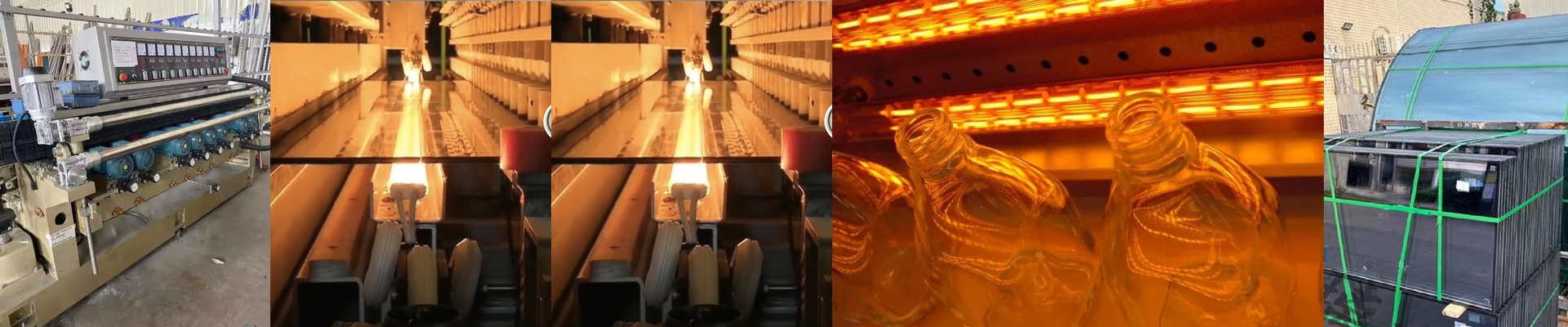
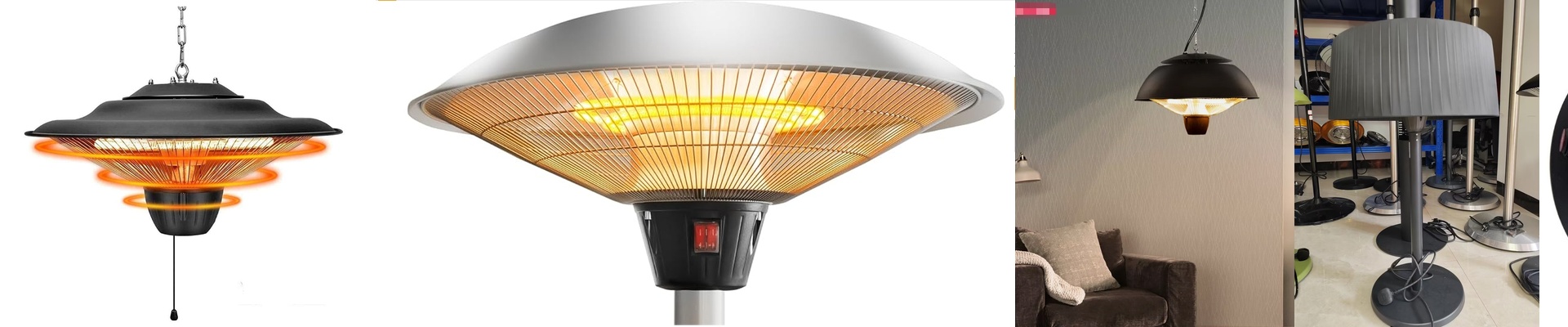
We use high-purity silica quartz because it’s basically invisible to shortwave radiation. Instead of the glass soaking up the heat and getting hot itself, the energy passes right through. The result?**You feel the warmth instantly.**It doesn’t waste time heating up the fixture; it goes straight to you. Inside, there’s a tungsten filament—usually packed with halogen to make it last longer. We also make sure the wiring and connectors are heat-resistant. There’s nothing worse than a housing that starts to melt because it couldn’t handle the load.
A Few Real-World Tips
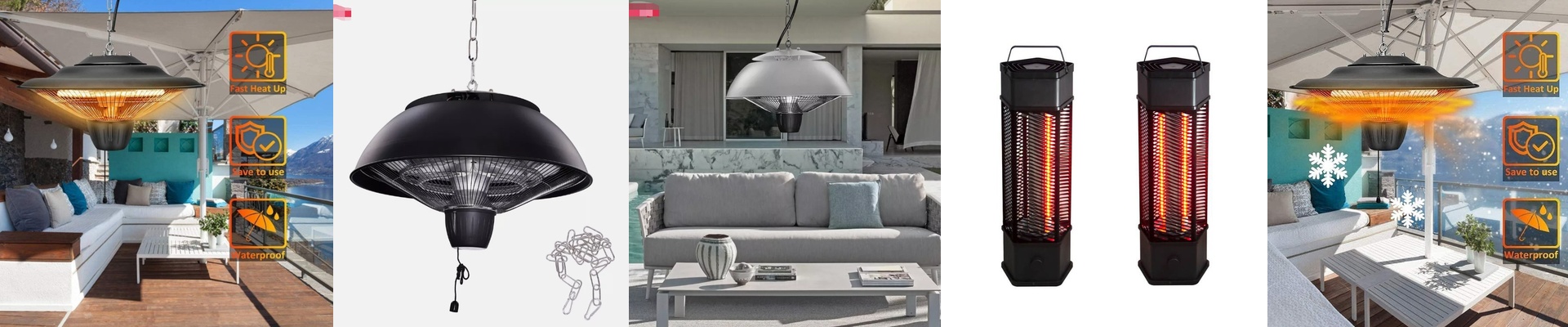
If you’re installing one of these, don’t just cram it into a tight ceiling spot. You need airflow. Even with explosion-proof glass, the heat density is intense. If there’s no room for the air to move, you’ll either fry your wiring or the thermal cutoff will keep tripping, which is a huge pain. Now, this kind of quartz costs more to make than the cheap stuff. It’s a bit of an investment. But when you’re standing in a steamy shower, that extra cost is the only thing standing between a cozy morning and a catastrophic glass failure.