Why we’re ditching old bathroom heat lamps for high-IP infrared
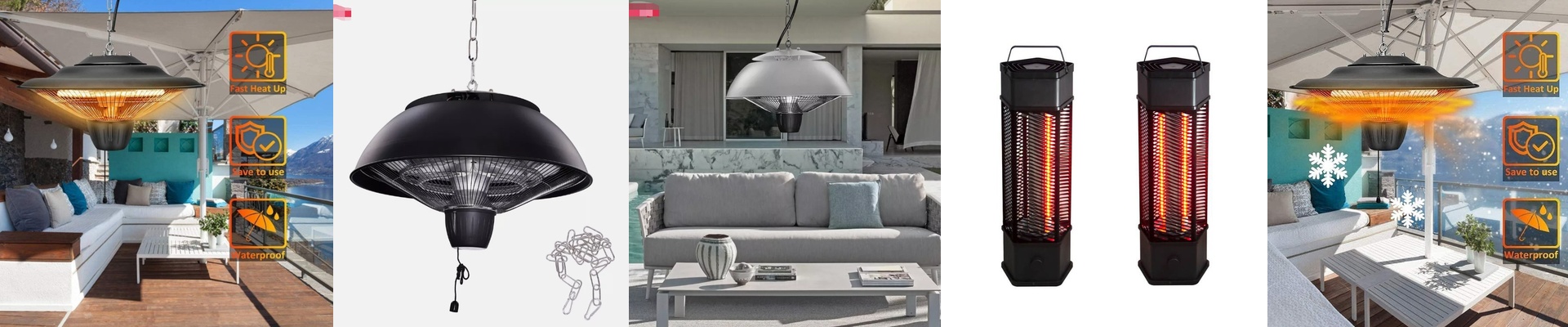
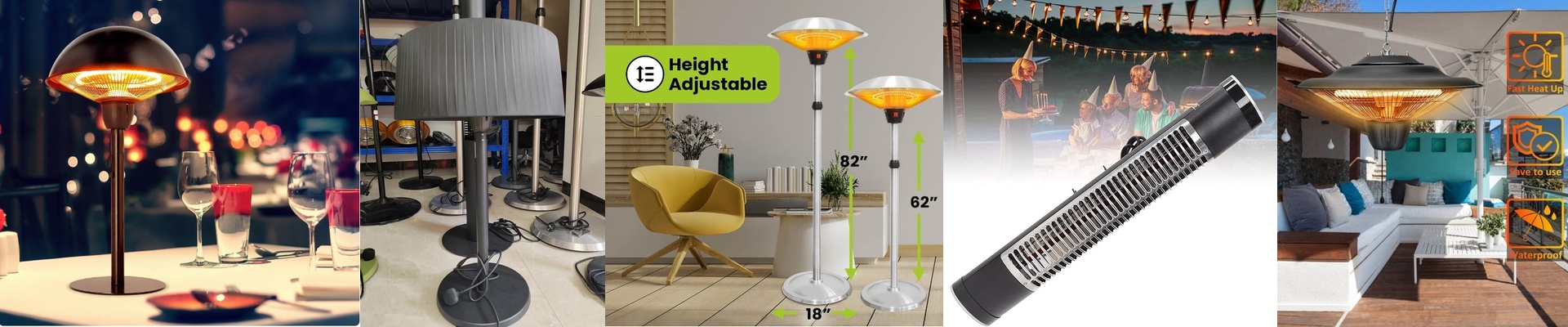
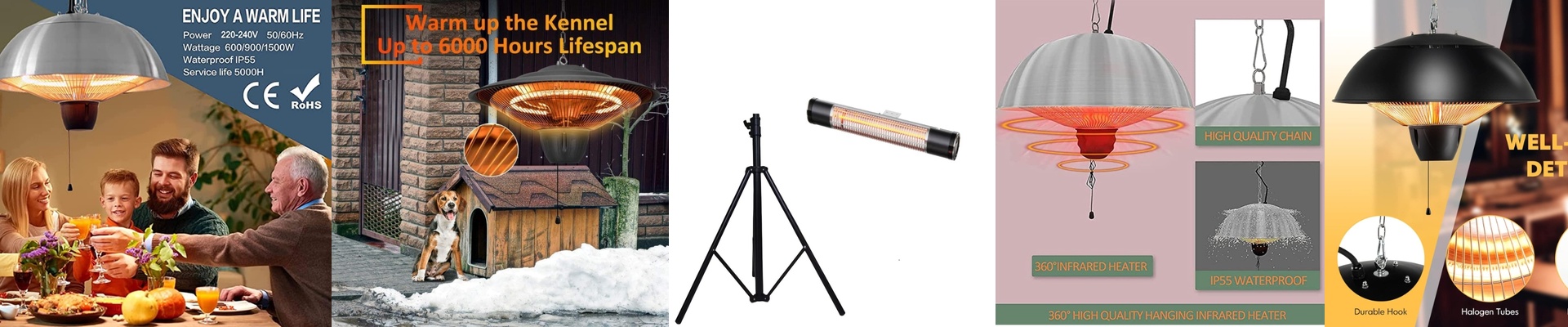
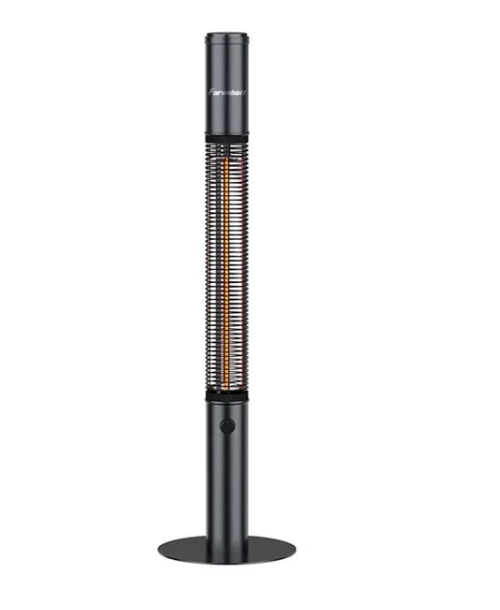
Ever stepped out of a hot shower into a bathroom that feels like a walk-in freezer? We’ve all been there. For years, we relied on those old-school light-bulb heaters. They’re basically just big incandescent bulbs that try to warm up the room. But here’s the problem: they waste a ton of energy and they absolutely hate moisture. That’s why we’re moving toward high-standard waterproof infrared heaters. They don’t bother trying to warm up the air—they just warmyou.
It’s all about how the heat moves
Think about it this way. Traditional lamps try to heat the air around you. In a steamy bathroom, that just makes everything feel thick and humid, and it takes forever to clear out. Infrared is different. It sends out short-wave radiation that travels straight through the air without heating it. The moment it hits your skin or the floor, it turns into heat. It’s instant. You feel it the second you flip the switch.
Dealing with the steam
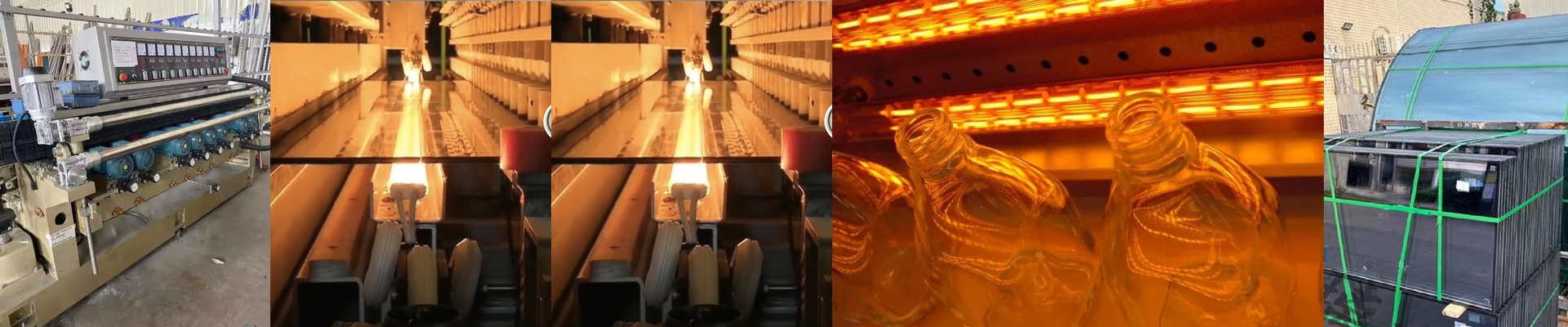
Bathrooms are basically moisture factories. Standard heaters usually give up the ghost because steam leaks into the housing, fries the wiring, or causes a short circuit. We use units with high IP (Ingress Protection) ratings. In plain English? They’re sealed tight. By keeping the water splashes and vapor out, we stop the internal electronics from corroding. It means the heater actually lasts, rather than burning out after a few months of heavy steam.
A few things to watch out for
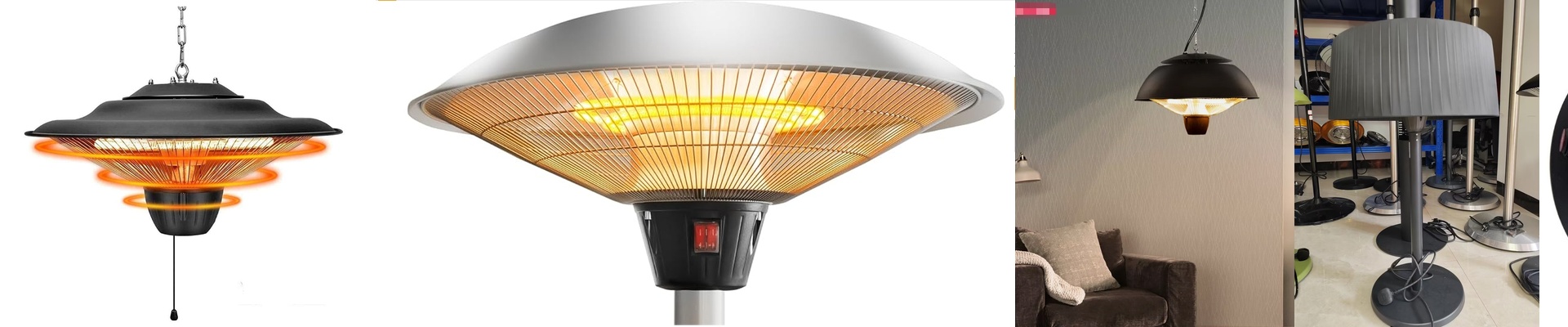
Now, these things pack a punch. Because the heat is so concentrated, you can’t just slap them anywhere. If you mount them too low, it can feel a bit too intense—or worse, you might overheat the materials on your ceiling. We always double-check the wattage and the mounting height to make sure the warmth spreads out evenly. You want a cozy glow, not a heat lamp for a reptile tank.
Getting them installed
The good news is that these are usually drop-in replacements. We use standard brackets, so they typically fit right into the holes your old fixtures left behind. One quick heads-up: these heaters draw a lot of power the moment they kick on. You’ll want to make sure your circuit breakers can handle the load for the whole bathroom. Otherwise, you might find yourself flipping the power switch back on every time you and your partner both try to get warm at once.