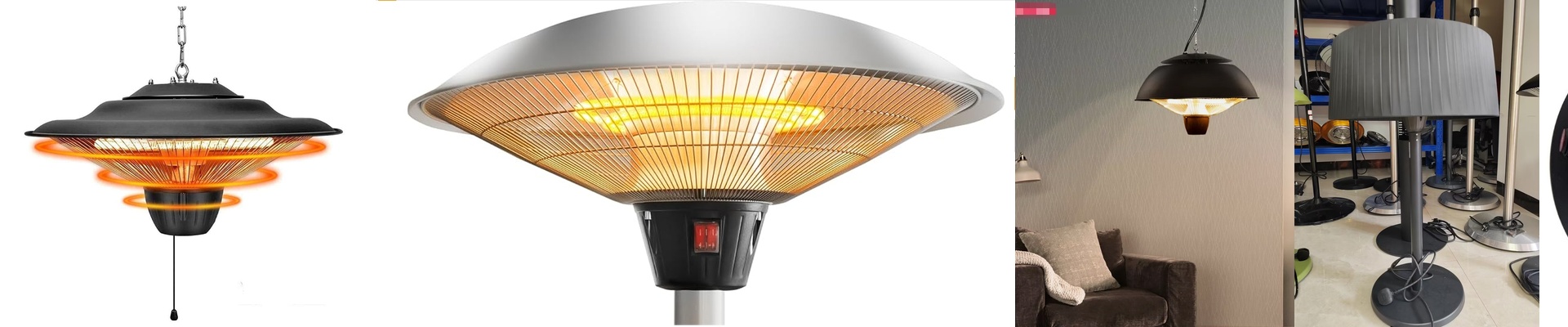
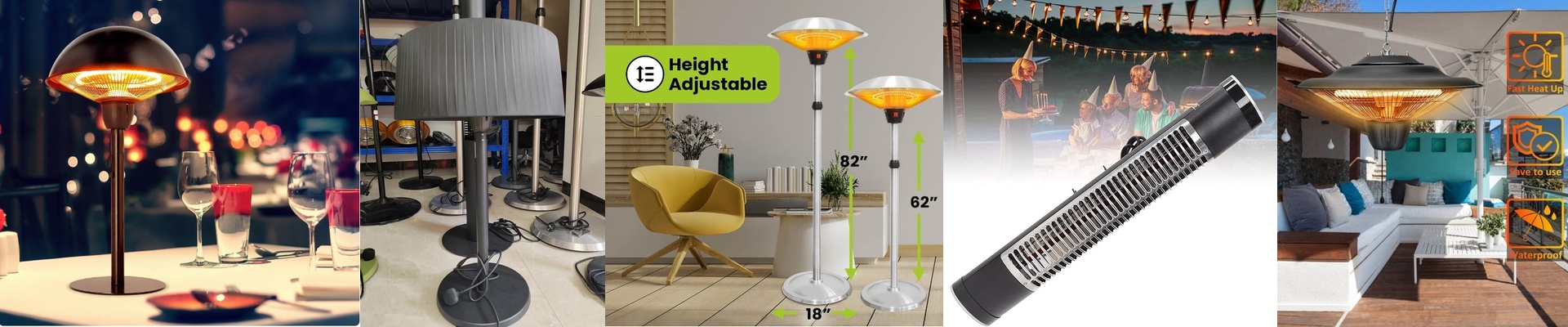
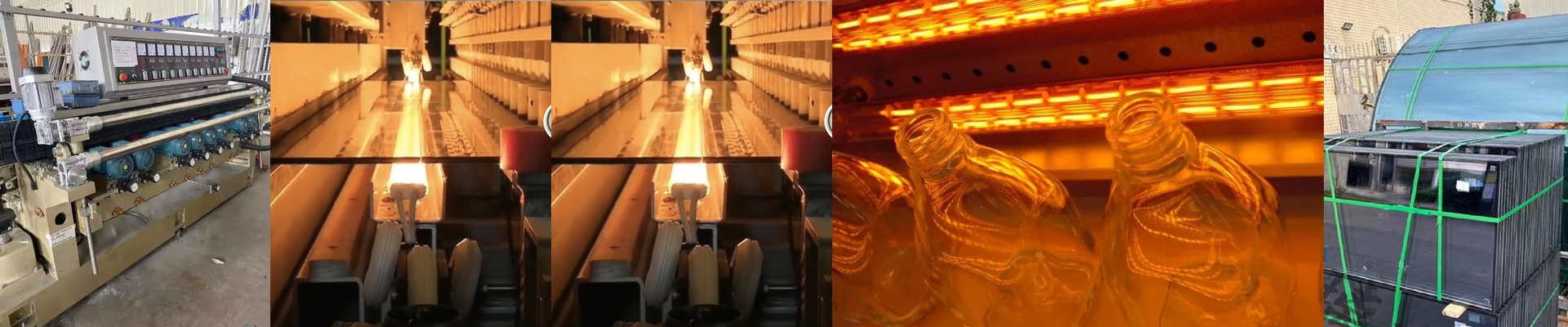
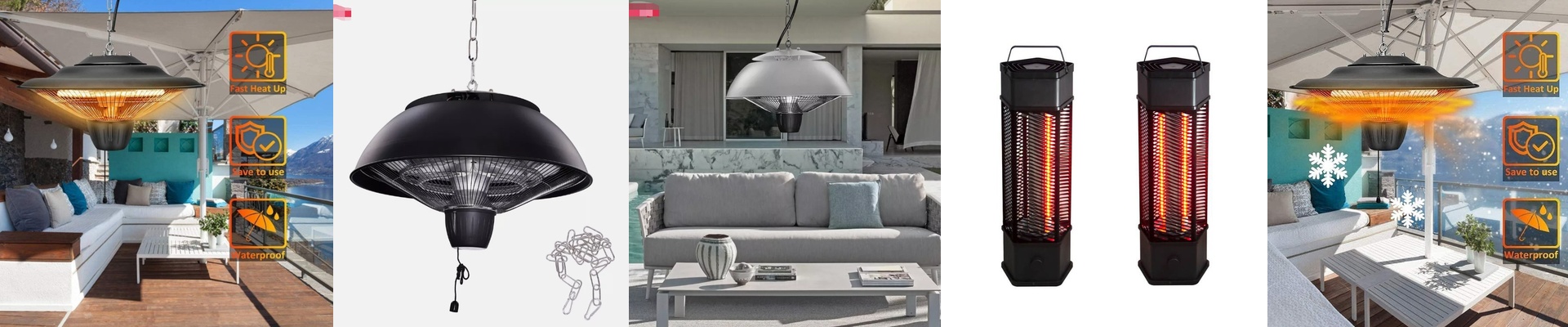
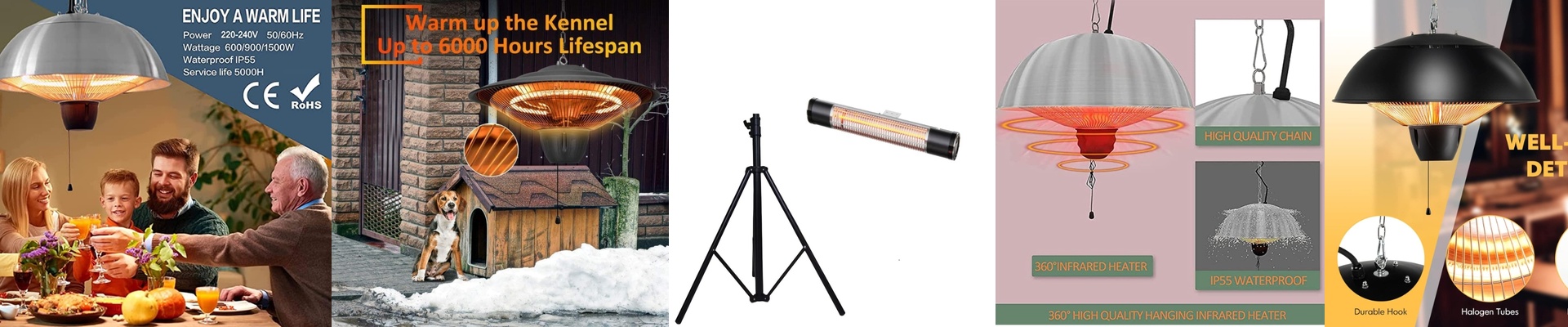
Stop Fighting Your Heaters: Why Modular IP65 Design Actually Matters
Most IP65 heaters are built like tanks. That’s great for keeping dust and water out, but it’s a total nightmare when something actually breaks. Imagine this: it’s five years in, a heating element finally gives out, and suddenly you’re spending your entire afternoon dismantling a massive housing or praying you don’t ruin a waterproof seal just to swap out one single tube. It’s frustrating. And it’s a waste of time.
The “Drop-In” Fix
We decided to do things differently. Instead of wiring every single element directly into the chassis, we made our infrared modules self-contained units. Think of it like a cartridge. You unscrew the brackets, unplug a quick-connect terminal, and slide the old module right out. It turns a grueling multi-hour ordeal into a few minutes of work. No fighting with gaskets. No stressing over whether you re-sealed the enclosure perfectly. You just swap the part, and you’re back in business.
The Trade-Off
Now, keeping that IP65 rating usually means everything has to be permanently sealed shut. To get around that, we split the heater into a “wet zone” and a “heat zone.” The outer shell does the heavy lifting for weather protection, while an internal rack holds the tubes. Does this make the unit a bit bigger? Yeah, by a few centimeters. But in my book, that’s a fair trade for not having to do a full teardown every time a part wears out.
A Word of Caution
Here’s the honest part: modular systems have more connection points than a hard-wired setup. And more connections can mean more places for things to go wrong if you use cheap parts. To stop things from loosening up as the metal expands and contracts with the heat, we use vibration-resistant, high-temp connectors. Just a heads-up—if you’re running these at max wattage in a really tight spot, keep an eye on your airflow. You want to make sure those connectors have room to breathe so they don’t overheat.