
Keeping Bathrooms Warm Without Blinding Your Kids
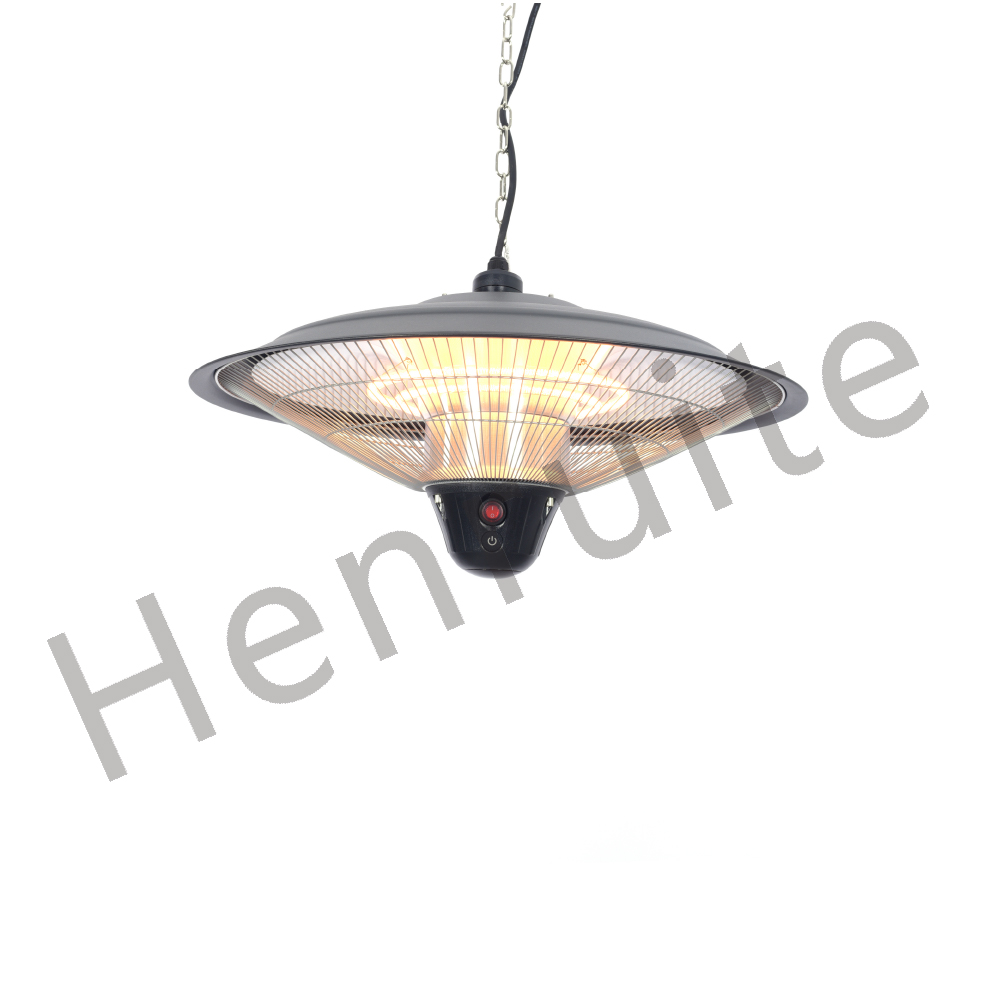
Designing a bathroom heater is a bit of a balancing act. You want that instant, cozy warmth to fight off the damp chill of a bathroom, but you don’t want the heater to feel like a landing strip light. Especially when you’ve got kids or babies around, the last thing you want is a blinding glare that’s hard on the eyes. Here is how we actually handle that. The “Anti-Glare” Trick Most infrared lamps throw out a huge range of light, and a lot of that is just bright, visible glare. It’s annoying, and it can be harsh. To fix this, we use special coatings or filtered quartz glass. Think of it like a pair of sunglasses for the heater. It blocks those sharp blue light peaks and the blinding brightness, but it lets the actual heat—the part that makes you feel warm—slide right through. The result? You get all the heat, but the lamp doesn’t look like a welding torch in your ceiling. Water, Heat, and the IPX5 Struggle Bathrooms are wet. That’s a given. To keep things from shorting out, we aim for an IPX5 rating. In plain English, that means you can hit the unit with water jets from any angle and it won’t quit on you. We make this happen with high-temp silicone gaskets and reflectors that won’t rust. But here’s the catch: when you seal something that tightly to keep water out, you also trap the heat inside. If you put a powerful heating element in a tiny, airtight box, you’ll literally melt the wire insulation. To stop that from happening, we use PTFE cabling—which can take a beating from the heat—and we design the housing to let the heat soak and dissipate naturally. One Quick Tip for Installation If you’re wiring these into your home, just a heads-up: IR elements are power-hungry. They don’t gently ramp up; they hit the grid with a massive spike of current the second they turn on. Do yourself a favor and put the heater on its own dedicated line. It saves you from the annoyance of tripping your breakers every time you want a warm shower.