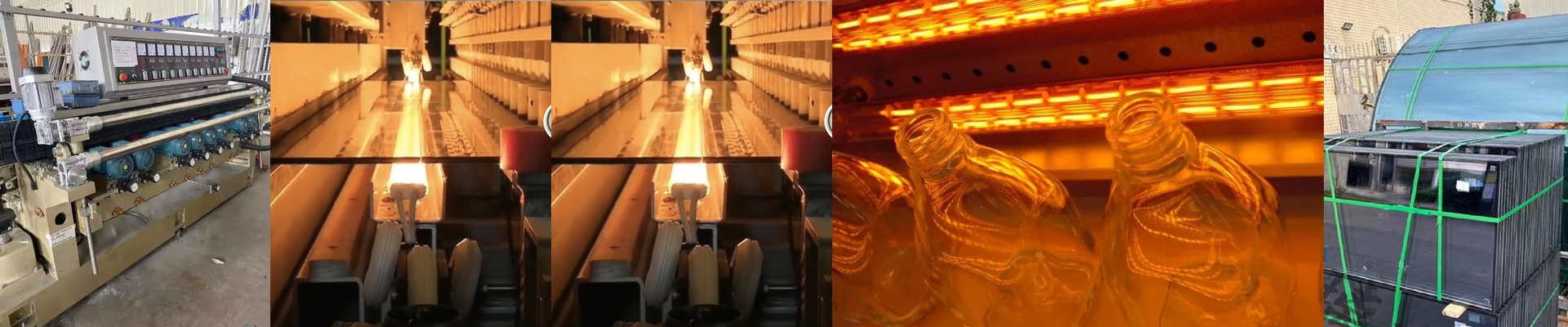



On the line, the kiln either pays for itself or eats your yield. Uneven heat shows up as optical distortion, thermal stress cracks, and bow that’s just plain out of spec. Operators end up chasing setpoints with quick fixes instead of getting the process under control. We put a digital control upgrade on glass kilns to break that cycle. What matters under the hood We swap analog ramp-and-soak for closed-loop control, using thermocouple feedback and PID tuning across multiple heating zones. You get ±1°C stability at the glass surface, repeatable ramp rates from 1°C/min to 20°C/min, and soak profiles that hold flat across the load. Power delivery is matched to the element type—quartz, halogen, or medium-wave—so emissivity shifts during coating drying or lamination don’t push you into overshoot. The interface keeps recipe libraries by product family: tempering, bending, EVA/SGP/PVB lamination, and insulating glass sealing. Cycle logs export for traceability, and alarms flag deviations before you make scrap. Why this lands on the floor In tempering, uniform temperature means a consistent quench and predictable compressive stress—fewer breakages and a higher first-pass yield. In bending, controlled sag kills waviness and edge roll, so the glass hits the mold the first time. For lamination and coating drying, the profile holds the polymer window without boiling solvents or delamination. Energy use drops because the control avoids wide swings and only holds what’s needed, and element life stretches out by cutting thermal shock. On high-throughput lines, faster ramps with stable soak shorten changeovers without giving up quality. Here is the practical side Installation is straightforward on most kiln platforms, but the retrofit has to match the existing element rating, voltage, and zone wiring. Commissioning is quick—tune PID per zone and calibrate sensors to the glass surface. Profile performance still depends on load density and airflow. Dense stacks or blocked convection create gradients the controller can only partly correct. Keep up with thermocouple verification and keep spare elements on hand—even tight control won’t fix aged, mismatched heaters.