


Making Industrial Radiant Heaters Actually Smart
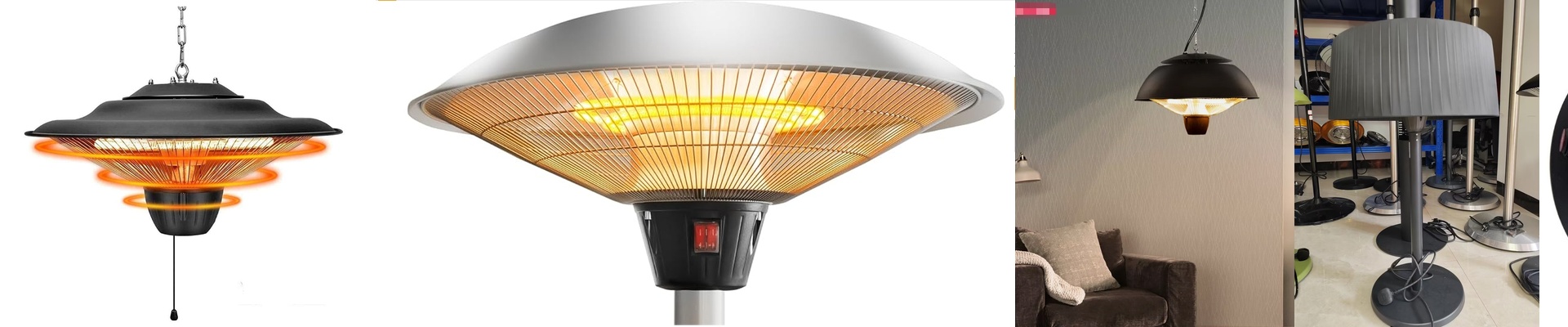
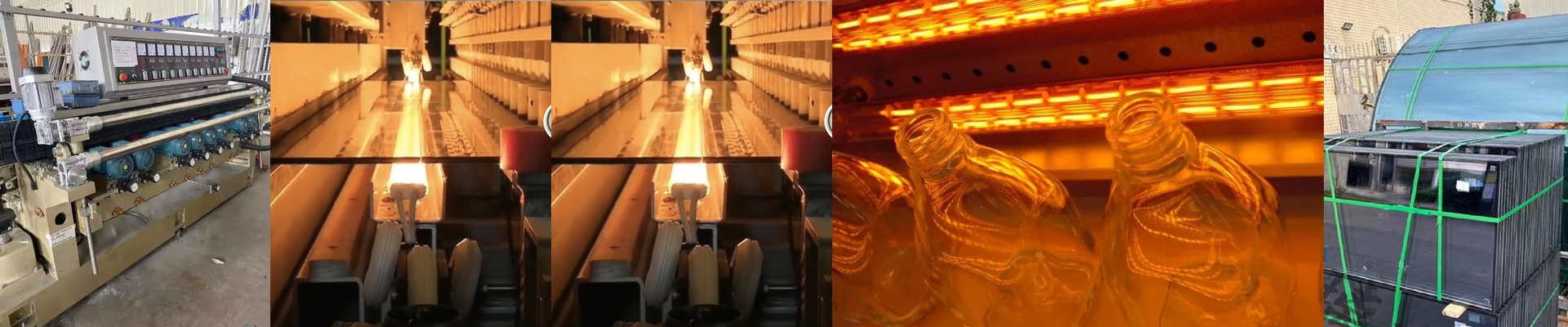
Most factory heaters just blow hot air around, which is a bit like trying to heat a room by warming up the ceiling. Radiant heaters are different. They send out infrared waves that hit you and your equipment directly. It’s that feeling you get when you step into the sun on a cold winter morning. When we hook these up to a smart system, the whole point is to kill that annoying lag you get with old boiler systems. No more waiting an hour for the place to feel livable. Heat that happens now We use short-wave or medium-wave elements because they’re basically “instant-on.” Since radiant heat moves at the speed of light, you don’t have to wait for air to circulate. By pairing these with smart relays or a PLC, you can trigger a blast of heat the second a sensor feels a chill or someone flips a switch. This means you can stop wasting money trying to keep a massive, empty warehouse warm all night. Just heat the spots where people actually are. The guts of the system Here’s the tricky part: you can’t just plug a massive industrial heater into a tiny smart switch. You’ve got a low-voltage signal trying to control a high-voltage load. To make that work without blowing something up, we use heavy-duty contactors or Solid State Relays (SSRs) to handle the heavy lifting. The real win here is zoning. You can map out your floor in a grid and only turn on the heaters right above the workstations. If nobody’s standing in Zone B, Zone B stays off. Simple. A quick warning on power There is a catch. These panels pull a lot of juice. If you set up a “one-click” command that kicks on twenty 3kW units at the exact same millisecond, you’re going to see a massive power spike. Most of the time, that just means you’ll be standing in the dark because you tripped the breakers. To fix this, we write a little bit of logic into the software to stagger the start-up. One unit kicks in, then another a few seconds later, and so on. It’s a small detail, but it saves a lot of headaches. Just make sure your electrical panel is built for the peak load, not just the average.