

Getting High Heat into Tiny Glass Repair Tools
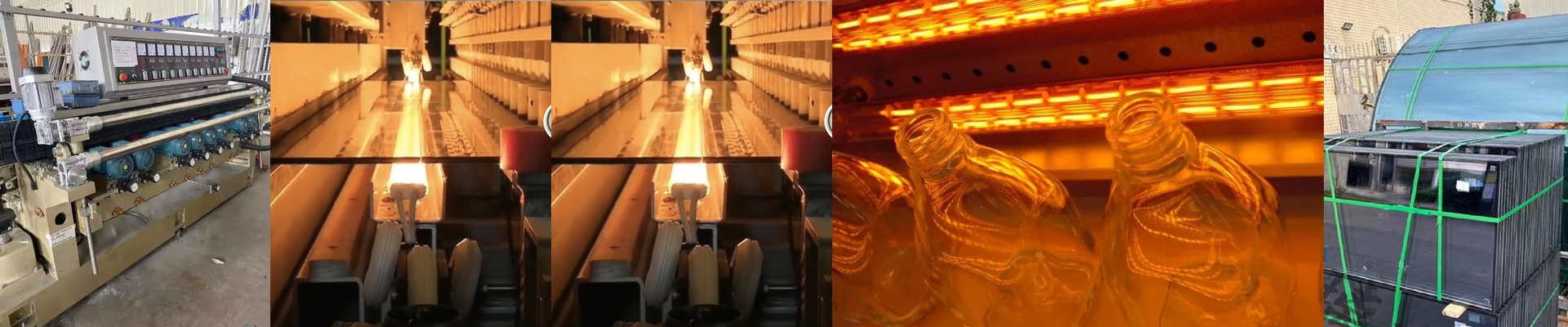
When you’re trying to build an infrared heater into a mobile glass repair bracket, you can’t just shrink down a factory furnace. It doesn’t work like that. You’re fighting for every millimeter of space and you’re stuck with limited power. If you want the glass hot enough to cure resin or reshape it without needing a massive, heavy power supply, you’ve got to go with miniaturized quartz halogen lamps.
The Struggle with Power and Space
Here’s the thing: in a mobile kit, you can’t exactly lug around a 3-phase transformer. It’s just not happening. Instead, we focus on elements that pack a lot of punch but run on standard portable power. We do this by shortening the tungsten filament and tweaking the diameter of the quartz tube. It concentrates all that heat into one small spot. The result? The heater hits its target temperature in seconds. But you have to be careful. If you push the wattage too high in such a small bracket, you’re basically building a toaster. Without proper vents or a good heat sink, you’ll fry your electronics before you even finish the first job.
Why Quartz Halogen?
We use high-purity quartz tubes filled with halogen gas. It’s a clever bit of chemistry that stops the tungsten filament from evaporating too fast. That means the lamp actually lasts, even when it’s running scorching hot. For this kind of work, shortwave IR is the way to go. It doesn’t just waste energy heating up the air around the tool; it punches right through the glass surface. We also keep the connectors compact. It keeps the wiring clean and makes it a breeze to swap out a lamp when one finally gives up the ghost.
Real-World Use (and the Catch)
This setup is what makes a handheld, mobile tool possible. You get industrial-strength heat in something that actually fits in your hand. But there is a catch. High-density quartz is fragile. Really fragile. If your bracket doesn’t have a way to soak up the bumps, the vibrations from driving to a job site will snap those filaments. I always suggest adding silicone dampeners to the mounting clips. It stops the tubes from rattling and saves you from a dead tool halfway through a project.