

Stop the Chips: Why We Preheat Glass Before Cutting
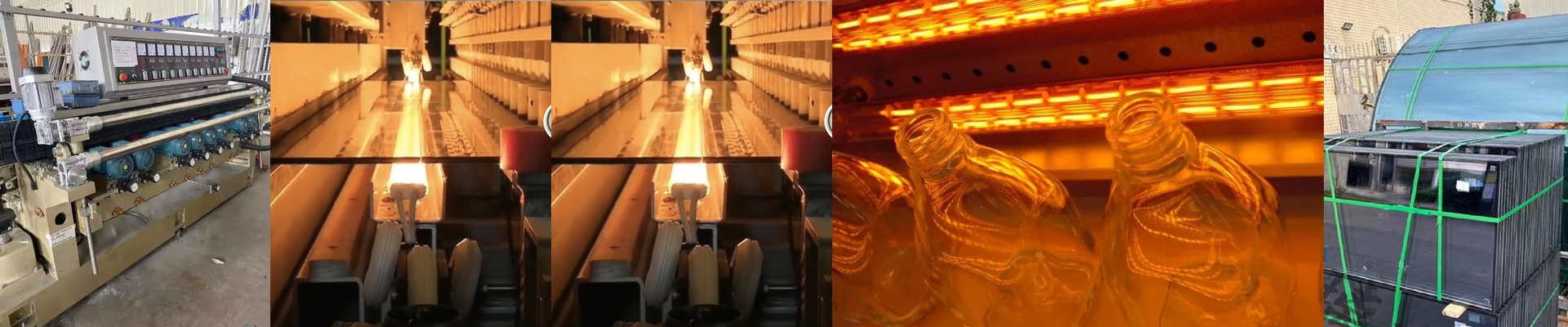
Cutting glass is basically a fight against stress. If you take a cutting wheel to a cold sheet of glass, you’re hitting it with a sudden mechanical shock. The result? Micro-fractures. In the real world, that looks like annoying chips and jagged corner breakouts that ruin a perfectly good piece. That’s why we use infrared (IR) preheating. We change how the glass behaves before the blade even touches it.
The logic behind the heat
At room temperature, glass is stubborn and brittle. By hitting the surface with targeted IR radiation, we warm it up. Now, we aren’t melting the glass here—we’re just relaxing it. When the glass is warm, the internal tension lets go a bit. The crack follows the line much more smoothly. You get a clean, crisp break. To make this work, we use quartz glass sleeves for the lamps. They keep the heating elements clean while letting that short-wave radiation blast straight into the glass.
Getting rid of the jagged edges
Without that heat, the energy from your cutting tool bounces around unevenly. That’s where those jagged edges come from. IR lamps fix this by creating a steady, uniform “heat footprint” right along the cutting line. If you’re working with thick glass or high-tension tempered sheets, this is where you’ll really notice the difference. The heat lets the material breathe and relax.
The catch (and how to handle it)
Look, it’s not a magic button. Adding IR preheating means your machine is going to pull more power and take up a bit more space on the floor. And you can’t just slap a lamp in there and call it a day. You have to get the distance between the lamp and the glass just right. If you overdo it, you’ll end up with thermal shock or warping, and then your measurements are shot. Plus, you’ll need a cooling system that can actually handle the extra heat building up around the cutting head. It takes a little tweaking, but the results speak for themselves.