The Balancing Act: Keeping Your Wine Glass Prints Sharp and Your Glass Strong
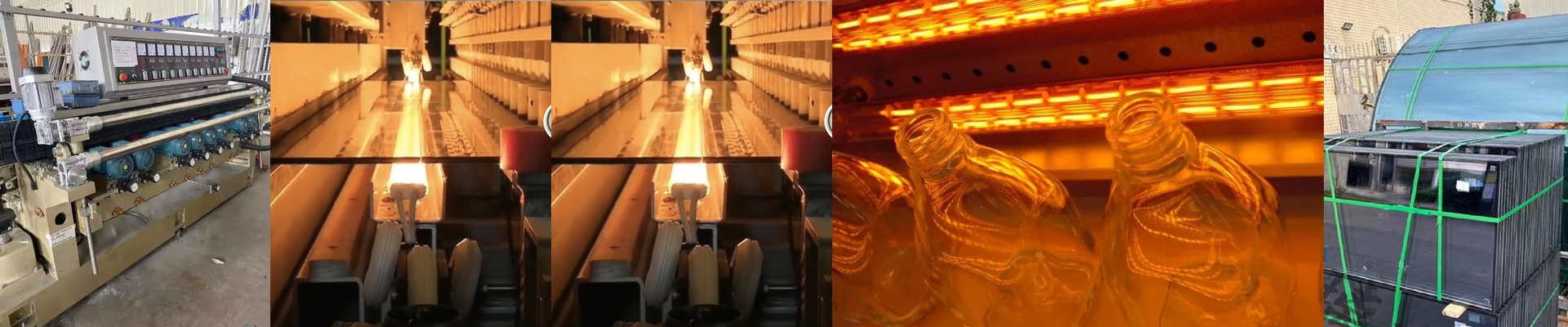
Here is the struggle when you’re silk-screening wine glasses: you’re fighting a war with heat. You need enough heat to cure the ink and stop the glass from stressing out (that’s the annealing part), but if you go overboard? Your crisp patterns start to blur and your glass can actually warp. It’s a thin line to walk. That’s why we lean on short-wave infrared (IR) lamps. They help us hit that sweet spot.
Why it’s tricky
Wine glasses are awkward shapes. You’ve got this thin, fragile stem that heats up in a heartbeat, paired with a bowl that has way more mass. If you just throw them in a standard convection oven, you’re asking for trouble. You’ll likely cook the ink into a smudge before the core of the glass even gets warm enough to stabilize. IR heaters are different. They go straight for the ink and the surface of the glass. By tweaking the wattage and the distance, you can control exactly how much heat is hitting the piece. The ink sets perfectly without bleeding, and the energy sinks deep enough into the glass to stop those random, spontaneous cracks from happening later.
The gear and the trade-offs
We usually go with high-density quartz halogen tubes. The best part? They’re instant. You aren’t standing around waiting for a giant chamber to warm up; you just flip the switch and go. But you have to be careful with your power density. Sure, a high-wattage setup is great for cranking out huge volumes, but it comes with a catch. If your glasses aren’t rotating or moving steadily on the belt, you’ll get “hot spots.” It’s all about the rhythm. If the conveyor is too slow, you burn the print. Too fast, and the glass stays stressed. You’ve got to sync your belt speed to the lamp’s output perfectly.
Making it work on the floor
When you’re wiring this into your line, don’t just use a basic on-off switch. Use SCR power controllers. They modulate the IR output so the lamps aren’t constantly clicking on and off. That constant cycling can cause thermal shock, and that’s how you end up with broken glass on your floor. One last pro tip: keep your reflectors clean. It sounds simple, but dust buildup kills your efficiency. When that happens, the lamps have to run hotter to do the same job, which just burns out your tubes faster. Keep them shiny, and your gear will last.