
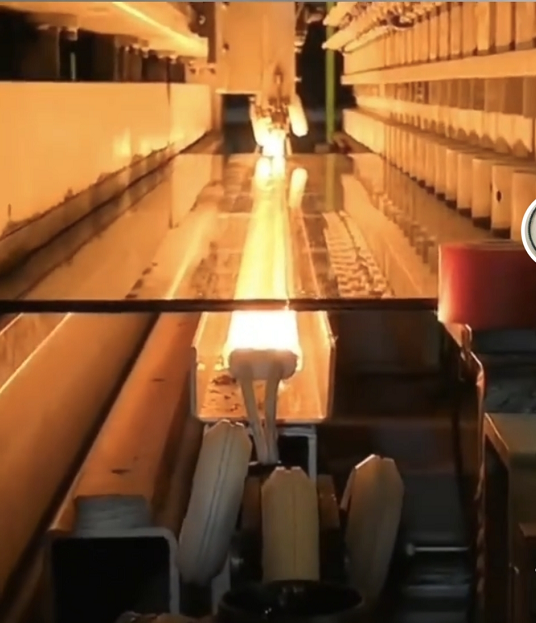
Stop Guessing With Your Glass Oven Lamps
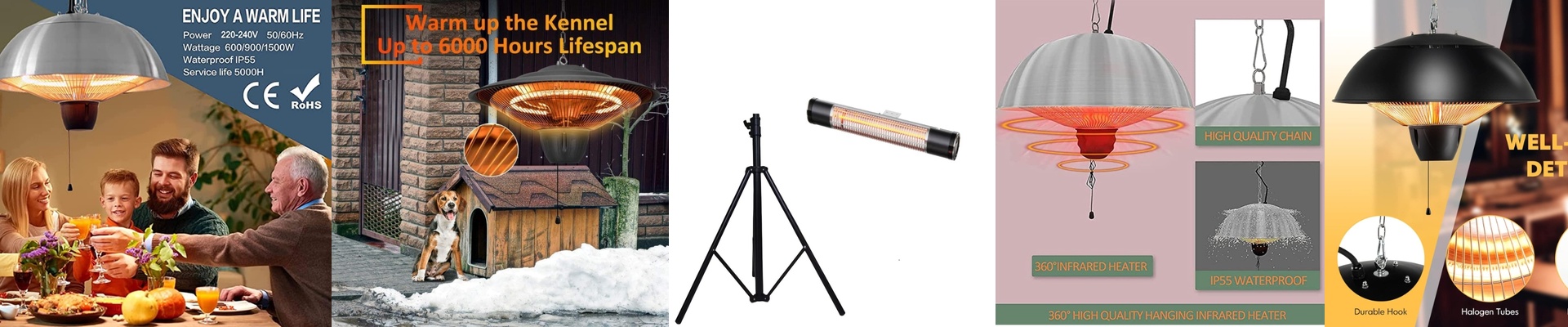
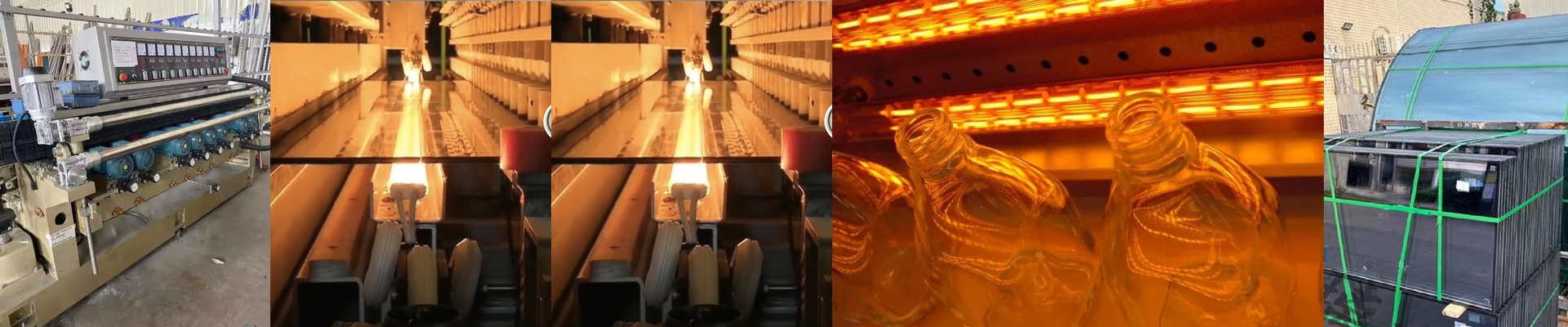
Buying a quartz lamp just because the part number matches? That’s a gamble. In the glass world, the line between a perfect melt and a stressed, ruined piece of work is razor-thin. It all comes down to how your lamps actually throw heat. We don’t just put tubes in a box and ship them. We look at your oven, find where the heat is missing, and fix that gap.
The Voltage Reality
Most glass ovens need a ton of power to get surfaces hot enough, fast. Whether you’re on a 230V or 400V system, that voltage choice dictates everything—from how much current you’re pulling to how thick the tungsten filament needs to be. High-voltage tubes are great for longer runs. They stop the voltage from dropping off, which means you get a nice, even strip of heat across the glass instead of hot spots and cold zones.
Quartz, Coatings, and Connections
We stick with high-purity fused quartz. Why? Because thermal shock is brutal, and the material has to take it. Depending on what you’re making, you might need to change how the glass absorbs energy. We can apply coatings to shift the emission. Shortwave heat digs deep into the material. Medium-wave stays on the surface. It’s all about where you want the heat to live. And don’t overlook the connectors—things like R7s or SK15. It’s not just about whether it fits in the socket. If the fit is loose, you get resistance. Resistance leads to overheating. And overheating leads to a burnt-out lamp way sooner than it should.
The Balancing Act: Speed vs. Life
Here is the trade-off: if you crank up the wattage to push more product through the door, you’re stressing that filament. You’re essentially trading the lifespan of the lamp for a faster cycle. It works, but you have to be careful. If you go for maximum intensity, your cooling fans have to be on point. If they can’t move the ambient heat away from the wiring, your insulation will eventually just give up. That’s why we prefer to come on-site. A lamp is only as good as the reflector it sits in and the distance to your glass. We’re here to make sure the whole system actually works, not just the bulb.