


Why Your Wet Room Needs Infrared Heat (And How to Do It Right)
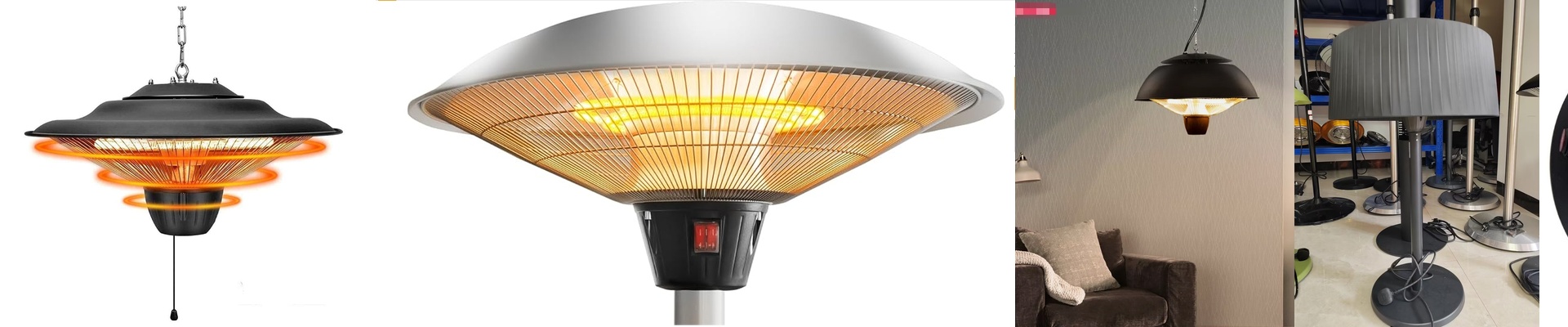
If you’ve ever tried to heat a changing area or a wet room with a standard convection heater, you know it’s a losing battle. Those heaters try to warm the air, but in a damp room, that air just moves too fast. The heat vanishes before you even feel it. That’s why we stick with short-wave infrared. It doesn’t care about the air. It just heads straight for the target—the person. You step in, and you’re warm. No waiting around for the room to slowly soak up the heat while you’re shivering in a towel. It’s instant. Dealing with the Damp Water and electronics are a nightmare pairing. To keep things from blowing up, we use the IP44 standard. In plain English? It means the housing is tight enough to keep out anything larger than 1mm and can handle splashes coming from any direction. We seal the junctions and use moisture-resistant gaskets so condensation doesn’t sneak in and short out the terminals. Whether it’s a poolside area or a locker room, this keeps the unit from burning out just because the air is heavy with steam. How it Actually Works These heaters use quartz elements. They hit their peak temperature almost the second you flip the switch. Think of it like the sun. You don’t wait for the atmosphere to warm up to feel the sunlight on your skin; you just feel it. There’s no heavy oil or metal that needs to heat up first. You just step into the beam and feel the warmth immediately. A Few Things to Keep in Mind Here’s the catch: high-wattage infrared arrays pull a lot of power. You’ll want to make sure your breakers are sized correctly, or you’ll be dealing with annoying trips during that initial power surge. And while IP44 is great for splashes, these aren’t submarines. Don’t mount them where a high-pressure jet spray can hit them directly. One last tip: keep an eye on the lens. Dust and mineral buildup from the water can block the heat, which kills your efficiency. A quick wipe-down every few months is all it takes to keep things running hot.