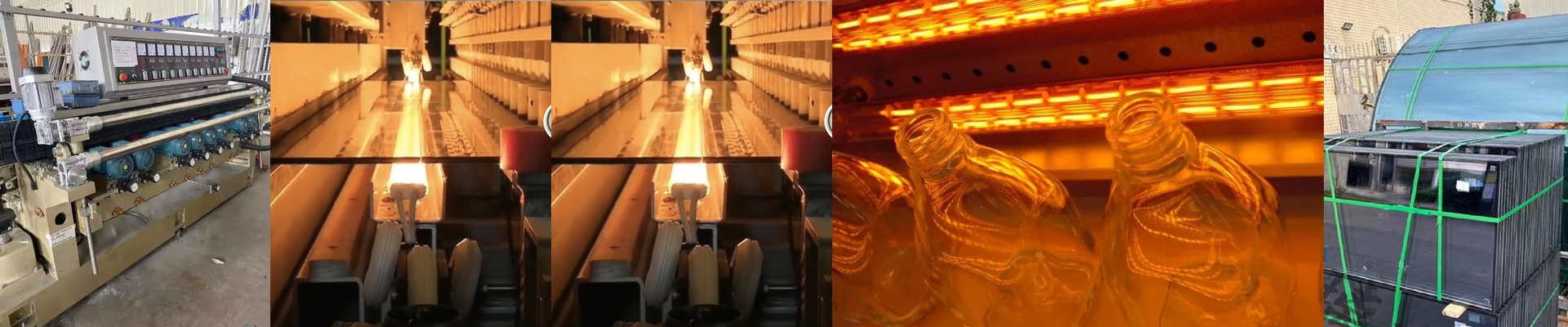
Getting Your Heat Right on 3-Meter+ Low-E Preheating Tunnels
If you’re working with wide-format Low-E glass, you already know the headache. Standard infrared lamps just don’t cut it once you go past 3 meters. You start seeing these annoying cold spots, or worse, the glass hits a thermal shock and cracks. It’s a nightmare. We handle this by building long-span infrared units that actually fit your tempering line’s footprint, rather than trying to force a generic part to work.
The struggle with length and power
You can’t just stretch a filament and hope for the best. If you do, the heat drops off as you move across the glass. To stop that from happening, we dial in the wattage and voltage so the heat stays steady from edge to edge. We usually go with high-wattage quartz tubes. Why? Because they fight off that dreaded voltage drop you get with long runs. You get a punchy, concentrated heat that sinks into the Low-E coating without scorching the edges of your sheet.
The gear that actually lasts
Long spans put a lot of physical stress on the equipment. That’s why we use heavy-wall quartz glass—it’s tougher and can take the strain. Here’s the tricky part: Low-E glass loves to reflect infrared energy. It basically bounces the heat right back. To fix that, we add specific coatings to the tubes. This shifts the wavelength so the glass actually absorbs the heat instead of fighting it. And because we know these machines run 24/7, we use industrial-grade connectors. No one wants to be calling a technician at 3 AM because a connection burned out.
A few things to keep in mind
When you’re pumping out that much heat over a 3-meter area, your tunnel housing takes a beating. It gets hot. Really hot. The ramp-up speed is great, but you have to make sure your ventilation can keep up. If your exhaust isn’t pulling that ambient heat away from the lamps, your filaments are going to die early. It’s a simple fix, but it’s often overlooked. One last tip: go with independent zoning controls. It lets you tweak the heat at the edges separately from the center. It gives you way more control over the final result.