Stop Losing Money to a Cold Breeze
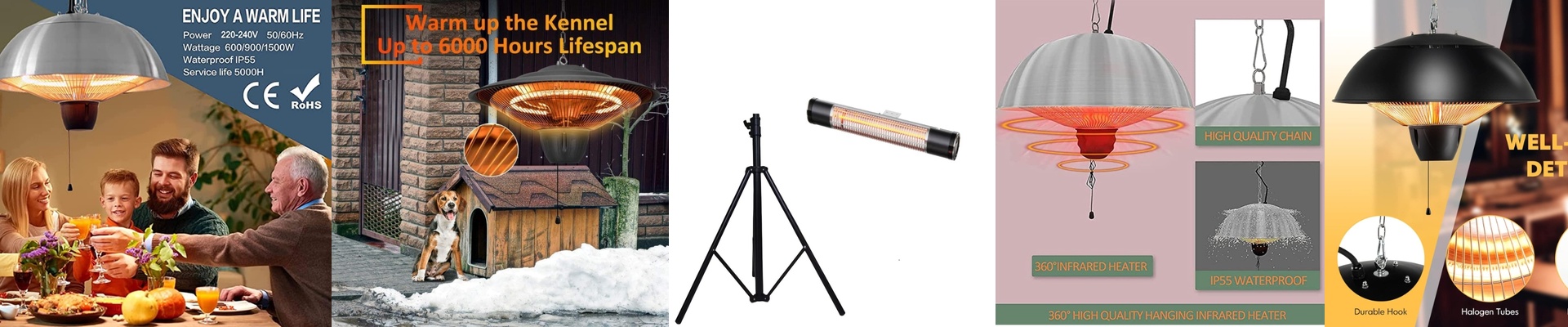
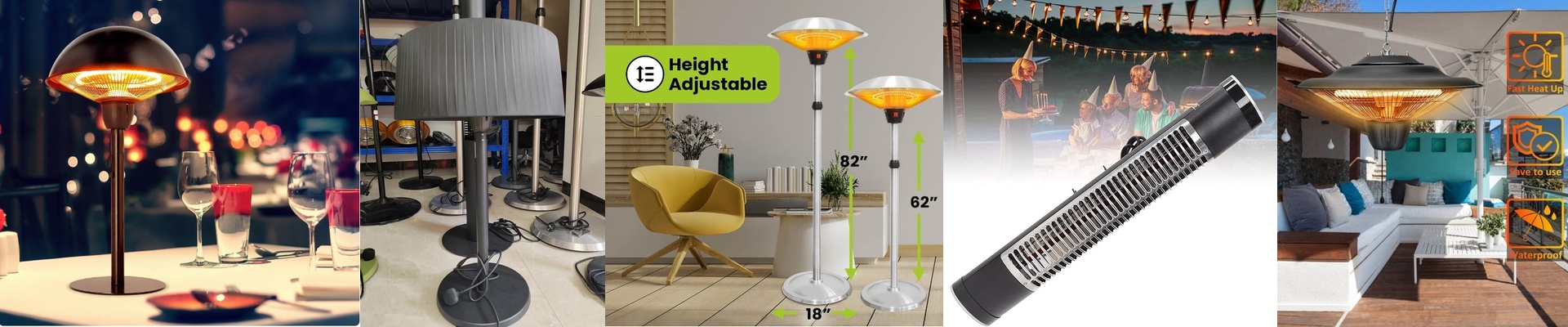
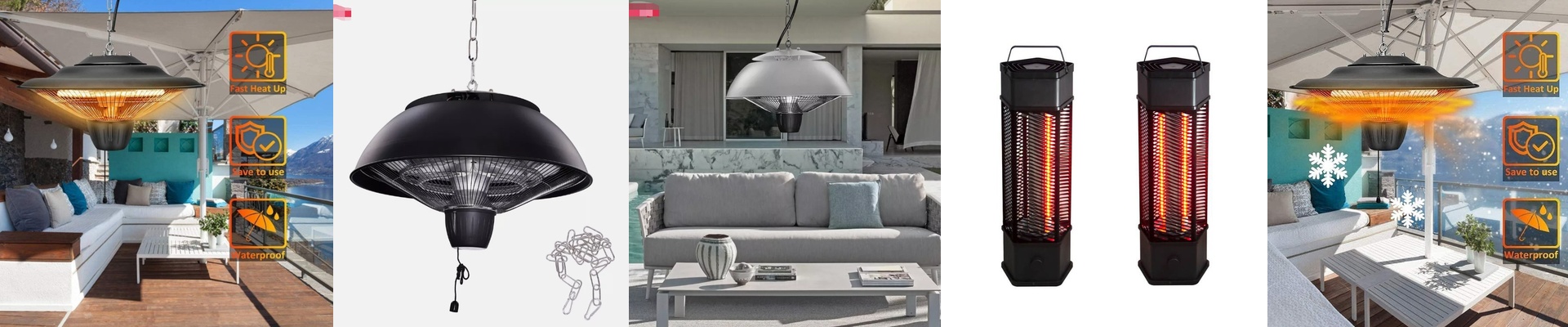
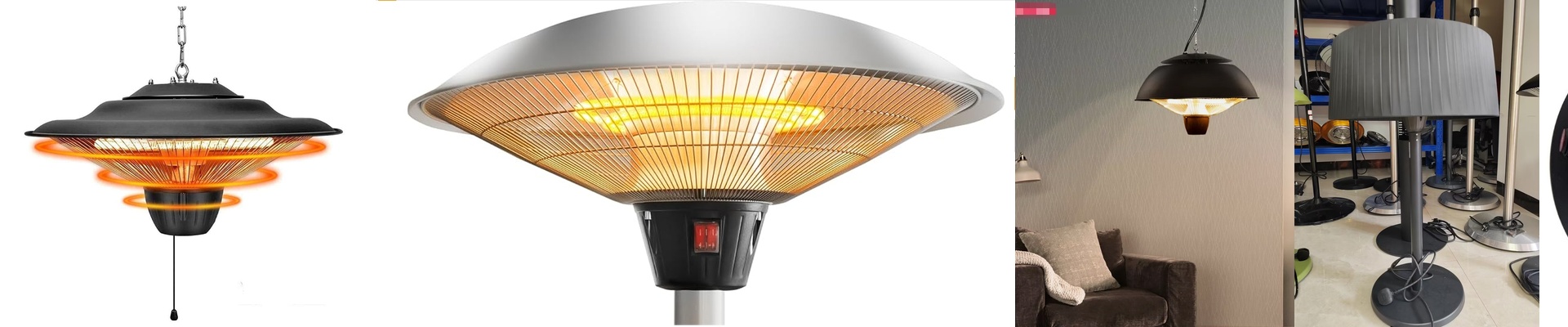
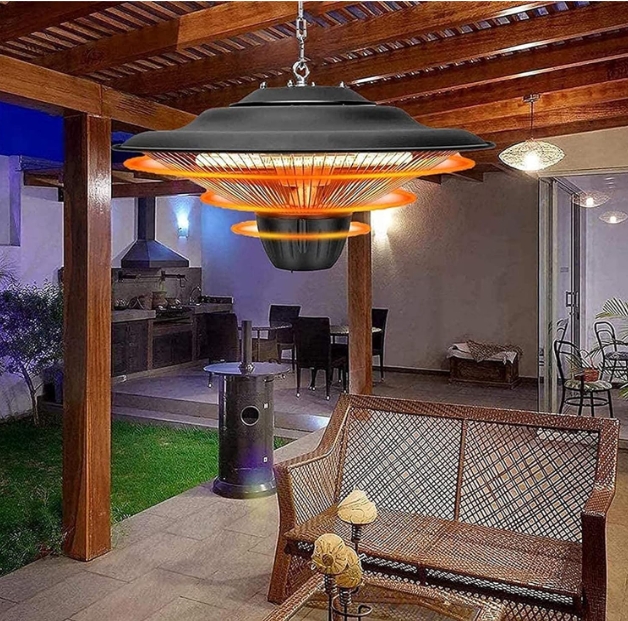
It’s a frustrating sight for any restaurant owner: a perfectly good table sitting empty because it’s just a little too chilly outside. When a customer looks at your pergola and thinks, “I’d love to sit there, but I’ll freeze,” you’re losing money. That’s why we build waterproof infrared heaters specifically for these setups. The big difference here is how they actually work. Most heaters try to warm up the air, which is a losing battle outdoors because the wind just blows the heat away. Infrared is different. It goes straight for the people and the furniture. It feels like standing in a patch of sunlight on a crisp October morning. Warmth, instantly. The nitty-gritty on the heat To actually make a pergola usable in the dead of winter, you can’t mess around with weak heaters. You need real power. We use high-wattage elements that kick in the second you flip the switch. This creates a “warm zone” that actually holds its own, even when the wind picks up. Since these are built for commercial use, they can run all night without burning out. Plus, you can hook them up to a central controller, so you aren’t constantly running outside to tweak the temperature. Built to take a beating Let’s be honest: outdoor gear gets hammered. Rain, humidity, and dust are basically designed to kill electronics. A cheap heater might last one season, but it’ll be a paperweight by next year. We use IP-rated housings and sealed connections to keep the guts of the machine dry. The heating elements are tucked inside tough quartz or coated glass. This means they won’t corrode, and they won’t crack when the weather swings from freezing to warm in a matter of hours. Is it worth the investment? When people are cozy, they stay longer. And when they stay longer, they order another round of drinks or a dessert they weren’t planning on. It turns your patio from a “seasonal” spot into a place that makes money every single day of the year. One heads-up, though. These aren’t “plug-and-play” gadgets. Because they pack so much punch, they draw a lot of power. You can’t just plug these into a standard wall outlet and hope for the best. You’ll need to check your circuit breakers and wire gauges to make sure your electrical panel can handle the load. If your wiring is old or thin, you’ll want to get that sorted before the heaters go in. It’s a bit of extra work upfront, but it’s the only way to do it safely.