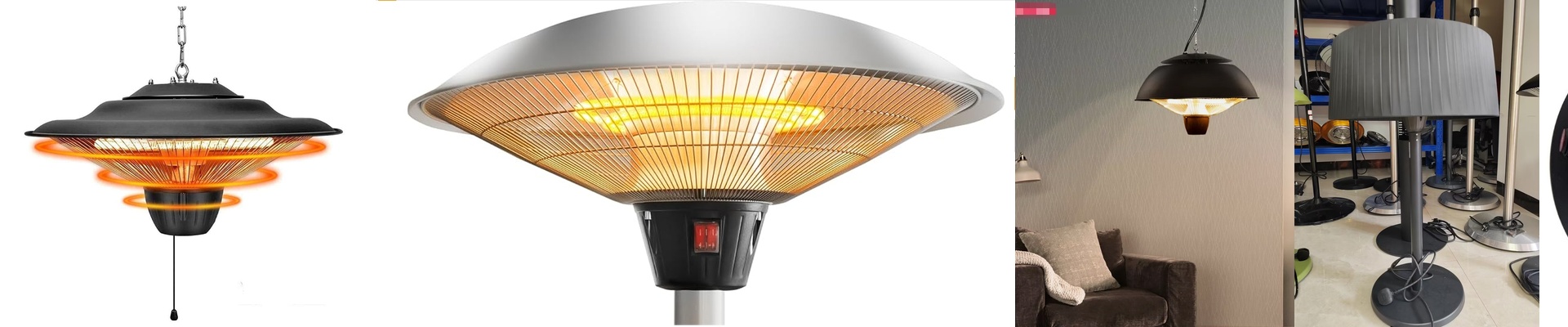
Stop Messing Around with Single IR Tubes
Most of us start the same way: you buy a few infrared lamps, wire them up, and just hope the heat hits the right spots. But if you’ve been doing this a while, you know the headache. You end up with these annoying hot spots in some areas and cold gaps in others. It’s frustrating. That’s why we stopped just selling parts and started building curved heating modules.
Why the Module Approach Actually Works
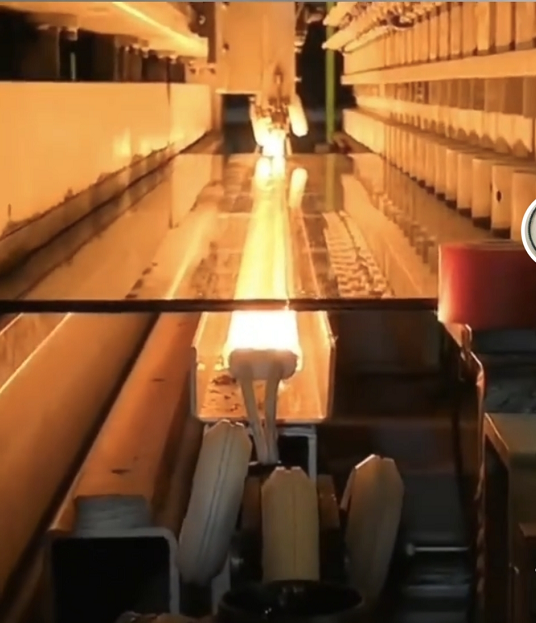
Think of it this way. A single lamp is just a piece of hardware. A module is a system that actually does the job. We take those lamps and curve them to match the actual shape of your part. By hugging the contour of the workpiece, we cut down the gap between the heat source and the metal. Less space means less heat escaping into the air and a much faster ramp-up. Plus, we handle the bending and the mounting. You don’t have to send your team into the shop to spend an entire afternoon fighting with brackets and alignment tools. You just drop it in.
The Real-World Trade-offs
Here’s the thing about high-density heating: it’s a balancing act. If you want that heavy punch for rapid annealing, you need high-wattage lamps. But that puts a lot of stress on your electrical setup. Sure, you can run high-voltage arrays to keep the wiring slim, but then you’re dealing with tougher insulation requirements. And don’t forget the cooling. Your blowers need to be sized for the total output. If the airflow isn’t balanced across that curve, the ends of the module will fry long before the center does. It’s a common mistake, but a costly one.
No More Guesswork
We built these to be turnkey because, frankly, nobody likes manual wiring. Instead of having a technician wire every single lamp and pray the connections hold, you just plug in a module we’ve already tested. It takes the anxiety out of the process. You get a steady thermal profile for every single batch. No more tweaking your PID controllers every time a lamp burns out and needs replacing. It just works.