Getting the Heat Right with Clear Quartz
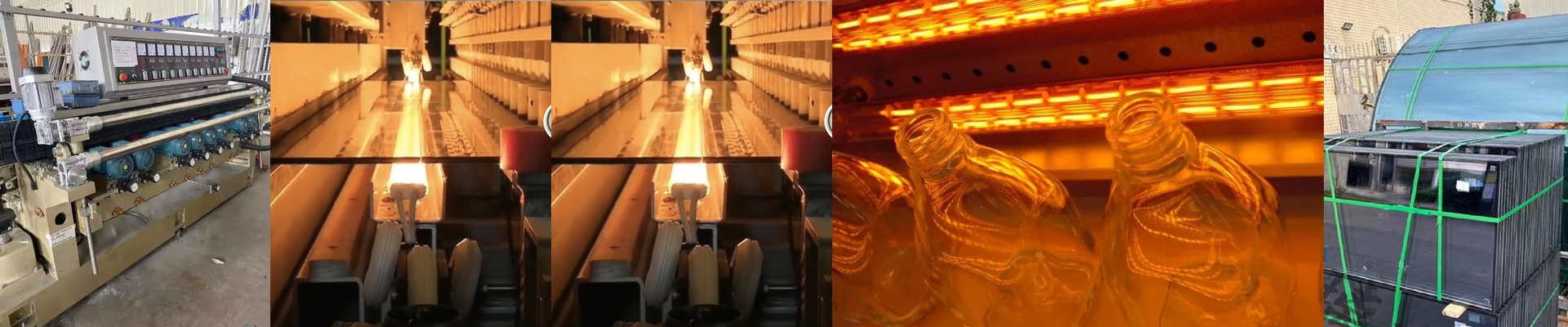
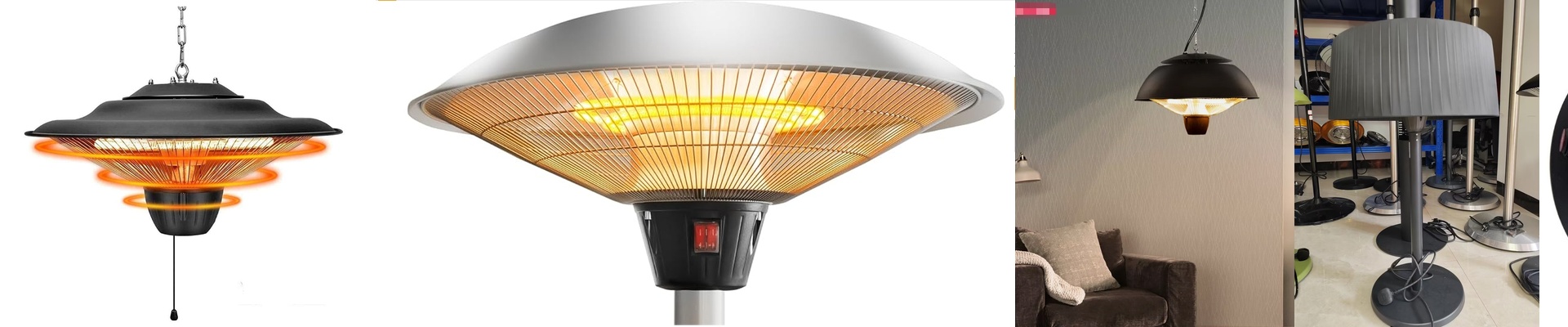
If you’re developing new glass materials, you’ve probably realized that “off-the-shelf” heating lamps just don’t cut it. Most tubes just blast heat evenly across the board. But in a lab, that’s rarely what you actually need. Usually, you’re looking for a specific thermal gradient to see exactly where a material stresses or how it shifts phases. We don’t just tweak the size of the tube. We actually redesign how the power is spread across it. Mapping the heat Standard tubes have a habit of peaking right in the center. For real research, that’s a problem. We fix this by changing how the filament is wound and spaced. Think of it as creating a custom thermal map. We can cram the wattage into one tiny, intense zone or flatten everything out so you don’t get those annoying hot spots that crack your samples. It’s about putting the energy exactly where it needs to be. The physics bit We stick with high-purity clear quartz. Why? Because it lets short-wave infrared radiation pass right through. Instead of just scorching the surface, the energy actually gets into the material. One thing to keep in mind: when we vary the power density, the voltage drop across the filament shifts. You’ll want to make sure your power supply can handle those swings, or you’ll end up burning out your filament way sooner than you’d like. The trade-offs Having total control over your heating zone is great, but it isn’t magic. There’s a catch. Those high-density zones create some seriously intense local heat. If you aren’t cooling the quartz envelope properly, you’re asking for trouble. Just make sure your airflow or water-cooling jacket is lined up with the peaks of the tube’s power. We build these for the engineers who are tired of guessing. You tell us the temperature curve you need, and we build the filament to match it. It takes the guesswork out of the equation and lets you focus on the actual chemistry of your glass.