Getting Low-E Glass Heating Right (Especially When It’s Wide)
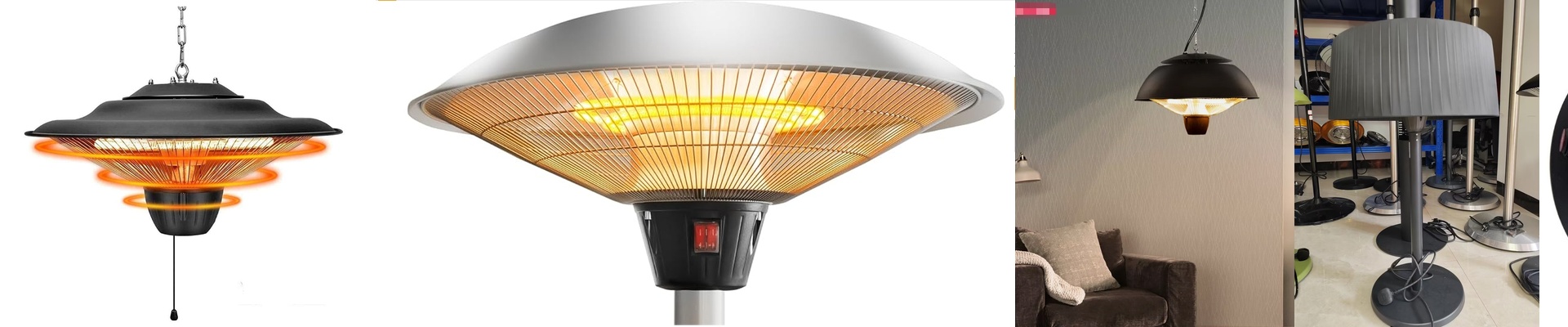
If you’re trying to preheat wide-format Low-E glass, you know the struggle. You need a thermal profile that’s dead flat across the whole surface. But once your production line hits that 3-meter mark, the standard lamps you buy off the shelf just stop working. They can’t keep up. That’s why we build custom continuous infrared units. We’re basically solving the “cold spot” problem that plagues wide-width bending and tempering lines.
The Headache of Long Tubes
Scaling a heating element up to 3 meters or more isn’t as simple as just making it longer. You run into voltage drops and the risk of thermal expansion. Here’s the thing: a longer tube means more resistance. To keep the wattage consistent every single centimeter, we have to get picky about the filament diameter and the voltage, matching it exactly to your power grid. We use high-purity quartz to keep the heat density uniform from one end to the other. Because if you just cram too much wattage into a long tube without the right support? The quartz sags. And once it sags, your focal point shifts, and your heating is ruined.
Dealing with Low-E Coatings
Low-E coatings are tricky because they reflect a huge chunk of infrared energy right back at you. It’s like trying to heat a mirror. To get around this, we use shortwave or medium-wave emitters. These actually penetrate the glass substrate instead of just bouncing off the surface. We also wrap everything in heavy-duty quartz envelopes. These things are built to take a beating in a loud, gritty industrial shop. Plus, we use reinforced connectors so you don’t have to worry about burnouts during thermal cycling.
The Reality of Installation
When you’re dealing with units over 3 meters, you’re dealing with a massive amount of heat. You can’t just squeeze these into a tight frame and hope for the best. We design the mounting brackets to let the metal breathe and expand linearly. If you don’t, the quartz will simply snap as it heats up. And one more thing—these high-output arrays put off a lot of waste heat. You’ll need to make sure your cooling blowers and vents are actually up to the task. If the ambient temperature climbs too high, your control electronics are going to fry.