


Why we don’t just ship you a box of lamps
Here is the truth: selling a short wave quartz lamp as a standalone part is a mistake. A lamp is just a piece of hardware. What you actually care about is getting your workpiece to a specific temperature without scorching the material or bleeding money through your power bill. That’s why we don’t just mail you a tube and wish you luck. We send our engineers to your floor to actually see what’s happening.
The grit of short wave energy
These lamps run incredibly hot to get that radiation in the 0.76 to 2.5 $\mu$m range. We use high-purity quartz because it’s the only thing that won’t melt under that kind of stress. When we’re figuring out which lamp you need, we look at the wattage-to-length ratio. A high-density tube hits hard and fast, but it puts a massive strain on your power supply. If your voltage dips, your heating cycle drifts. It’s frustrating. It’s inconsistent. That’s why we check your actual line voltage before we recommend a replacement. It keeps the lamp from burning out way before its time.
The trade-offs: Halogen and connectors
We usually lean on halogen cycles to keep the filaments alive longer. The gas basically pushes the tungsten back onto the filament, which keeps your light output steady. For the connections, we use R7s or Sk15 bases. They usually slide right into most industrial ovens without a fuss. But there’s a catch. These connectors can fail if your housing isn’t vented properly. If heat builds up at the socket, it’ll melt the insulation. Not pretty, and definitely not safe.
Real-world application
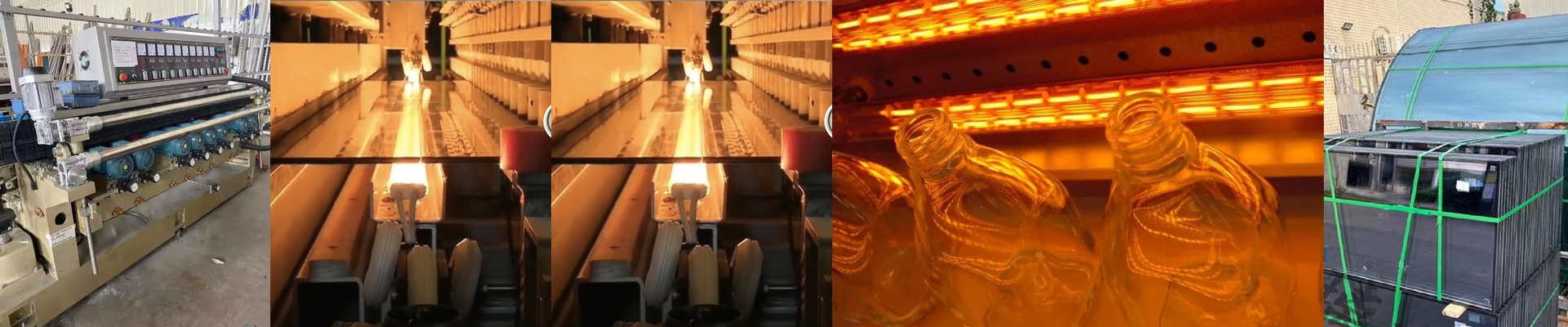
If you’re running PET blowing or curing lines, distance is everything. Seriously. Moving a lamp just two inches closer can spike your surface temperature by 20°C. We like to diagnose your current thermal profile first. Often, you don’t even need a higher wattage lamp—you might just need to tweak the reflector angle. Too many plants over-spec their wattage and then try to fix it by cycling the power. That’s a recipe for killing your filament. We’d rather fix the geometry first and let the equipment actually breathe.