Getting the Heat Right: Gold-Coated IR Lamps for Glass R&D
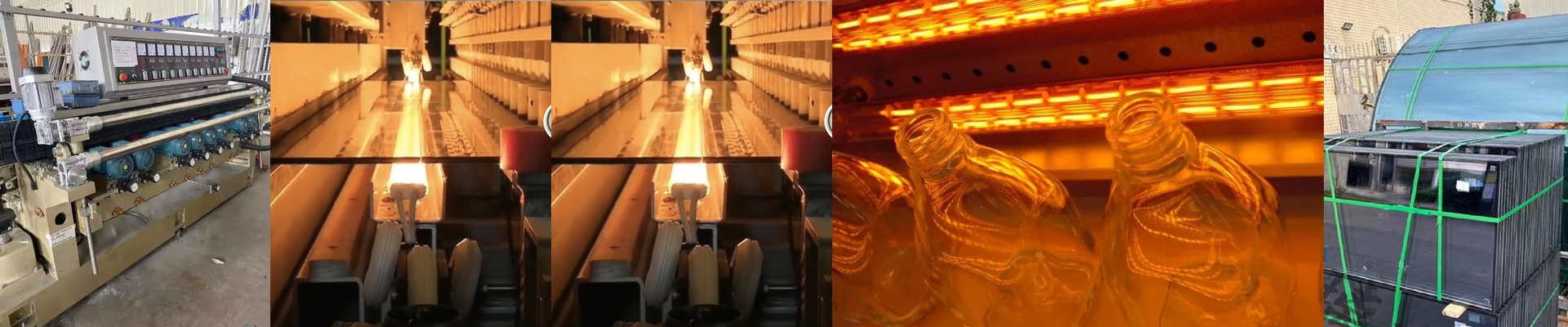
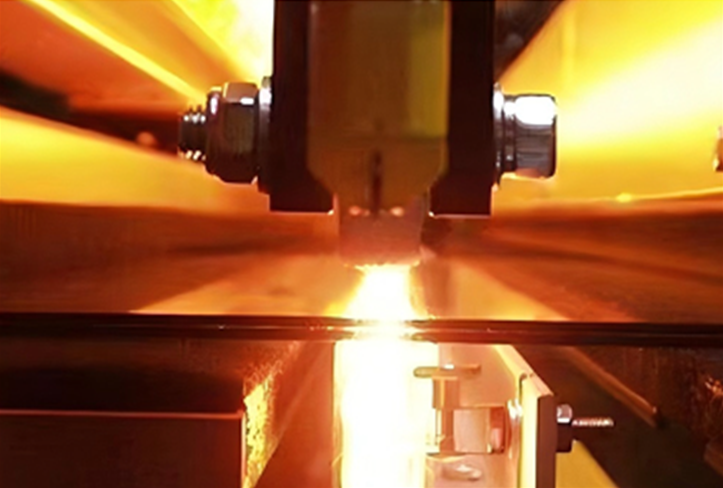
Standard infrared lamps are fine if you just need a general blast of heat. But when you’re deep in glass material research, “fine” doesn’t cut it. You need control. That’s why we build gold-coated shortwave IR lamps—they’re less about general heating and more about directing energy exactly where it needs to go. What’s the deal with the gold? We add a thin layer of gold to the quartz envelope. It sounds fancy, but the goal is simple: reflection. Instead of the heat scattering everywhere, the gold bounces that infrared radiation back toward the filament and pushes it forward. It stops your lamp housing from getting needlessly hot and puts all that energy right on your substrate. It basically turns a light bulb into a precision heat tool. It’s more than just the size of the tube Most shops will just ask you how long you want the lamp to be and call it a day. We do things a bit differently. We focus on power density distribution. By tweaking how the filament is wound and adjusting the voltage, we can control where those “hot spots” actually land on your glass. Need a concentrated blast in the center for localized melting? We can do that. Need a flat, even profile for annealing? Easy. If you’ve got a specific wattage per centimeter needed to trigger a chemical reaction in a new composite, just tell us the curve you’re looking for and we’ll build it. A quick heads-up on the trade-offs Here’s the thing: high power density is a bit of a double-edged sword. When you cram that much wattage into a small space, you’re playing with fire—literally. If your power supply has ripples, you risk burning out the filament. Just make sure your controllers are a good match for the lamp’s impedance so you don’t fry your gear. Why this actually matters in the lab The best part? You can test new glass formulas without having to fire up a massive, clunky furnace. You can ramp temperatures up and down in seconds. It’s fast. Really fast. And that changes everything for your workflow because you can iterate on material properties in a fraction of the time. You just wire it up, set your profile, and see exactly how your material handles intense, targeted thermal stress.