


Getting Your SWIR Tubes Actually In Sync
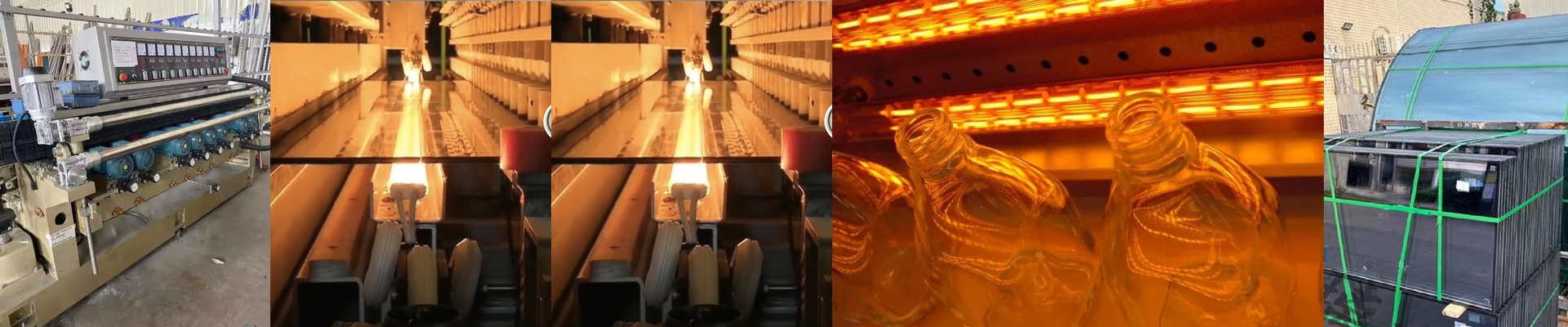
Most standard SWIR lamps just blast out a wide range of energy. If you’re working with glass, that’s usually a waste. Here’s why: glass additives are picky. They only want to absorb energy at very specific wavelengths. If your lamp is shouting in a frequency the glass can’t hear, that energy just bounces right off. You’re paying for power you aren’t using, and your cycle times are dragging.
Hitting the Sweet Spot
We can tweak the spectral output of our SWIR tubes so they hit those exact absorption peaks. It’s just basic physics. By messing with the filament materials or adding specific coatings to the quartz, we shift the wavelength. We move the energy to where the glass can actually grab it. The result? You stop scorching the surface while the core stays ice cold. Instead, you get a deep, steady heat soak that actually works.
The Trade-offs (Because nothing is free)
Now, there is a catch. When we narrow the emission band to hit one specific peak, you lose some of that total raw power you get from a wide-band lamp. You might notice the wattage looks lower on paper. To make up for that, you’ll probably need to add a few more tubes to your setup or crank up the power density per lamp. And please, keep an eye on your cooling. These high-density tubes put a lot of stress on the seals where the quartz meets the metal. If your airflow isn’t dialed in perfectly, you’re going to burn out the ends way too fast.
From the Lab to the Floor
If you’re still in the research phase, we can give you tubes with precise signatures to help you test out new glass formulas. Once you’ve found that “magic” peak, we can scale that exact spec for your full production line. These usually work as drop-in replacements for your existing arrays—just double-check that your power supply can handle the voltage and current the custom filament needs.