Getting the Heat Right for Glass R&D
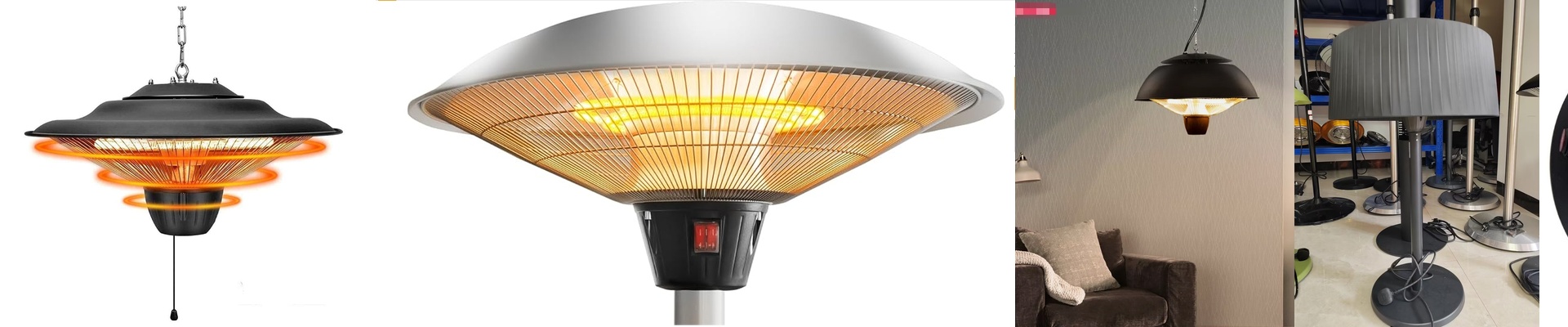
Most infrared lamps you buy off the shelf just blast heat evenly across the board. But if you’re working in glass R&D, “even” is usually the last thing you want. You need to know exactly where the energy is hitting your substrate. Whether you’re testing for thermal shock or hunting for a specific phase transition, you need control. That’s why we don’t just worry about how long the tube is—we focus on where the power actually goes.
The trick to power distribution
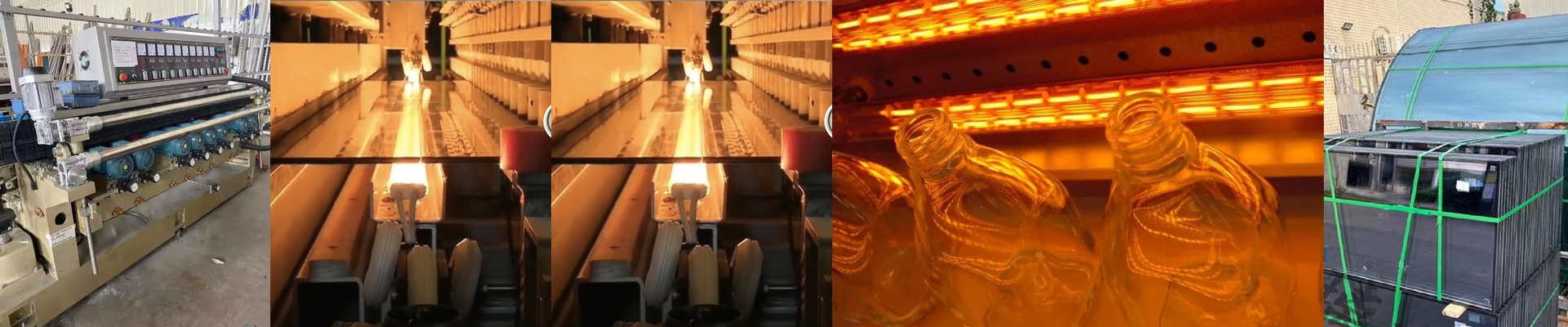
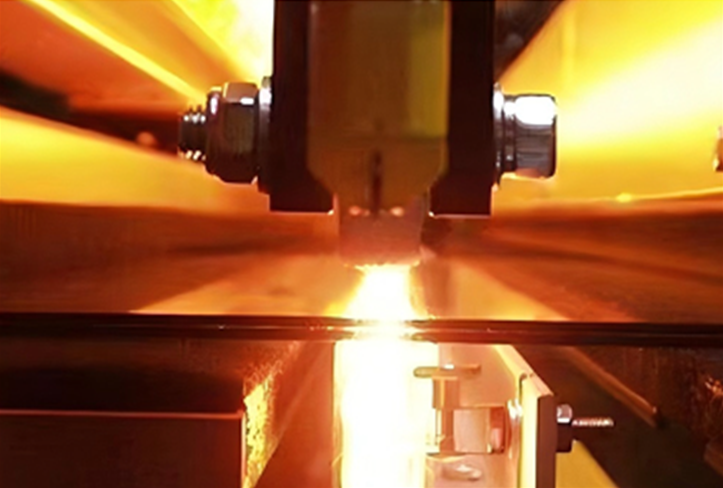
Boosting the wattage is the easy part. The real magic happens with the filament winding and the thickness of the quartz envelope. By tweaking the filament pitch, we can build “hot spots” or smooth gradients right into a single tube. It’s a huge time-saver. Instead of messing around with massive lamp arrays, you can simulate a complex thermal environment with one piece of gear. One heads-up, though: if you go for extreme power density in the center, those end-caps really feel the pressure. The temperature jump between the middle and the leads can put a lot of stress on the seal. We handle that by balancing the voltage so your filament doesn’t just burn out the moment you turn it on.
More than just a custom size
We do more than just cut glass to length. We actually tune the spectral output to match how your specific glass compound absorbs heat. If you need the heat to soak deep into the material, we go with shortwave IR. If you’re just looking to heat the surface, medium-wave is the way to go. And we make sure it fits your setup. Tell us your voltage and wattage requirements, and we’ll build it to match your existing power supply. It should just slide right into your current rig without any headache.
Real-world lab talk
In a lab, having “parameter freedom” basically means you can push your materials until they break. That’s where the real learning happens. High-density heating makes prototyping move a lot faster. Just a tip: keep an eye on your cooling setup. Radiant heat bleed is real, and if you aren’t careful, you’ll end up warping your fixtures. We provide the raw thermal muscle. You decide how to use it.