
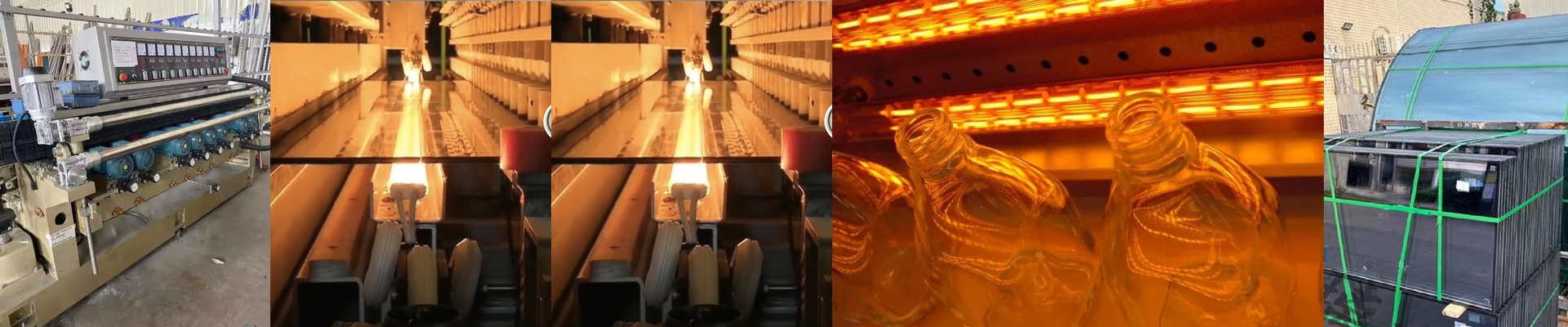


Stop Letting Out-of-Stock Parts Kill Your Production
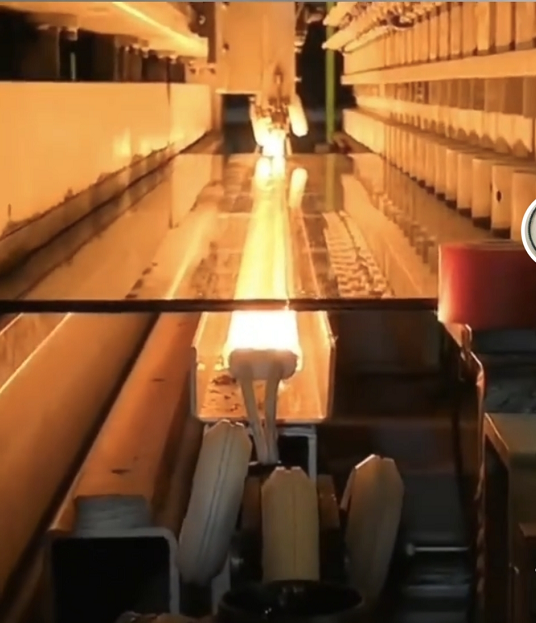
There’s nothing worse than a glass finishing line grinding to a halt because some OEM spare part is on backorder. You’re stuck staring at a dead machine while your deadlines creep up. It’s frustrating. That’s why we do things differently. We build drop-in replacement infrared lamps that match your original specs exactly. The best part? We get them to you in about 7 days. No more waiting weeks for a factory to ship a single tube.
Getting the Heat Right
Glass is finicky. If your thermal gradients are off, you get stress fractures, and suddenly you’re throwing away a whole batch of product. We don’t guess. We look at your voltage and wattage—whether you’re running 230V or 400V—and calculate the filament load so the heat density fits your machine’s footprint perfectly. If you’re running a high-throughput line, you probably want those high-wattage tubes for a fast ramp-up. Just a heads-up: make sure your wiring and power supply can handle that extra current. You don’t want things overheating before the glass even hits the lamp.
The Stuff We Use (And Why)
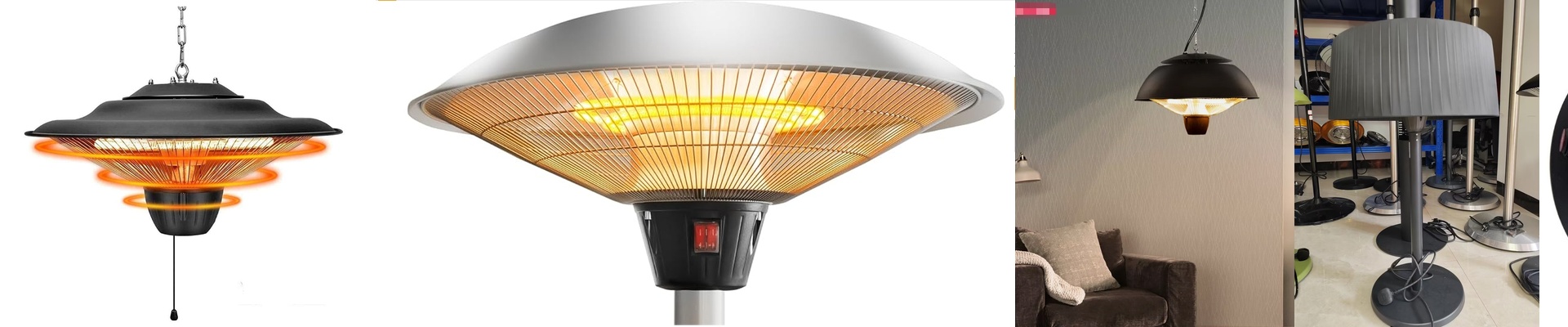
We stick with high-purity quartz glass. It handles the thermal shock of glass processing without cracking. Depending on what you’re actually making, we can give you shortwave emitters for deep heat penetration, or coated versions that bounce the heat right back onto the workpiece. Here is the thing: the connection point is usually where everything goes wrong. To keep it simple, we offer standard R7s or SK15 bases. They just slide right into your existing sockets. No hacking, no modifications. If you’ve got a custom setup with lead wires, we’ll weld them directly to the quartz tube. It kills the contact resistance and makes the whole thing more reliable.
Putting Them to Work
Switching these out is easy. You pull the burnt-out tube, pop the new one in, and you’re back in business. But a word of caution: if you try to squeeze more wattage into a shorter tube, you’re putting a lot more stress on the lamp ends. If you decide to push the power density past what the OEM suggested, go check your cooling fans. You don’t want your sockets melting into a puddle. We’ll give you the exact thermal output data, so you can just tweak your PLC timers and get moving.