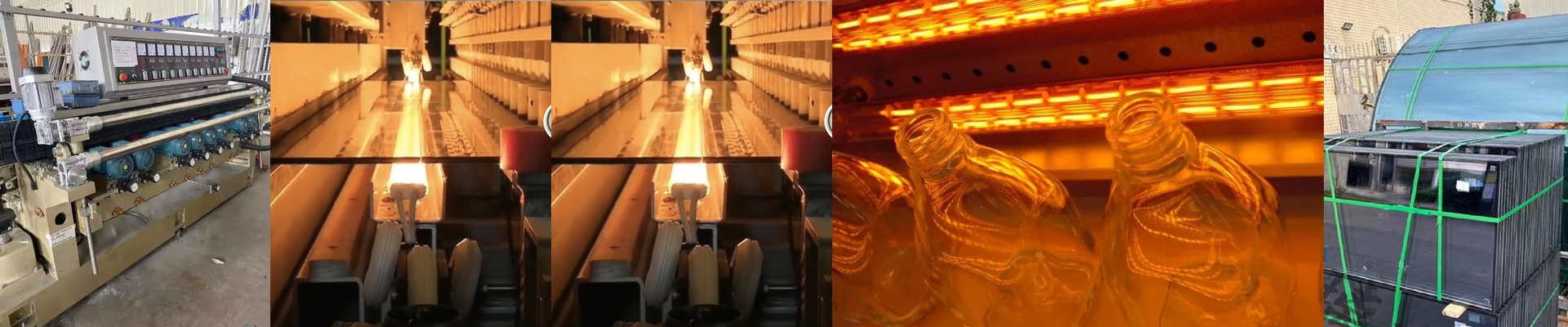
Stop Wrestling With Your Glass Sealing Lines
Buying a single glass tube sealing lamp is the easy part. Anyone can do that. But trying to actually fit it into a production line? That’s where things usually get messy. I’ve talked to plenty of engineers who have the spec sheet in one hand and a malfunctioning heating zone in the other, wondering why the two aren’t talking to each other. It’s a headache. That’s why we stopped just selling parts and started building pre-assembled heating modules. It takes the guesswork out of the equation and saves your team from hours of tedious floor labor. The problem with doing it piece-by-piece When you’re just dealing with one lamp, you only care about heat density. But the moment you scale up to a curved array or a multi-lamp setup, alignment becomes a nightmare. Here’s the thing: if that lamp is even slightly off-center in the reflector, you’re wasting heat. Instead of hitting the glass, the energy bleeds into the chassis. It’s inefficient and frustrating. We handle all that on our end. We do the bending, the mounting, and the wiring in our shop. You just get a module that drops right into your machine’s footprint. No fiddling required. Power, heat, and the risk of burnout Those high-wattage quartz lamps are great because they react fast—which is exactly what you need for sealing glass. But that power comes with a catch. All that heat puts a massive strain on your electrical terminals. If the wiring isn’t spot on, you’re looking at burn-outs at the contact points. We spend a lot of time spec-ing out the connectors to make sure they can actually handle the load. And a quick tip: watch your airflow. If the air doesn’t move around the lamp ends, the tubes will burn out way faster than they should. Less wiring, fewer headaches Think about the math. Wiring up ten individual lamps means ten different places where something can go wrong. It’s a lot of manual labor and a lot of room for human error. With a modular setup, we do the heavy lifting. You plug the module in, check your temperature profile, and you’re back in production. It’s faster. It’s cleaner. And most importantly, it means every machine in your shop works exactly the same way.