



How to stop your bathroom heater from becoming a hazard
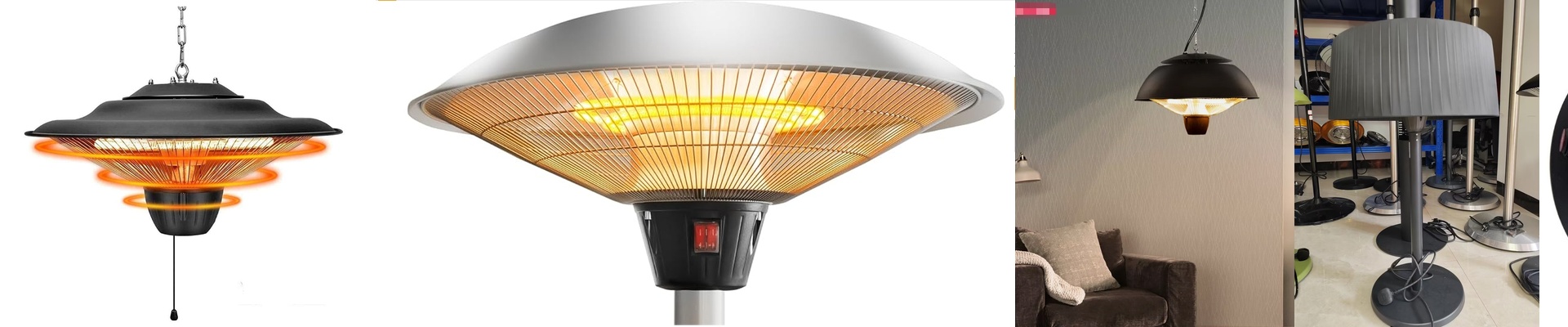
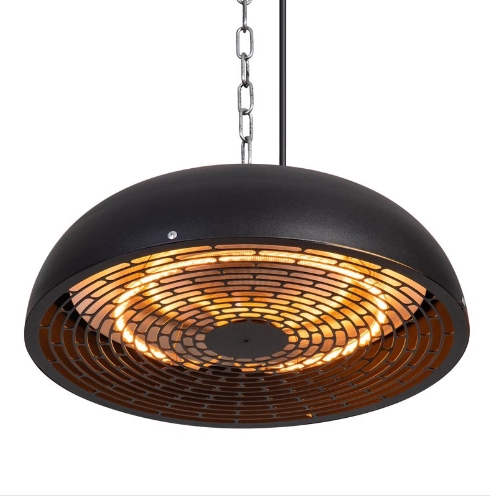
Let’s be honest: bathrooms are a nightmare for electronics. You’ve got steam everywhere, condensation dripping down the walls, and high-wattage heating elements all in one small space. If your lamp isn’t built for this, that moisture creates a literal bridge for electricity to travel where it shouldn’t. That’s how you end up with a short circuit or, worse, a nasty shock. To keep things safe, we focus on a few key areas. First, the glass. Standard quartz tubes are okay, but in a steamy bathroom, they can develop “surface tracking.” Basically, a thin film of water forms on the glass and the current decides to take a shortcut. We fix this by using high-purity fused quartz with a special dielectric coating. It boosts the surface resistance so the electricity stays put in the filament, even when the glass is fogged up and dripping. Then there’s the connection point. This is where most heaters give up the ghost. We use R7s or SK15 bases with reinforced ceramic insulators because ceramic doesn’t soak up water like a sponge. But we don’t stop there. We seal the spot where the wire meets the terminal with high-temp silicone or epoxy. This stops “wicking”—that annoying thing where moisture crawls up the inside of the wire insulation. If that seal fails, your lamp burns out or your GFCI trips, and suddenly you’re shivering in a cold bathroom. The balancing act: Heat vs. Safety. Everyone wants a heater that warms up instantly. A 250W shortwave lamp does that beautifully, but it puts a lot of stress on the materials. It gets hot. If your housing isn’t rated for that kind of heat, the plastic mounts will start to warp. Once they shift, your alignment goes off, and you might end up with live terminals exposed. It’s not a great look. Just make sure you’re using a dedicated ground and a housing with an IPX4 rating. Do that, and the power stays exactly where it belongs—inside the filament, keeping you warm.