


Why Your Glass is Cracking (And How to Stop It)
Ever had a piece of glass snap right in the middle of a run? It’s frustrating. Usually, it happens because the glass is fighting itself. When the surface cools down way faster than the core, you get this internal tension. In a fast-moving production line, that temperature gap is your biggest enemy. If your heaters can’t keep up with the speed of the line, you get cold spots. And that’s exactly where the stress piles up until—snap.
The secret is response time
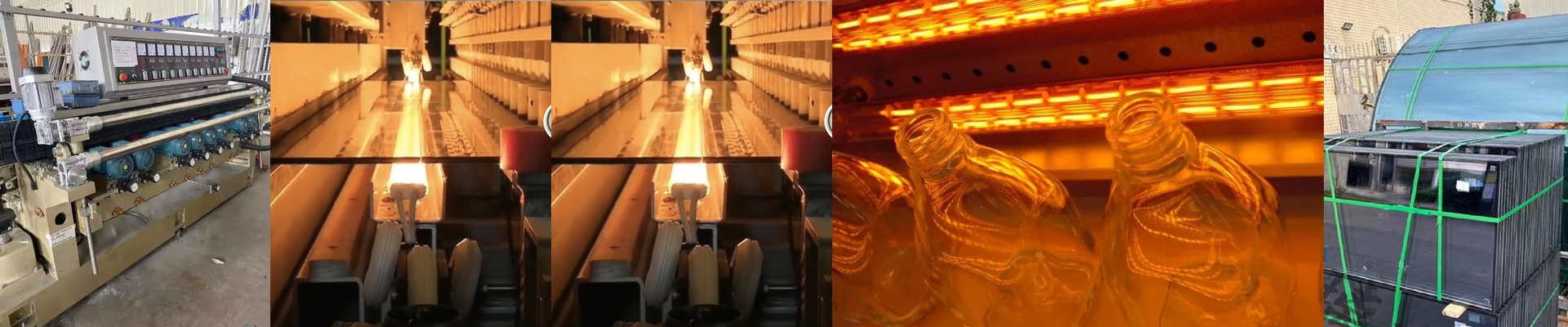
This is why we use shortwave IR lamps. Think about a standard convection oven. It has to heat the air, and then the air heats the glass. It’s slow. IR is different. It hits the glass with energy instantly. The real magic is how fast they react. The second your sensors pick up a temperature dip, these lamps jump to full power in milliseconds. You aren’t sitting around waiting for a heating element to “warm up.” You’re putting precise heat exactly where the glass is moving, right now. It keeps everything in a tight, safe temperature window.
Getting it into your line
To make this work on a continuous line, we use lamps that can handle a heavy heat load. The best way to set this up is with zoned controllers. This lets you tweak the power of individual lamps to smooth out the cooling curve. Instead of a jagged temperature drop, you get a nice, flat transition. One heads-up, though: these high-wattage arrays gethot. Really hot. Don’t skimp on your cooling fans or housing vents. If you let that heat soak into the lamp housing, you’re going to fry your wiring or kill your lamps way sooner than you should.
What this actually does for your day
When your heating reacts this fast, you can finally crank up the line speed without staring at the glass and praying it doesn’t break. It’s a simple swap that lets you ditch those massive, clunky lehrs in certain parts of your process. Your flow stays steady, your scrap pile shrinks, and you stop losing money to thermal shock.