

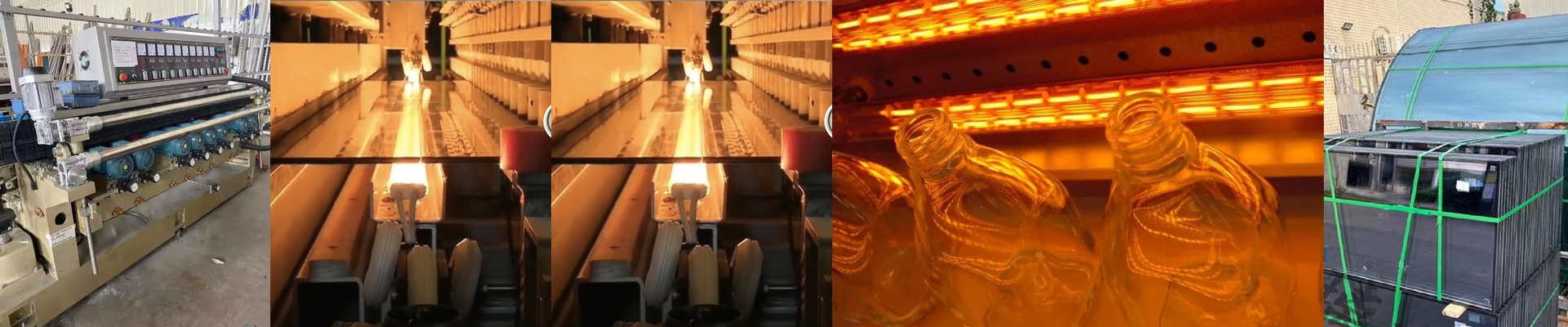


Getting Your Voltage Right in Glass Annealing
When you’re annealing spectacle glass, it’s all about the balance. You need those thermal gradients to be spot on to get rid of internal stress, but if you mess up, you’ll warp the lens geometry. It’s a delicate process. Here’s the thing: we build our infrared lamps for the real world. And the real world has messy power grids. You can’t just take a lamp built for a 110V US outlet and plug it into a 480V or 575V industrial line. If you do, you’ll blow the filament instantly.Pop. Gone.
Why the numbers actually matter on your floor
We don’t do one-size-fits-all. We customize the filament winding and the quartz envelope to match exactly what’s coming out of your wall. If you’re running a 110V lamp, you’re pulling more current to get the wattage you need. That puts a lot more strain on your wiring. But if you move up to 480V or 575V, the current draw drops. This is a lifesaver when you’re dealing with massive annealing ovens. Imagine wiring dozens of tubes across a single busbar—you don’t want that cabling getting overloaded. Plus, if your voltage is off by even 5%, your heat output shifts or your lamps start dying way too early.
The build and the trade-offs
We use high-purity quartz because it lets the IR transmission through without fighting it. We can also add different coatings to make sure the heat actually hits the glass where it needs to. But there’s a trade-off. Higher voltage means thinner cables and less power loss, which is great. But it also puts more pressure on your connector insulation. You’ve got to make sure your socket housings can actually handle the voltage you pick. Otherwise, you’re looking at arcing, and nobody wants that.
Making it work in your shop
Our lamps are designed to be drop-in replacements for most annealing tunnels. Since we match the wattage and voltage to your specific machine, you can skip those bulky, annoying step-down transformers. Just a heads-up: running 575V lamps creates some serious heat density. It’s intense. Make sure your cooling fans are up to the task, or you’ll end up frying your control electronics.