


Stop Just Replacing Your Glass Heating Lamps
Selling a lamp is the easy part. Anyone can ship a tube in a box. But getting the thermal profile actually right on a production line? That’s where things usually fall apart. I see it all the time. A lamp burns out, and an engineer just swaps it for the exact same part number. They don’t stop to ask why it died in the first place. That’s a mistake.
The trick to score line heating
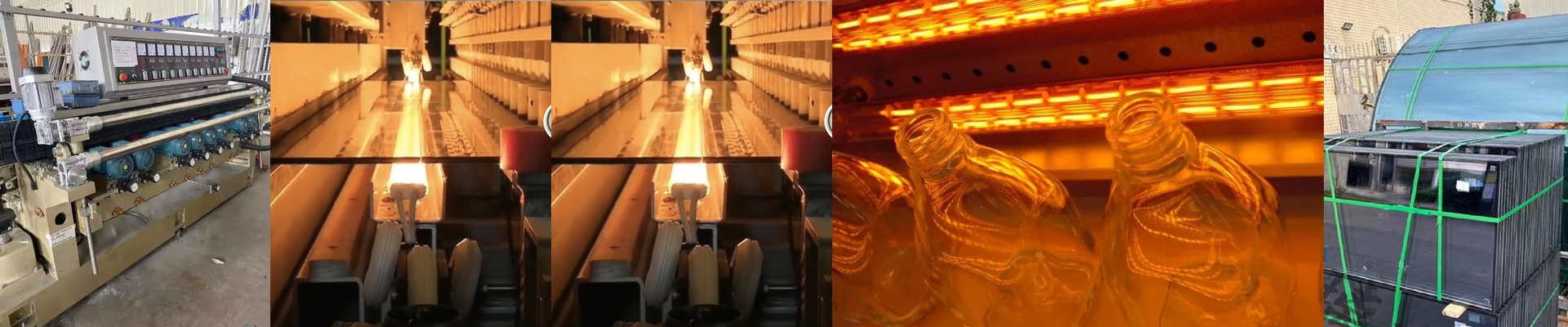
When you’re heating a score line, you’re playing a delicate game. You need to hit that cut line with enough energy to weaken the molecular bond, but you can’t stress the rest of the glass sheet. That’s why we lean on short-wave infrared. We use high-wattage quartz halogen lamps because they hit the target fast. Really fast. But here’s the thing: picking a lamp isn’t just about the length. You’re balancing voltage and wattage to get the heat density just right. If you go with a 230V versus a 400V setup, you’re changing how the filament spreads that heat. Sure, high-voltage tubes let you go longer without the voltage dropping off, but they’re tougher on your insulators.
The gear under the hood
We usually stick with R7s or Sk15 connectors. Not because they’re some “industry standard,” but because they don’t shake loose when the machines are humming and they’re a breeze to swap out. Then there’s the coating. If you see a coated quartz tube, it’s there to tweak the light. It bounces certain wavelengths back into the glass, which helps the glass soak up the heat more efficiently.
Why you need to look at the big picture
If you’re just dropping in a replacement lamp, you’re probably ignoring the real problem. If your lamps are popping every three months, the lamp isn’t the issue. It’s usually something else—maybe your PID tuning is off, or your cooling system is choking. High heat density is great for speed, but it’s a double-edged sword. It cranks up the temperature inside the lamp head. If your ventilation can’t handle the actual wattage you’re pushing, your sockets will start to char and your filaments will snap way too soon. Before you go out and buy a whole batch of new tubes, let’s actually look at the thermal footprint of your line. It’ll save you a lot of headaches (and money) in the long run.