Getting Low-E Glass Preheating Right (Especially When It’s Wide)
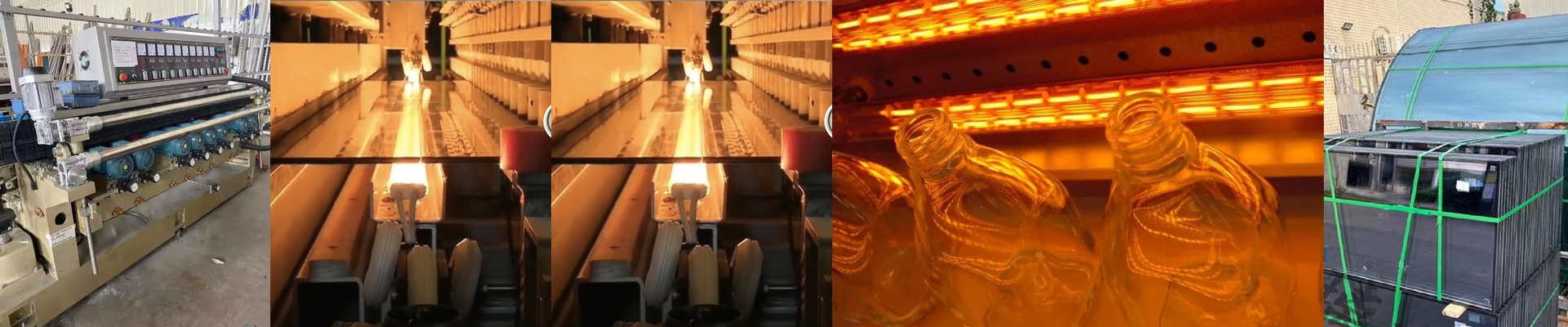
If you’re trying to preheat Low-E glass that’s wider than 3 meters, you quickly realize that standard, off-the-shelf lamps just don’t do the job. You end up with “cold spots”—those annoying patches where the heat isn’t hitting—and that’s where the trouble starts. That’s why we build custom infrared heating units. We focus on making sure the heat is dead-even across the entire piece of glass, no matter how wide it is. The struggle with 3-meter widths When you scale up to 3 meters, things get tricky. You have to deal with voltage drops and the way materials expand when they get hot. We don’t just line up a bunch of lamps and hope for the best. We carefully calculate the wattage and voltage so the center of the glass feels exactly the same as the edges. We use high-wattage quartz tubes to keep the energy flow steady. But you have to be careful. If you cram too many watts into one small area, you’ll bake the edges of the glass before the middle even warms up. It’s a balancing act. The gear that actually lasts We use heavy-wall quartz glass for the tungsten filaments. Why? Because it can take the shock of being turned on and off rapidly without cracking. For Low-E glass, we usually stick with short-wave or medium-wave emitters. This ensures the heat actually gets into the coating rather than just warming up the air around it. Then there’s the wiring. This is where most systems fall apart. We use industrial-grade connectors—mostly R7s or Sk15—so the lamps don’t wiggle loose when the machine starts vibrating. It’s a tight fit, which means a stable connection. The real-world trade-offs These long-run units are great for keeping your line moving fast. But there’s a catch. A 3-meter array puts out a massive amount of ambient heat. If your tunnel’s cooling system and exhaust fans aren’t up to the task, you’re going to fry your control electronics. It’s a messy way to break a machine. To keep things under control, we suggest using a PID controller. It lets you dial the power up or down based on how fast the glass is moving through the tunnel. Simple, effective, and it saves your hardware.