Stop Fighting Your Furnace: Custom IR Heaters for Tight Spaces
Let’s be honest: standard heating lamps are great until you’re actually trying to use them in a furnace that wasn’t built for them. In glass bending, you need a very specific temperature curve. If your furnace is cramped or shaped like something out of a puzzle, off-the-shelf lamps just don’t cut it. You end up with cold spots, and that’s where the trouble starts. We fix that by building infrared tubes that actually fit your specific layout—down to the inch.
Getting the heat exactly where it belongs
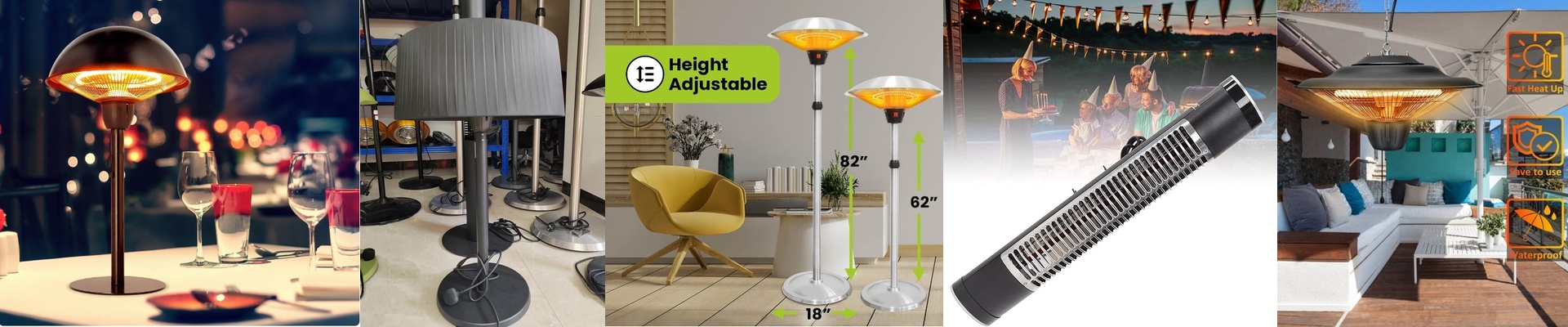
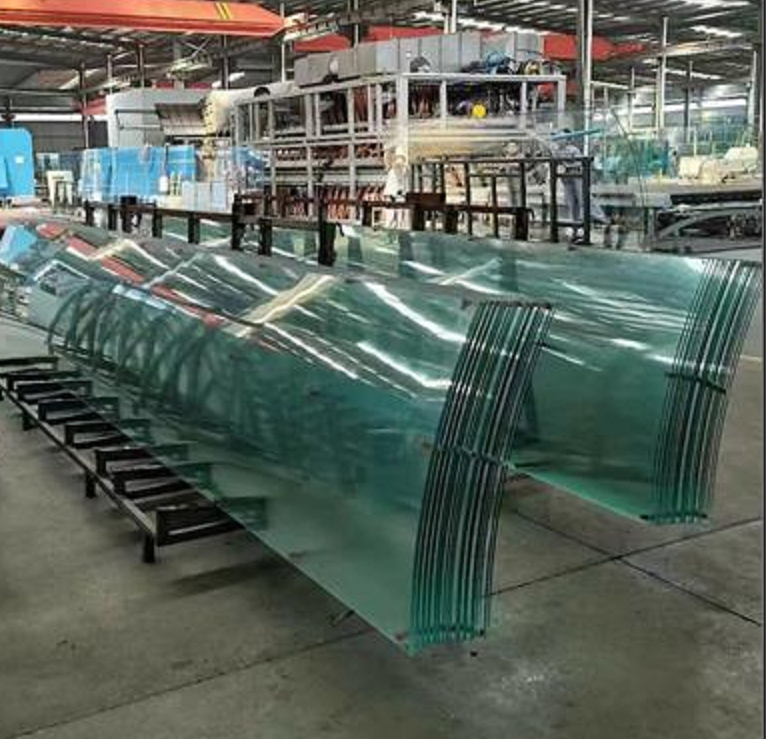
When we design a lamp for you, we’re looking at one thing: wattage-per-centimeter. To get glass to its softening point quickly, you need high-intensity short-wave or medium-wave radiation. But if the lamp is the wrong size, you’re stuck using bulky reflectors or weird spacing that eats up all your room. **Here’s the trick:**we can adjust the tube length to match your heating zone perfectly. And if your footprint is really tight? We can actually bend the quartz tubes. This means the heat source follows the curve of the glass or tucks into those narrow corners where a straight lamp would never fit.
The nitty-gritty on materials
We use high-purity quartz because it can take a beating. These tubes handle intense thermal shock and high-temp cycles without cracking under pressure. Plus, we handle the wiring. We use connectors that match what you already have, so you can just swap the old lamp out for the new one without having to tear apart your entire control panel. One thing to keep in mind, though: when you cram more wattage into a shorter tube, things get hot. Fast. You’ll want to make sure your cooling fans and vents are up to the task. If they aren’t, that ambient heat can fry your wiring, and nobody wants to deal with that.
Why this actually matters for your shop
When you stop guessing where the heat is going, everything gets easier. You get a uniform temperature across the whole piece of glass. No surprises. This means less internal stress in the material and—more importantly—way less scrap hitting the bin. You just get the heat exactly where the bend happens. Simple as that.